

KEY POINTS
- Historic Madrid bodegas are navigating a delicate balance between preserving centuries-old traditions and catering to a new wave of international tourism.
- The aesthetic of “dust and vermouth” remains a core cultural identifier for the Spanish capital, despite the encroachment of modern, sterile gastro-pubs.
- Local advocates and savvy travelers are increasingly prioritizing neighborhood authenticity over polished, commercialized hospitality experiences in 2026.
Madrid’s soul isn’t found in its grand palaces or modern stadiums, but within the dim, narrow aisles of its historic neighborhood bodegas. As the Spanish capital experiences a massive tourism resurgence in early 2026, these traditional wine shops—now social hubs—stand as the final line of defense against globalized urban homogenization. For the international traveler arriving in Spain this year, the search for an “untouched” bar has become the ultimate quest in a city rapidly reinventing itself.
What You Need to Know
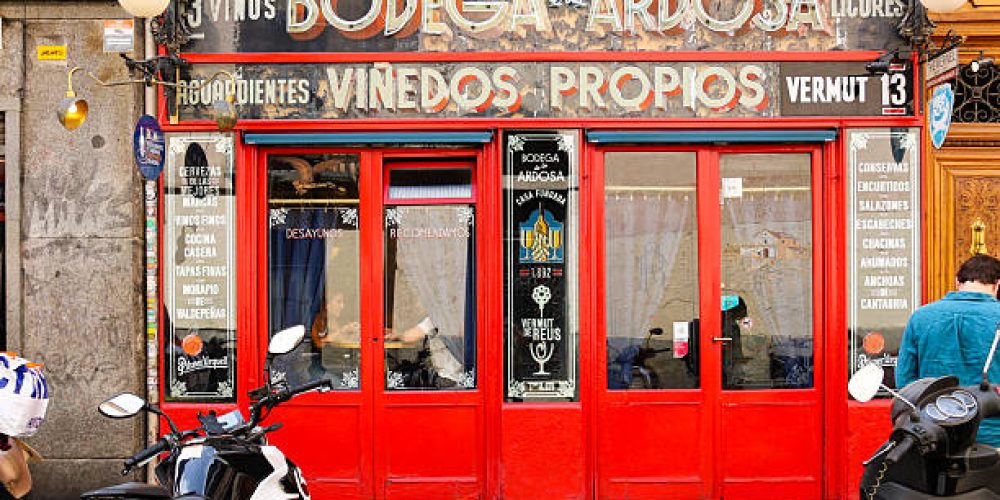
Historically, a “bodega” was a functional space—a cellar or wine shop where local residents filled their glass jugs directly from heavy wooden barrels. Over the decades, these spaces transitioned into the neighborhood’s “third space,” a living room away from home. They are defined by a very specific, unpretentious atmosphere: zink-topped bars, dusty bottles of vintage sherry lining high shelves, and the rhythmic sound of a vermouth tap. In Madrid, the ritual of the aperitivo—a mid-day drink accompanied by a salty snack—is centered entirely around these establishments.
However, the landscape of European travel is shifting. Travelers from the United States, Ireland, and Sweden are increasingly moving away from “curated” museum-style tourism. Instead, they are seeking “slow travel” experiences that offer a palpable sense of local history and grit. In Madrid, this has sparked a feverish hunt for the perfect, un-spoiled bodega. The irony, of course, is that the very popularity of these “secret” spots often invites the investment and rent hikes that eventually destroy their character.
The tension between commercial viability and cultural preservation has never been higher than it is right now. While some legendary spots have been revitalized with sensitivity, others have been replaced by generic boutiques. The result is a city in the midst of a cultural tug-of-war, where the value of a centuries-old dusty bottle is weighed against the profit margins of a modern coffee chain.
Madrid’s Traditional Bodega Bars and the Cult of Authenticity
The search for the “perfect” bodega usually begins in neighborhoods like Chamberí or the winding streets of La Latina. Here, establishments represent the gold standard of Spanish hospitality. These spaces are often so cramped that patrons find themselves pressed against the very barrels that hold the house wine, creating an forced intimacy that is central to the Madrid social experience. It is a sensory journey defined by the smell of aged oak and the sight of gildas—the classic skewer of olives, peppers, and anchovies—stacked high on the bar.
The timeline of this cultural preservation movement hit a critical point over the last two years. Local governments in Madrid have begun discussing protected status for “heritage establishments,” a move designed to prevent the “Disney-fication” of the city center. For Madrid, the bodega is not just a place to consume alcohol; it is an architectural and social anchor. When a century-old bar closes, it isn’t just an economic shift—it’s the erasure of a neighborhood’s collective memory and a loss of the city’s unique “patina.”
Modern entrepreneurs in 2026 are attempting to bridge this gap by opening “new-old” bodegas. These venues utilize reclaimed wood, vintage porcelain taps, and traditional tiling to recreate the atmosphere of the 19th century. While purists remain skeptical of these “manufactured” dive bars, they often serve as a vital gateway for younger residents and expatriates to learn the etiquette of the Spanish tavern. The defining question for the city’s hospitality sector remains whether these newcomers can eventually develop the soul of their predecessors.
Furthermore, the physical constraints of these historic buildings—often featuring low ceilings and original brickwork—make them difficult to modernize without losing their essence. This physical limitation has inadvertently acted as a shield against large-scale corporate takeovers. A true bodega cannot be scaled; it cannot be turned into a franchise without losing the very “neglect” that makes it appealing to the modern traveler seeking an escape from the polished surfaces of 21st-century life.
What This Means for Americans
For the American traveler, the stakes of the Madrid bodega crisis extend beyond finding a good glass of wine. As the “digital nomad” lifestyle matures and more Americans spend extended periods in European capitals, the loss of these community spaces means fewer opportunities for meaningful cultural integration. In a world increasingly dominated by international luxury chains and standardized service, the bodega offers a rare opportunity to observe a lifestyle that prioritizes community and conversation over convenience and speed.
This trend also mirrors the “revitalization versus gentrification” debates currently happening in major U.S. hubs like New Orleans, Brooklyn, or Savannah. By observing the evolution of Madrid’s bars, American travelers and urban planners can gain insight into how to preserve their own local landmarks. The desire for a “perfect” bodega is a reflection of a global hunger for something tangible in an increasingly digital world. Understanding these Spanish social hubs provides a template for how we might value the “uncensored” history of our own neighborhood dives and corner stores back home.
NCN Analysis
The survival of the traditional Madrid bodega will likely depend on a new “hybrid” model of patronage. While some locals might groan at the sight of a tourist taking a smartphone photo of their vermouth, it is often the international traveler’s willingness to pay a premium for “authenticity” that keeps these businesses afloat. Over the next three years, we expect to see a surge in “heritage taxes” or specialized tax breaks designed to protect establishments that have been in continuous operation for over a century.
Readers should watch for the rise of “Tier 2” neighborhoods in Madrid. As central districts like Malasaña become prohibitively expensive and overly polished, the true “perfect” bodega experience will migrate outward to districts like Carabanchel or Tetuán. For the savvy traveler, these outer-ring neighborhoods represent the future of Madrid’s cultural authenticity. The challenge for the city will be ensuring that “authenticity” doesn’t become just another marketing buzzword, stripped of the beautiful grit that made it appealing in the first place.
Madrid’s future as a premier global destination may well depend on its ability to keep the vermouth flowing in the dusty, quiet corners of its past.
Reported by the NCN Editorial Team









