

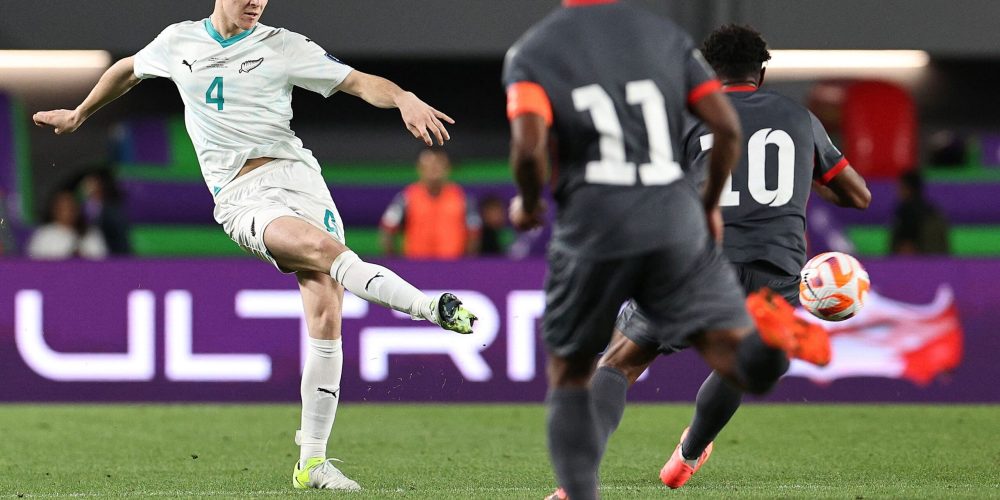
KEY POINTS
- New Zealand center-back Nando Pijnaker faces a race against time for the 2026 World Cup after sustaining a significant shoulder injury during club play.
- The defender was forced off the pitch during Sligo Rovers’ recent fixture, with initial medical assessments suggesting a multi-month recovery period.
- All Whites manager Darren Bazeley now faces a defensive crisis as he prepares to finalize his squad for the tournament’s opening stages.
New Zealand’s defensive stability has been rocked by the news that cornerstone center-back Nando Pijnaker is a major doubt for the upcoming FIFA World Cup following a severe shoulder blow. The 27-year-old, who has become an indispensable figure for the All Whites, suffered the injury while competing for his Irish club, Sligo Rovers, in a blow that could resonate across the international stage. For soccer fans in the United States—who are preparing to host the world’s biggest sporting event—the potential absence of such a key physical presence in the Kiwi backline alters the competitive outlook of their group.
What You Need to Know
The timing of this injury could hardly be more devastating for both the player and his national team. Nando Pijnaker has spent the last two years cementing his reputation as one of the most reliable defenders in the League of Ireland, using his height and tactical discipline to anchor a Sligo Rovers side that often punches above its weight. His performances in Europe had given New Zealand fans hope that the All Whites could provide a stern defensive challenge to the world’s elite during the 2026 tournament.
New Zealand’s journey to the World Cup has been a narrative of steady improvement under the guidance of Darren Bazeley. Unlike previous cycles where the team relied on a few aging stars, the current squad is built on a foundation of cohesive, disciplined defending, with Pijnaker serving as the vocal leader of the back three. His ability to organize the defense and his prowess in aerial duels are qualities that the All Whites lack in abundance among their reserve ranks.
Shoulder injuries in professional soccer are notoriously tricky, often requiring surgical intervention if the ligaments are severely damaged or if there is a risk of recurrent dislocation. For a center-back, the shoulder is not merely a joint but a tool for leverage during set pieces and physical duels with strikers. A premature return to the pitch could lead to long-term instability, yet the proximity of the World Cup kickoff creates a high-pressure environment for the player’s rehabilitation team.
The Race Against Time for the New Zealand Defender
The incident occurred mid-way through a crucial domestic fixture for Sligo Rovers, where Pijnaker landed awkwardly following a contested header. The immediate reaction from the medical staff suggested that this was not a minor tweak; the player was visibly in distress and required significant assistance to leave the field. Early reports from the club indicate that while the bone remained intact, the soft tissue damage is extensive enough to necessitate a period of total immobilization before physical therapy can even begin.
This Nando Pijnaker World Cup scare leaves the New Zealand coaching staff in a state of logistical limbo. Bazeley is expected to name his preliminary squad shortly, and the decision on whether to include a player who may not be match-fit until the group stages begin is a gamble that could backfire. The All Whites’ medical team is reportedly in constant communication with Sligo Rovers to determine if a specialized, accelerated recovery program is feasible without risking the defender’s long-term career.
In the wake of the injury, speculation has turned to who might fill the void left by the towering defender. New Zealand’s depth in the center-half position is relatively thin, with few players possessing Pijnaker’s blend of international experience and domestic form. The coaching staff may be forced to look toward the A-League or younger prospects in the American collegiate system to find a replacement who can replicate the physical presence required at a World Cup level.
The timeline is particularly tight given the mandatory pre-tournament training camps and friendlies scheduled for late May. To be considered for selection, Pijnaker would likely need to demonstrate full range of motion and a return to contact training within the next six to eight weeks. For a shoulder injury of this magnitude, such a turnaround is optimistic at best, bordering on the miraculous.
Why This Matters for Americans
For American soccer enthusiasts and the local organizing committees across the United States, the health of international stars like Pijnaker is a matter of significant interest. As the primary host nation for the 2026 World Cup, the U.S. has invested billions in ensuring a premium experience for fans and a high level of competition on the field. When key players from qualifying nations are sidelined, it can dilute the quality of the group stages and impact the ticket demand for specific matchups involving the All Whites.
Beyond the tournament’s logistics, Pijnaker’s situation resonates with the American sports medicine community. The U.S. is home to some of the world’s leading orthopedic facilities, and it is not uncommon for international players to seek “second opinions” or specialized surgery in cities like Vail or New York. This injury highlights the global nature of sports healthcare and the immense pressure placed on medical professionals to return elite athletes to peak performance ahead of global events.
NCN Analysis
The potential loss of Nando Pijnaker is a catastrophic blow to New Zealand’s tactical identity. At NextClickNews, we believe that Bazeley’s system is so reliant on Pijnaker’s leadership that his absence might force a complete shift in formation. Without his aerial dominance, the All Whites may have to adopt a much deeper, more reactive defensive line, which could prove disastrous against high-pressing teams.
Readers should watch for updates from Sligo Rovers over the next fortnight. If the club announces that Pijnaker requires surgery, his World Cup dreams are almost certainly over. However, if they opt for conservative management, it suggests there is a slim window of hope. The emotional toll on the New Zealand squad cannot be understated; Pijnaker is a popular figure in the dressing room, and his struggle to get fit will likely be a major storyline for the team as they touch down on American soil this summer.
The resilience of the human body will now be tested against the immovable deadline of the world’s greatest sporting stage.
Reported by the NCN Editorial Team









