

Key Points:
- Weight-loss drug prices may change in 2026 as new oral GLP-1 medications approach approval.
- Insurance coverage, government negotiation, and competition will strongly influence patient costs.
- Demand remains high, but access gaps persist due to pricing and limited coverage policies.
Weight-loss medications remain one of the most closely watched healthcare markets heading into 2026. Injectable GLP-1 drugs transformed obesity treatment, but their high prices placed them out of reach for many patients. As new oral versions and policy changes approach, experts expect meaningful shifts in pricing, access, and competition across the United States.
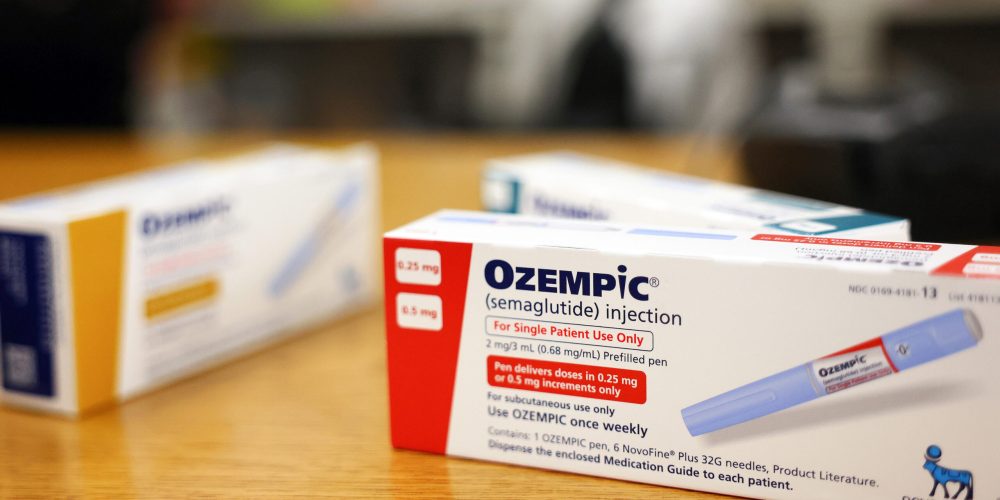
Currently available GLP-1 injections often cost more than $1,000 per month without insurance coverage. Many health plans still restrict coverage, especially for weight loss without diabetes. Patients frequently pay full price or rely on manufacturer coupons. This pricing model has sparked debate about fairness, affordability, and long-term sustainability within the healthcare system.
Pharmaceutical companies now race to develop pill-based GLP-1 treatments. These oral medications promise easier use and broader appeal. Industry analysts believe pills could expand the market significantly. However, they caution that convenience alone will not guarantee affordability. Drug makers may still set premium prices unless competition or regulation applies pressure.
Federal policy could also shape the pricing landscape. The Trump administration’s revived focus on prescription drug costs includes proposals to accelerate approvals and encourage market competition. While officials signal interest in lower prices, experts note that sweeping reductions require structural changes, including stronger negotiation power for public programs and private insurers.
Medicare currently does not cover weight-loss drugs for obesity alone, limiting access for older adults. Lawmakers continue debating whether to expand coverage. If Medicare coverage changes, it could dramatically influence pricing nationwide. Broader coverage would increase demand but also pressure manufacturers to justify costs more transparently.
Employers and private insurers face growing pressure from workers seeking coverage for these medications. Some companies now offer limited access as a workplace benefit. Others remain hesitant due to high costs and long-term budget concerns. This uneven coverage creates disparities, especially for lower-income patients seeking effective obesity treatment.
Generic competition remains limited for now. Most GLP-1 drugs retain patent protection well into the next decade. Without generics, pricing power stays concentrated among a few manufacturers. Analysts suggest that meaningful price drops may require either regulatory intervention or breakthrough competitors offering similar benefits at lower cost.
Experts emphasize that patient expectations must remain realistic. Even if prices fall slightly in 2026, these drugs will likely remain expensive. Lifestyle support, nutrition counseling, and preventive care continue to play critical roles. Physicians stress that medication access should align with long-term health strategies, not quick fixes.
As the market evolves, patients are encouraged to monitor coverage updates and discuss options with healthcare providers. Advocacy groups continue pushing for broader insurance coverage and clearer pricing structures. The next two years may not solve affordability entirely, but they could mark the beginning of a more competitive and transparent era for weight-loss treatment.









