

Key Points:
- Thailand enforces daily and holiday alcohol sales bans nationwide
- Tourists often encounter confusion but authorities stress cultural respect
- Industry groups debate whether rules should ease in tourist areas
Thailand’s strict alcohol sales rules are drawing renewed attention from international travelers, especially as tourism rebounds strongly in 2025. The country enforces nationwide bans on alcohol sales during specific hours and religious holidays, a policy that often surprises visitors unfamiliar with local regulations. Officials say the rules aim to promote public safety and respect cultural traditions.
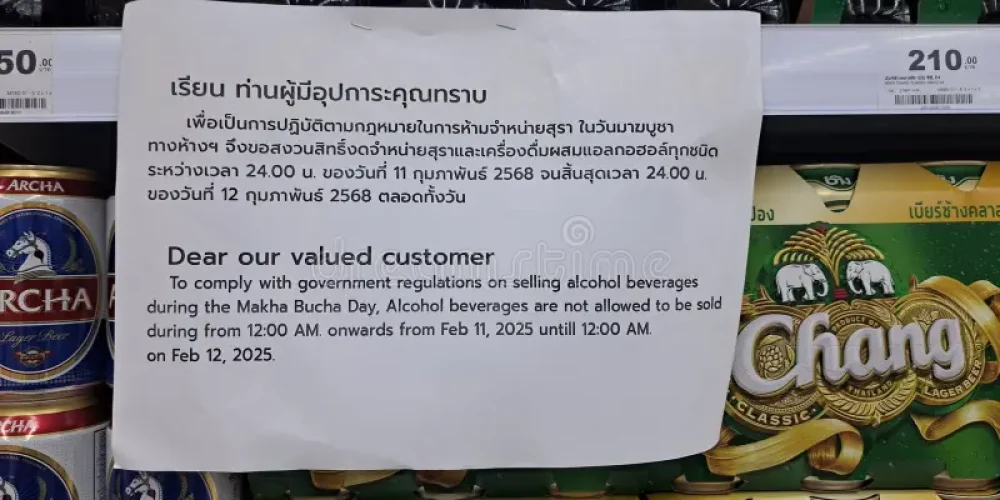
Under current law, alcohol sales remain prohibited between 2pm and 5pm daily. Additional bans apply on Buddhist holy days and during national elections. These restrictions affect convenience stores, supermarkets, restaurants, and bars. While hotels may offer limited exemptions, most public venues must follow the same nationwide schedule.
For tourists, the rules can feel confusing. Many visitors expect alcohol availability throughout the day, especially in popular destinations like Bangkok, Phuket, and Pattaya. Travelers often discover the ban when shop staff refuse sales, even in busy tourist areas. Tourism authorities encourage visitors to plan ahead and respect local customs.
Thai officials stress that the policy reflects cultural values rather than tourism concerns. Alcohol restrictions align with Buddhist principles that discourage excessive drinking. Authorities argue the rules help reduce accidents, improve public order, and limit alcohol-related harm, especially during peak traffic hours and religious observances.
The hospitality industry has mixed views. Large hotels and resorts often adapt by informing guests and offering alcohol during permitted hours. Smaller bars and restaurants, however, say the rules limit revenue during high-demand periods. Business groups argue that tourists expect flexibility, particularly in major tourist zones.
Calls for reform surface regularly, but progress remains slow. Some lawmakers and tourism leaders propose relaxing restrictions in designated tourist areas. Others suggest modernizing the policy to reflect Thailand’s evolving tourism economy. However, public health advocates caution against changes that could increase alcohol-related risks.
The debate gained momentum as Thailand welcomed millions of visitors following pandemic-era travel disruptions. Tourism plays a vital role in the national economy, supporting jobs across hospitality, transport, and retail. Industry leaders warn that confusing alcohol rules could harm visitor satisfaction, even if overall arrivals remain strong.
Despite complaints, many travelers adapt quickly. Travel guides and hotel staff increasingly explain the restrictions upfront. Some tourists view the policy as part of Thailand’s cultural experience rather than an inconvenience. Social media discussions show mixed reactions, ranging from frustration to acceptance.
Authorities continue to emphasize enforcement consistency. Police and regulators monitor compliance closely, particularly on religious holidays when violations can result in fines or license suspensions. Officials advise visitors to check local calendars, as Buddhist holidays vary and may not align with Western observances.
As Thailand balances cultural preservation with tourism growth, alcohol regulations remain a visible example of that tension. While change appears unlikely soon, clearer communication may reduce confusion. For now, travelers are encouraged to respect the rules and plan their activities accordingly.









