

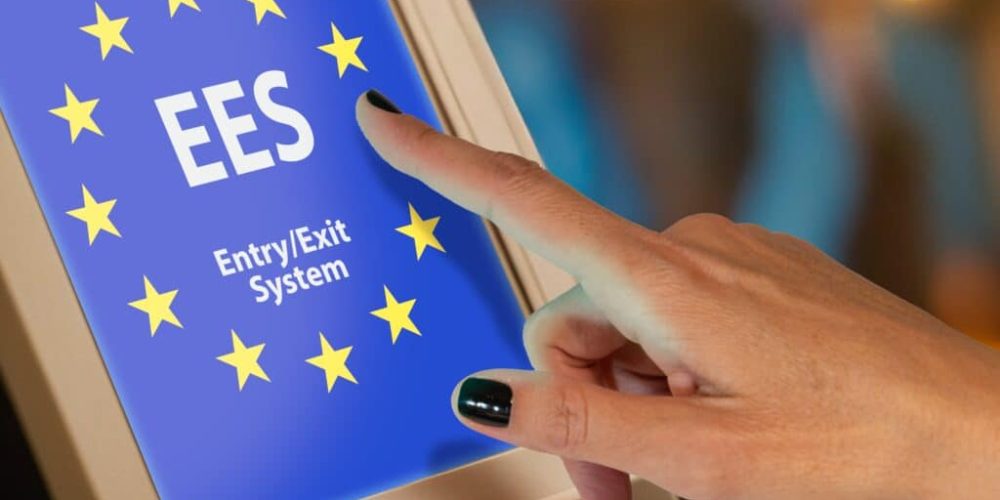
Key Takeaways:
- The EU Entry/Exit System will replace passport stamping with digital biometric border checks
- Non-EU travelers will provide fingerprints and facial images on first entry
- Longer border waits are likely during early rollout, especially at busy travel hubs
The European Union is preparing to roll out a major change to how non-EU travelers enter and exit the bloc. The new Entry/Exit System, known as EES, will replace the traditional passport stamping process with a digital system designed to track border crossings more accurately. Officials say the change aims to improve security and streamline border management.
The system will apply to travelers from countries outside the EU and Schengen Area who enter for short stays. This includes tourists and business visitors who can normally stay up to 90 days within a 180-day period. Instead of receiving physical stamps, travelers will have their personal and travel data recorded electronically at border points.
Under the new system, border officers will collect biometric information during a traveler’s first entry. This includes fingerprints and a facial image. The system will also record the traveler’s name, passport details, date of entry, and date of exit. These records will remain stored digitally and update automatically with each crossing.
EU officials say the main goal is to better identify overstays and reduce irregular migration. The system will allow border authorities to instantly see how long a traveler has remained in the Schengen Area. This replaces the current manual method, which relies on passport stamps that can be missed or misread.
Travelers should expect longer processing times at borders during the early stages of implementation. First-time users will need extra time for biometric registration. Airports, ferry terminals, and land borders may experience queues, especially during peak travel periods. Authorities are advising travelers to arrive earlier and prepare for possible delays.
The Entry/Exit System also connects with other EU security databases. Officials say this integration will help identify individuals who may pose security risks or attempt to use false identities. By sharing information across member states, authorities aim to strengthen border security while maintaining free movement within the Schengen Area.
Importantly, the new system does not change visa rules or entry requirements. Travelers who currently do not need a visa will still be able to enter without one. However, overstaying permitted time limits could become easier to detect, leading to fines, entry bans, or future travel restrictions.
The EES will work alongside another upcoming system, the European Travel Information and Authorization System, or ETIAS. While EES records border movements, ETIAS will require visa-free travelers to obtain pre-travel authorization before arriving. Together, the systems mark a significant shift toward digital border controls.
Airlines and travel operators are preparing for the changes by updating passenger information systems. Some carriers may ask travelers to provide additional details before boarding. Travel experts recommend checking official EU guidance and airline updates before departure to avoid surprises at the border.
EU officials acknowledge concerns about privacy and data protection. They say strict safeguards will apply, with limited access and defined data retention periods. Personal data will only be used for border management, law enforcement, and security purposes under EU regulations.
As implementation approaches, travelers heading to Europe should stay informed. Understanding the new entry process can help reduce stress, avoid delays, and ensure smoother journeys across EU borders in the digital era.









