

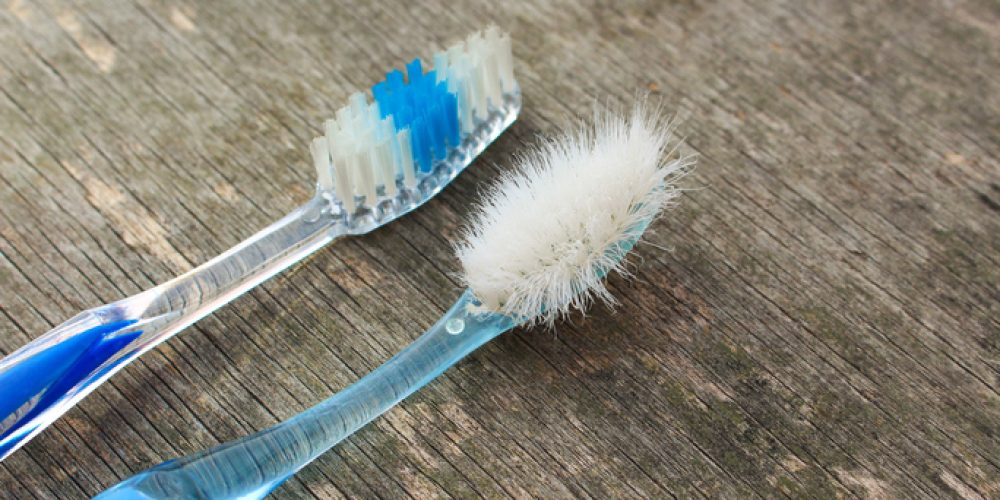
Your toothbrush is home to millions of microbes. Scientists say 1–12 million bacteria, fungi and viruses can live between the bristles at any time. Most come from your own mouth — swept up along with saliva, food traces and skin cells each time you brush.
But not all of them are friendly.
Researchers have found tooth-decay bacteria, gum-disease microbes and even E. coli and Hospital-grade pathogens like Klebsiella pneumoniae on toothbrushes. These can come from bathroom air, your hands or rinsing water.
The “Toilet Plume” Problem
Every flush can fire a mist of droplets up to 1.5 metres into the air, carrying viruses and faecal bacteria. Those droplets can land on nearby brushes — especially in shared bathrooms. However, experts say the infection risk is still low for healthy people.
Viruses Can Survive for Hours
Studies show viruses such as cold sore virus (HSV-1), flu and coronaviruses can survive on bristles for hours — even 48 hours in some cases. Public-health agencies advise never sharing toothbrushes and avoiding brushes touching when stored together.
The Real Risk: Immune-Compromised Users
For most people, the danger is small. But for people with weak immune systems, contaminated toothbrushes could cause infections — and some microbes found on brushes carry antibiotic-resistance genes, making them harder to treat.
How to Keep Your Toothbrush Safer
Experts suggest simple habits rather than expensive gadgets:
- Let it air-dry upright — drying kills many viruses
- Do not cover the head — closed containers trap moisture
- Keep it away from toilets or close the lid before you flush
- Rinse and tap off water after use
- Disinfect occasionally with mouthwash (chlorhexidine / CPC) for 5–10 minutes
- Replace every 3 months, or sooner if bristles are frayed
Microwaving or UV devices work in labs but can damage bristles or offer little benefit at home.
Bottom Line
Your toothbrush will never be sterile — and it doesn’t need to be. For most people, regular brushing with good drying and occasional disinfection keeps the risk low. But if you are immune-suppressed or share bathrooms, better hygiene and spacing can make a real difference.









