

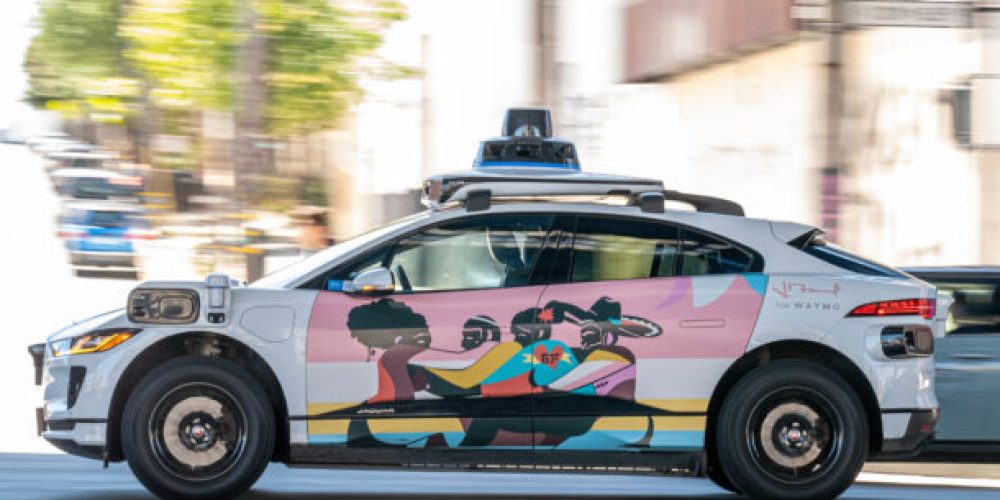
A major power outage in San Francisco over the weekend briefly paralyzed a key part of the city’s transportation network, highlighting limits in current autonomous vehicle technology. Widespread electrical failures knocked out traffic signals and other critical infrastructure, leaving hundreds of Waymo robotaxis stalled in streets and intersections and prompting the company to suspend its driverless ride-hailing service.
The blackout, which affected more than 130,000 Pacific Gas and Electric customers, began Saturday afternoon and stemmed from a fire at a PG&E substation. In addition to plunging large swaths of the city into darkness, the outage disabled traffic lights and disrupted public transport, creating chaotic conditions on urban roads.
For Waymo, the infrastructure breakdown quickly translated into operational difficulties. Videos circulating on social media showed multiple autonomous vehicles stopped at darkened intersections, unable to proceed due to the absence of functioning traffic controls. Some cars remained motionless for extended periods, contributing to gridlock as human drivers maneuvered around them.
Waymo relies on a combination of high-definition maps, sensors, and networked data to guide its vehicles safely through complex urban environments. The company’s systems are programmed to treat non-working traffic lights as four-way stops, but the sheer scale of the blackout presented a scenario that exceeded those built-in contingencies. Rather than risk unsafe behavior, many of the robotaxis defaulted to a stop, which in turn interfered with traffic flow.
In response, Waymo issued a temporary suspension of its SF Bay Area service late Saturday, citing safety concerns and the need to give emergency responders unimpeded access to the roads. A spokesperson said the company was closely coordinating with local officials and monitoring infrastructure stability, with plans to resume operations as conditions improved.
City officials also took measures to manage the disruption. With traffic lights offline, police were deployed at key intersections to direct vehicles manually, and residents were encouraged to avoid unnecessary travel until power was restored. Mayor Daniel Lurie described the blackout as a significant test of the city’s emergency systems and infrastructure resilience.
By Sunday evening, power had returned to much of San Francisco, and Waymo began bringing its robotaxi service back online. A company update noted that most active trips had been completed or safely brought to depots, and that the experience would be used to refine the autonomous systems’ responses to similar events in the future.
Observers said the incident underscores the challenges facing autonomous vehicles as they expand beyond controlled environments into the unpredictability of real-world conditions. While human drivers can rely on instincts and experience to navigate unusual circumstances, self-driving software typically depends on consistent infrastructure signals and connectivity. When those inputs disappear, the systems may default to conservative behaviors that can disrupt traffic.
Critics of robotaxi technology seized on the blackout as a cautionary example, while advocates argued that such events highlight the need for deeper integration between autonomous systems and urban infrastructure. Some industry analysts expect that future designs will need better offline fallback procedures and improved handling of emergency scenarios.
The San Francisco blackout also provided a contrasting talking point for competitors. Tesla CEO Elon Musk drew attention to the fact that Tesla’s vehicles, which leverage a different sensor and software approach, were reportedly unaffected by the outage in the same way. While Tesla’s Full Self-Driving system is not yet fully autonomous, the comparison reignited debates about differing technical philosophies in robotaxi development.
Overall, the outage revealed a snapshot of the growing pains in autonomous mobility. Waymo’s rapid response and temporary shutdown aimed to keep riders safe, but the disruption offered a vivid reminder that even the most advanced AI systems face obstacles when real-world infrastructure falters.









