

The medical community is now intently focusing on a specific inflammatory pathway. This pathway drives chronic inflammation in several debilitating skin diseases. Experts have definitively identified Interleukin-17 (IL-17) as the central inflammatory driver. Targeting this powerful cytokine offers a crucial strategy for developing advanced therapies. This focused approach marks a significant evolution in dermatological treatment.
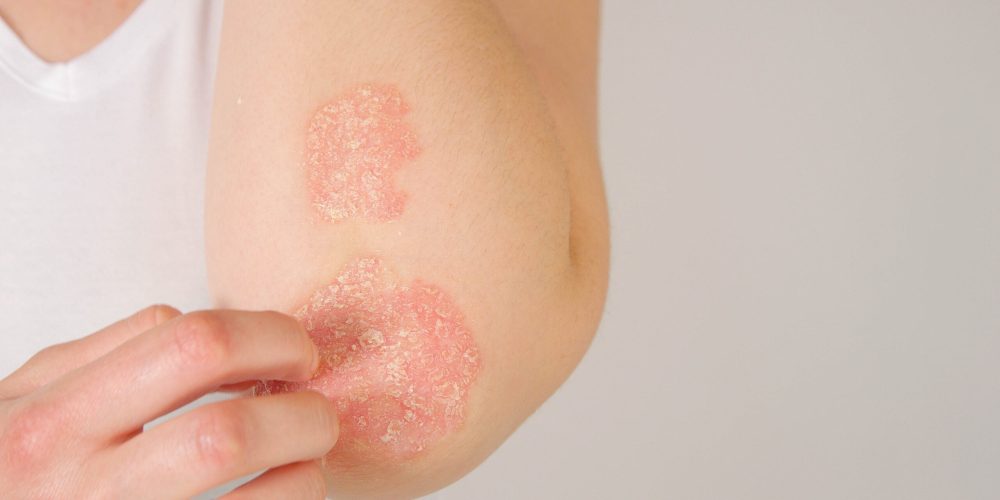
Chronic skin conditions like psoriasis severely impact millions globally. Psoriasis is known for its thick, scaly, and often painful plaques. Inflammation causes these persistent, difficult-to-treat lesions. Scientists initially struggled to pinpoint the exact biological cause. Modern immunological research now strongly implicates the IL-23/IL-17 axis. This refers to a specific sequence of cellular signaling events.
The cytokine IL-23 first stimulates a particular type of immune cell. These cells are known as T helper 17 (Th17) lymphocytes. Th17 cells then become the primary producers of IL-17. IL-17 functions as a powerful “enforcer” cytokine within the skin. It signals skin cells to proliferate abnormally fast. It also aggressively recruits other immune cells, like neutrophils. This heavy cellular influx creates the inflammation, redness, and pus commonly seen in skin lesions.
The identification of IL-17’s critical role has already revolutionized psoriasis treatment. New biologic drugs specifically target this key pathway. These medications utilize monoclonal antibodies. Some, such as secukinumab and ixekizumab, directly neutralize the IL-17A cytokine. Others, like brodalumab, block the IL-17 receptor on target skin cells. Blocking this specific interaction stops the inflammatory cascade.
Clinical trials consistently show these targeted therapies achieve remarkable success. Patients often experience significant, even near-complete, clearance of their skin lesions. These focused treatments offer superior efficacy compared to older, broader immunosuppressants. Their success powerfully validated the IL-17 pathway as the central driver of the disease pathology.
The therapeutic triumph in psoriasis has now spurred wider research efforts. Scientists are actively investigating the IL-17 pathway’s role in other inflammatory dermatoses. Evidence suggests this cytokine contributes significantly to seborrheic dermatitis. It may also play an important part in certain forms of atopic dermatitis. This targeted approach moves away from simply suppressing the entire immune system. Instead, doctors can now precisely inhibit the core mechanism of the disease.
Future applications of this knowledge extend beyond conventional inflammatory diseases. Researchers are even exploring targeted anti-inflammatories to slow skin aging. Experts increasingly recognize that chronic, low-grade inflammation drives many signs of aging skin. Inhibiting the specific molecular drivers of inflammation promises a new era. It suggests a future of highly personalized and exceptionally effective skin treatments. Continued research will undoubtedly unlock the full potential. It will help define the entire spectrum of diseases where IL-17 inhibition can offer genuine relief. This highly focused treatment path brings new hope for chronic skin sufferers.









