

The Fédération Internationale de l’Automobile (FIA) confirmed a major regulatory shift this week. The organization drastically increased the Super Licence points awarded to top IndyCar Series drivers. This change takes effect beginning with the 2026 season. The move directly addresses long-standing criticism that North America’s premier open-wheel series was unfairly undervalued. The new points allocation will smooth the journey for highly skilled IndyCar athletes aiming for a Formula 1 seat.
Prospective F1 drivers must accumulate a minimum of 40 Super Licence points over a three-year rolling period. Previously, only the IndyCar champion earned the full 40 points. Under the former structure, drivers finishing outside the top two struggled significantly to meet the necessary threshold. This forced many capable drivers to seek points in less-competitive international series.
The updated structure focuses primarily on positions three through nine in the final championship standings. For instance, the fourth-place finisher will now earn 20 points, a huge jump from the previous 10 points. The fifth-place driver now collects 15 points, up from just eight. Third place sees a bump from 20 to 25 points. This adjustment grants far greater weight to consistent top-half finishes in the highly competitive IndyCar championship.
The FIA World Motor Sport Council approved the points revision. They stated the increase reflects the “growing significance of the category” in global motorsport. IndyCar now sits firmly as the second-most rewarding series, behind only Formula 2, for accumulating Super Licence points. Formula 2 champions, runners-up, and third-place finishers all still receive the maximum 40 points.
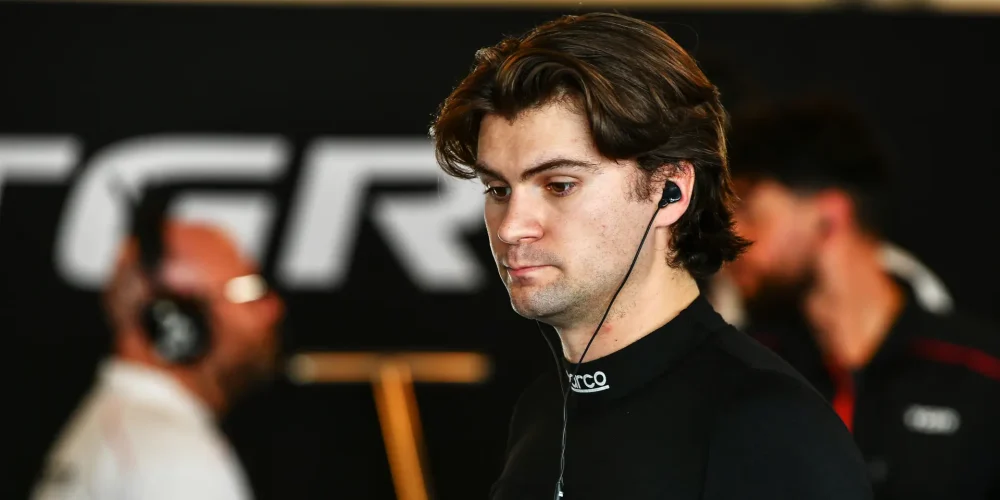
The new policy comes years after the controversial Super Licence denial faced by American star Colton Herta. In 2023, Herta had a clear path to an F1 drive with AlphaTauri. However, he fell short of the 40-point requirement based on his IndyCar results. The FIA rejected a requested exemption, effectively blocking his move.
The new rules sadly come too late to help Herta’s past efforts. He has already secured a Formula 2 drive for the upcoming season with the Cadillac F1 reserve role. However, the change will benefit future drivers like Pato O’Ward, Scott McLaughlin, and other top IndyCar talent who harbor F1 ambitions. Consistent performance in the American series now provides a genuinely viable pathway to Formula 1.
The adjustment received immediate praise across the racing community. Many IndyCar figures welcomed the official recognition of the series’ competitive level. The FIA is promoting a more equitable system. They are making it easier for successful drivers from elite global categories to transition to Formula 1. The Super Licence system originally aimed to prevent drivers from simply buying their way into F1. This new allocation better ensures that proven talent, regardless of their origin series, can meet the required sporting criteria.









