

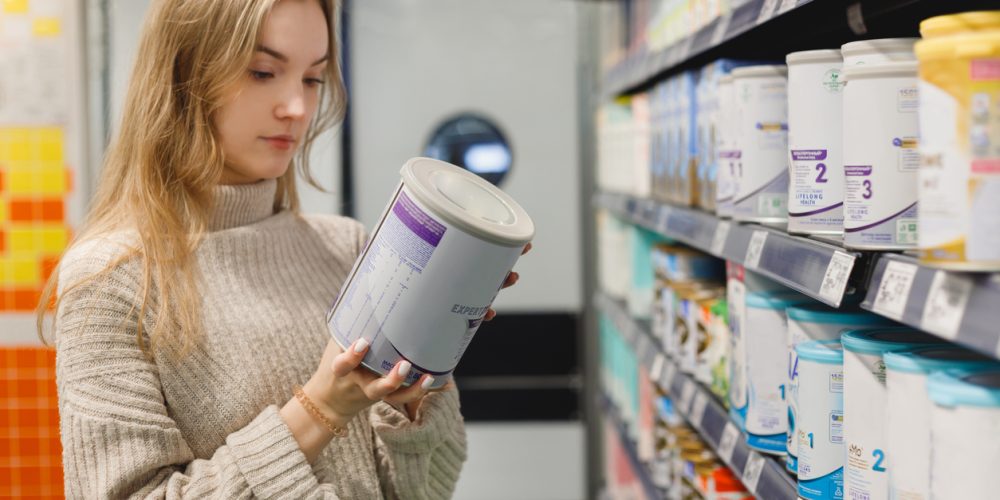
Health officials are warning parents across the United States to check their infant formula after the ByHeart recall expanded due to growing concerns about possible botulism contamination. The company widened its recall following additional reports of infants showing symptoms linked to the dangerous bacteria. The alert has increased pressure on regulators to ensure product safety as families scramble for clear guidance.
Botulism is a rare but serious condition that can cause life-threatening paralysis in babies. Symptoms may include weak muscles, poor feeding, and difficulty breathing. Because infants are more vulnerable, even a small level of contamination can pose a major threat. Health experts are urging parents to treat any signs of illness as an emergency and seek immediate medical care.
The initial recall covered specific batches of ByHeart’s whole nutrition formula. As new reports emerged, the company increased the scope of affected products. Officials from the U.S. Food and Drug Administration (FDA) confirmed that several infants were being evaluated for potential exposure. While final testing continues, the agency stressed the importance of caution.
ByHeart said it is cooperating fully with investigators. The company maintains that contamination likely occurred during production at a facility it does not own but uses for parts of its manufacturing process. The affected formula has been removed from store shelves, and parents are being instructed to discard any products with matching lot numbers. Customers can request refunds directly from ByHeart’s support team.
Health officials have emphasized that most formula on the market remains safe. Still, the recall has reignited concerns about oversight and supply chain weaknesses in the baby formula industry. The U.S. faced a severe formula shortage in 2022 after contamination shut down a major plant. Many families still remember the stress of finding safe products during that crisis.
Experts believe the ByHeart situation shows the need for stronger monitoring. They argue that infant formula carries a unique responsibility because babies rely on it as their primary source of nutrition. Any failure in safety protocols can result in widespread risk.
Parents are encouraged to review all formula containers in their homes. The FDA website lists updated details, including lot codes and expiration dates. Anyone with recalled products should dispose of them immediately. If a child experiences symptoms such as sluggish movement, constipation, or trouble swallowing, parents should contact a doctor without delay.
Pulmonologists and pediatricians note that early treatment improves outcomes significantly. Antitoxins may help stop the progression of paralysis when administered quickly. Hospitals are prepared to respond to potential cases and coordinate with the CDC for specialized care.
The FDA stressed that investigations will continue until they determine the cause of contamination. The agency plans to review manufacturing practices and evaluate whether additional safeguards are required. Lawmakers have also expressed interest in examining regulatory gaps to prevent future incidents.
For now, the priority is ensuring that parents have accurate information. Health experts advise families to stay updated through official sources and avoid relying on social media rumors. The situation remains fluid, but authorities say the risk can be controlled with prompt action and clear communication.
The expanding recall serves as a reminder of how essential strict safety standards are in infant nutrition. As testing advances and more data becomes available, health officials hope to restore confidence and protect families from further harm.









