

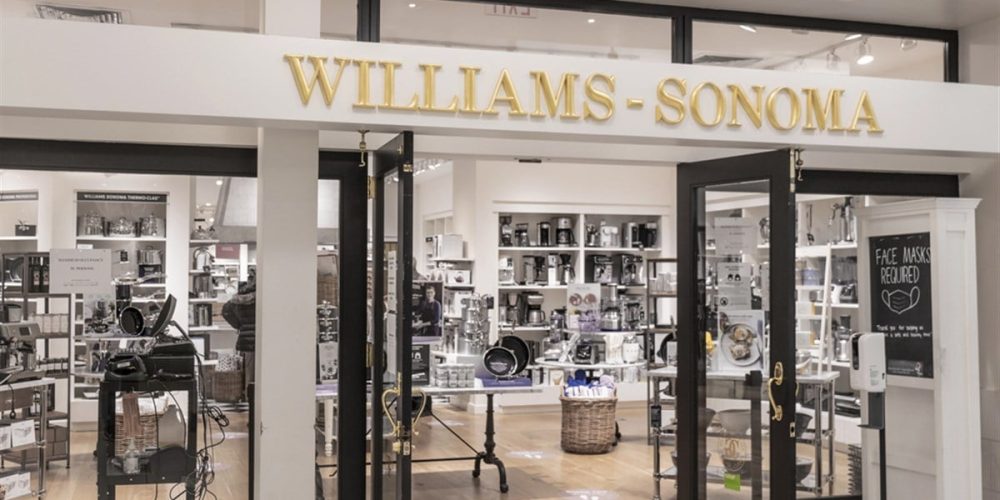
Williams-Sonoma is preparing for a sharper financial impact from U.S. trade tariffs in the coming quarter, according to CEO Laura Alber. The home goods retailer has already seen early cost pressures surface, but the company expects the full effect to show up more clearly in the months ahead. Alber explained that Williams-Sonoma still benefits from earlier inventory that arrived before tariffs increased, but this cushion will fade as new shipments move through the system.
The latest tariff adjustments target a wide range of imported goods, including furniture, cookware, and home décor — all categories central to Williams-Sonoma’s business. Alber said the company has strong sourcing relationships and continues to diversify suppliers, but higher import costs remain unavoidable. She noted that the team has been planning for this scenario and monitoring how the changes influence both product margins and consumer demand.
Retailers across the home furnishings sector are facing similar challenges. Many rely heavily on overseas production, particularly in Asia, where manufacturing remains more cost-efficient. When tariffs rise, retailers must decide whether to absorb the increased costs or pass them on to customers. Alber stressed that Williams-Sonoma aims to protect its long-term value proposition, although pricing strategies may shift depending on market conditions.
Despite the looming tariff headwinds, Williams-Sonoma delivered solid performance in the most recent quarter. Sales remained steady across its portfolio of brands, including Pottery Barn, West Elm, and its namesake line. Alber highlighted strong consumer engagement, especially among customers focused on better-quality, longer-lasting home products. The company also continues to benefit from ongoing growth in e-commerce, which now accounts for a large share of total revenue.
Even so, consumer spending in the home category has become less predictable. Many households are prioritizing essentials due to inflation, while big-ticket home purchases have slowed compared with the pandemic boom. Alber acknowledged this shift but said the company’s premium positioning helps maintain customer loyalty. She also emphasized ongoing investments in design, sustainability, and customer service as key drivers of competitive strength.
To manage cost pressure, Williams-Sonoma will continue refining its supply chain. This includes negotiating better freight rates, expanding automation, and increasing regional manufacturing where feasible. Alber said the company will remain disciplined and proactive as tariff-related costs rise.
Industry analysts believe Williams-Sonoma is better prepared than many competitors due to its strong balance sheet and efficient operations. The retailer uses a vertically integrated structure, giving it more control over product development and inventory. Analysts say this flexibility helps offset disruptions that often hit traditional retailers harder.
Tariffs are expected to remain a major theme in the retail sector for the foreseeable future. With new trade policies coming into effect, businesses like Williams-Sonoma must adjust quickly to shifting regulations. Alber said the company remains confident in its ability to adapt and continue delivering value to customers, even in a changing economic climate.
While Williams-Sonoma anticipates stronger tariff pressure next quarter, its leadership believes the company’s resilience, brand strength, and operational discipline will help it navigate the challenges ahead.
Read More : Consumer Relief: Trump Prepares to Cut Tariffs on Key Imports to Ease Price Hikes









