

KEY POINTS
- Atletico Madrid’s latest European campaign ended in disappointment following a definitive knockout in the Champions League.
- Manager Diego Simeone expressed a sense of calm and reflection despite the high-stakes defeat on the continental stage.
- The club now turns its attention to a squad rebuild and securing their position in domestic play for the upcoming season.
The era of Diego “Cholo” Simeone at Atletico Madrid has hit a significant crossroads following the club’s exit from the UEFA Champions League. While the atmosphere following such high-profile losses is usually one of intense scrutiny and frustration, the mood surrounding the Metropolitano this week has been uncharacteristically quiet. Simeone, the longest-serving manager in top-flight European football, appears to be adopting a stoic stance as the club grapples with its current ceiling in international competition.
What You Need to Know
Diego Simeone has been the heartbeat of Atletico Madrid for over a decade, transforming a struggling side into a consistent European powerhouse. Under his leadership, “Los Rojiblancos” have famously challenged the duopoly of Real Madrid and Barcelona in Spain, winning two La Liga titles and reaching two Champions League finals. His “Cholo-ismo” philosophy—defined by defensive grit, tactical discipline, and an “us against the world” mentality—has become the club’s identity.
However, the recent seasons have shown signs of stagnation. The defensive solidity that once defined the team has become porous, and the aging core of the squad has struggled to keep pace with the high-intensity transition play of younger European rivals. This latest exit marks a recurring pattern where Atletico fails to break into the final four of the competition, leading many to wonder if the Simeone cycle has finally reached its natural conclusion.
The financial implications of a Champions League exit are also significant. For a club that has heavily invested in high-wage veterans and a state-of-the-art stadium, the loss of television revenue and prize money from the later rounds puts immense pressure on the front office. Atletico now finds itself in a position where it must balance the books while attempting to keep their iconic manager motivated for a new project.
The Quiet Aftermath of Atletico’s European Exit
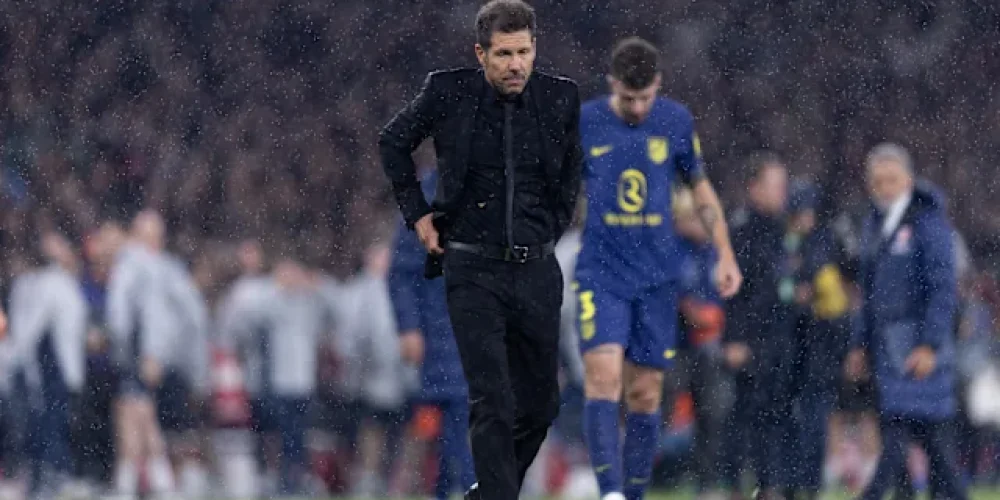
In the wake of their elimination, Simeone remained remarkably composed, emphasizing that the team gave their maximum effort but fell short against a superior technical opponent. Rather than the fiery touchline antics he is known for, the manager spoke about the “peace” of knowing the team’s limits. This shift in tone has been interpreted by many analysts as a realization that the current roster requires more than just tactical motivation; it needs a fundamental infusion of new talent.
The timeline for Atletico’s decline in Europe has been gradual. Following their peak in the mid-2010s, the team has struggled to replace key figures in the backline. While the attack has seen flashes of brilliance from individual stars, the collective cohesion that once made them the “team no one wants to play” has faded. The recent match highlighted a gap in speed and physical endurance that Simeone’s traditional system struggled to mask.
Club leadership remains publicly supportive of the Argentine manager, but the internal pressure to modernize the playing style is growing. The fanbase remains divided: many believe Simeone has earned the right to stay as long as he wishes, while others argue that a fresh perspective is needed to revitalize a dressing room that has grown accustomed to the same routines. The silence following this exit suggests that the club is taking a measured approach to its next steps rather than making emotional decisions.
Why This Matters
For soccer fans in the United States and the global English-speaking community, Atletico Madrid represents the ultimate underdog story in a sport often dominated by billionaire-backed giants. Simeone’s success showed that a well-organized team with a distinct culture could overcome massive financial disadvantages. If Atletico enters a period of transition or moves on from Simeone, it signals the end of one of the most romantic and gritty eras in modern sports history.
Furthermore, the stability of Atletico Madrid is crucial for the health of La Liga. As the league seeks to expand its footprint in North America and compete with the English Premier League for viewership, having a strong “third force” in Spain is vital. An Atletico in crisis would weaken the overall competitiveness of the Spanish top flight, potentially impacting broadcasting deals and the global marketability of the league’s matches held abroad.
NCN Analysis
The “calm” Simeone refers to may actually be the precursor to a major storm this summer. All signs point to a significant turnover in the playing staff, with several high earners likely to be moved on to make room for younger, more versatile players. Simeone has shown an ability to reinvent his team before, but this time feels different because the tactical landscape of football has shifted toward a more offensive, high-pressing game that doesn’t always align with his preferred style.
What readers should watch for is the movement in the transfer market over the next three months. If Atletico fails to secure a top-four finish in La Liga, the financial strain could force a sale of their most prized assets. However, if Simeone stays and is given the resources to rebuild, we might see a “Simeone 2.0” that is more adaptable. The next season will be the ultimate test of whether his leadership is timeless or if the game has finally moved past the era of the defensive specialist.
Reported by the NCN Editorial Team









