

KEY POINTS
- New modeling suggests that nearly one-quarter of the global population will suffer from liver complications tied to metabolic issues within the next 25 years.
- The rapid rise of the condition is closely linked to increasing rates of Type 2 diabetes and obesity across both developed and developing nations.
- Medical experts are calling for a fundamental shift in how health systems screen for “silent” liver damage before it progresses to irreversible failure.
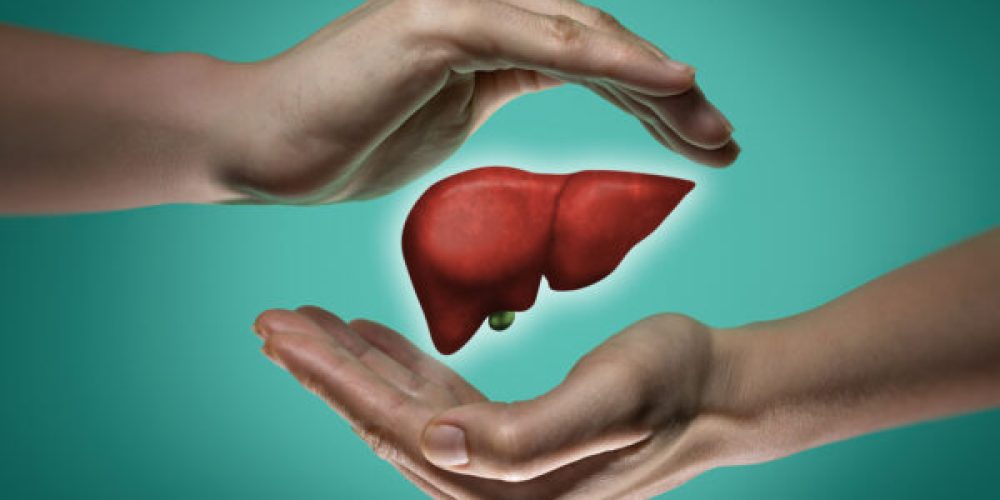
By the year 2050, approximately 2 billion people worldwide will be living with metabolic liver disease, marking a staggering escalation in a global health crisis that remains largely invisible to the public. This surge represents not just a medical challenge, but a looming economic catastrophe that threatens to overwhelm healthcare infrastructure from New York to Stockholm. As the prevalence of metabolic dysfunction accelerates, the “silent epidemic” of liver scarring is moving from a secondary health concern to a primary cause of global mortality.
What You Need to Know
For years, liver disease was primarily associated with excessive alcohol consumption or viral hepatitis. However, a new category of illness known as Metabolic Dysfunction-Associated Steatotic Liver Disease (MASLD)—formerly referred to as Non-Alcoholic Fatty Liver Disease (NAFLD)—has emerged as the dominant form of liver pathology. This condition occurs when the body begins to store excess fat in the liver cells, triggered not by alcohol, but by a combination of genetics, sedentary lifestyles, and diets high in processed sugars and saturated fats.
The medical community recently updated the terminology to “MASLD” to more accurately reflect the underlying metabolic triggers, such as insulin resistance and high blood pressure. The danger of this condition lies in its stealthy progression. In its early stages, a patient may feel entirely healthy while their liver slowly accumulates fat. Over time, this can lead to inflammation and a more aggressive form of the disease known as MASH (Metabolic Dysfunction-Associated Steatohepatitis), which causes the liver to develop permanent scar tissue, or fibrosis.
Historically, the focus of metabolic health has been on heart disease and stroke. While those remain critical, the liver is often the first organ to show signs of metabolic breakdown. Because the liver performs over 500 vital functions—including filtering toxins and regulating blood sugar—its failure has a systemic impact on the entire body. The current trajectory suggests that without massive intervention in food systems and physical activity levels, the world is facing a generational decline in liver health that could erase decades of progress in life expectancy.
The Global Surge of Steatotic Liver Disease
The latest projections regarding the 2 billion person milestone come from an international coalition of researchers who utilized advanced epidemiological modeling to track the disease’s path. Their findings indicate that the most significant growth in cases will occur in regions currently undergoing rapid “Westernization” of their diets. While the United States and Europe have long struggled with high rates of metabolic disorders, Southeast Asia and Latin America are now seeing a vertical climb in MASLD diagnoses as ultra-processed foods replace traditional dietary staples.
The timeline for this crisis is already in motion. We are currently seeing a “pipeline” effect where childhood obesity in the early 2000s is manifesting as advanced liver fibrosis in young adults today. Unlike other chronic conditions, MASLD does not have a single “silver bullet” cure. The progression of the disease is a slow-motion collision between modern convenience and human biology. The study highlights that the sheer volume of patients reaching the stage of cirrhosis—the final phase of liver scarring—will likely exceed the capacity of every organ transplant program on the planet by 2040.
Experts involved in the data analysis point to a massive gap in diagnostic accessibility. Currently, the “gold standard” for diagnosing liver scarring is a biopsy, an invasive and expensive procedure that cannot be scaled to screen billions of people. While non-invasive technologies like specialized ultrasound (FibroScan) are becoming more common, they are still largely unavailable in the primary care settings where most metabolic issues are first identified. This lack of early detection means that many of the 2 billion people projected to be affected will only discover their condition when the liver is already failing.
The corporate landscape is also reacting to this data. Pharmaceutical giants are currently in a high-stakes race to bring the first blockbuster MASH treatments to market. While recent FDA approvals for certain thyroid hormone receptor agonists offer hope, medical professionals warn that drugs alone cannot solve a problem rooted in the global food environment. The timeline of events suggests that by 2030, the demand for liver-related healthcare will begin to crowd out other medical priorities, forcing governments to make difficult choices about insurance coverage and resource allocation.
Why This Matters for Americans
For the American public, the projection of 2 billion cases is a direct warning about the future of the domestic labor market and the national security of the United States. A significant portion of the US population is already metabolically unhealthy, and as MASLD progresses into advanced stages, it leads to chronic fatigue, cognitive “brain fog,” and long-term disability. This will likely result in a secondary productivity crisis, where a large segment of the workforce is physically unable to maintain full-time employment, placing an unprecedented strain on the Social Security Disability Insurance (SSDI) system.
Furthermore, the rise in metabolic liver disease will fundamentally alter the cost of American healthcare. As liver failure becomes more common, the demand for high-cost interventions—such as long-term hospitalizations for portal hypertension and the management of liver cancer—will cause private insurance premiums to skyrocket. This isn’t just a concern for those with a high BMI; the “thin on the outside, fat on the inside” (TOFI) phenomenon means that many seemingly fit Americans are also at risk. The crisis will necessitate a complete overhaul of the annual physical, moving beyond simple cholesterol checks to include routine metabolic liver enzyme monitoring as a standard of care.
NCN Analysis
The data suggests we are approaching a “tipping point” where liver health will become the primary metric of public wellness. At NextClickNews, our analysis indicates that the 2050 projections might actually be conservative if we do not address the “food desert” issues and the ubiquity of high-fructose corn syrup in the American diet. We anticipate that in the coming decade, we will see the emergence of “liver-friendly” certifications on food products, similar to the “heart-healthy” labels of the 1990s.
There is also a significant intersection between this health crisis and the rise of GLP-1 weight-loss medications like Ozempic and Zepbound. While these drugs are currently marketed for weight loss and diabetes, their secondary effect on reducing liver fat could be the most important medical breakthrough of the century. However, the high cost of these medications creates a “health equity” gap. If only the wealthy can afford the drugs that prevent liver failure, we face a future where metabolic health becomes a luxury good. Watch for a major political battle over the “Right to Metabolic Health,” as activists push for universal coverage of these treatments to prevent the 2050 catastrophe.
The future of global health depends on whether we treat the liver as an isolated organ or as the central hub of our metabolic survival.
Reported by the NCN Editorial Team









