

KEY POINTS
- Explorers can traverse historic trails to view massive chalk figures across the English countryside.
- New archaeological evidence suggests some figures served as medieval military rallying points.
- The 3,000-year-old Uffington White Horse remains the oldest surviving example of these geoglyphs.
The rolling green hills of Southern England hold a unique collection of massive art pieces. These figures are carved directly into the white chalk landscape. Known as hill figures, they include giants, horses, and various symbols. Many of these landmarks sit along ancient trackways like the Ridgeway and the Icknield Way.
Walking through these landscapes offers a direct connection to British history. Some figures are quite modern, created as military tributes or local advertisements. Others have baffled researchers and historians for hundreds of years. The Uffington White Horse stands out as the most ancient survivor. Scientists date this sleek, elongated animal to the late Bronze Age.
The Cerne Giant in Dorset is perhaps the most famous and controversial figure. Recent analysis of snail shells and soil suggests it dates to the early medieval era. Experts now believe the club-wielding man may represent the mythological hero Hercules. This suggests the site served as a gathering spot for Saxon armies fighting Viking invaders.
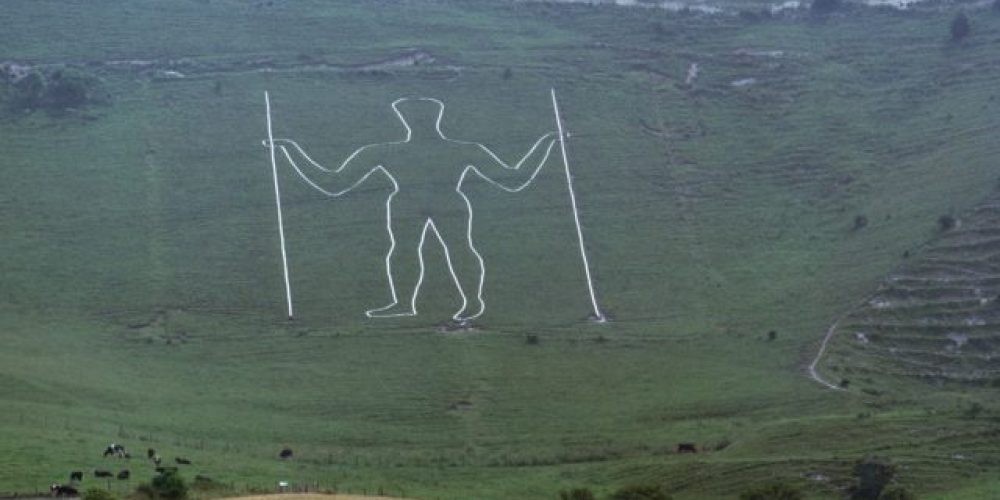
Further east, the Long Man of Wilmington guards the South Downs. This tall figure holds two staffs and has a mysterious origin. Some believe it represents the god Odin, while others think it was a later medieval addition. During World War II, locals painted these figures green to hide them from enemy bombers.
The chalk landscape also features various white horses across Wiltshire. Most of these were carved in the 18th and 19th centuries. They often commemorated royal events or local pride. Many are still maintained by volunteers who “scour” the chalk to keep them bright. This tradition has turned the figures into symbols of community and belonging.
Travelers can visit stranger marks, such as the Whiteleaf Cross near the Chiltern Hills. This cross sits atop a massive chalk pyramid and dominates the local view. Another curious site is the Watlington White Mark. This obelisk was designed in the 1700s to make a local church look like it had a spire.
The experience of walking these hills combines nature with deep folklore. These “tattooed hills” reflect the changing imagination of the people who lived there. They remain a vital part of the English identity today. Visitors continue to find fascination in these silent guardians of the chalky heights.









