

KEY POINTS
- President Trump established a Tuesday 8 p.m. ET deadline for Tehran to reopen the critical waterway or face strikes.
- The White House dismissed concerns that targeting civilian infrastructure, such as power plants and bridges, constitutes war crimes.
- Military officials face a moral dilemma as legal experts warn that following orders to hit non-military sites violates international law.
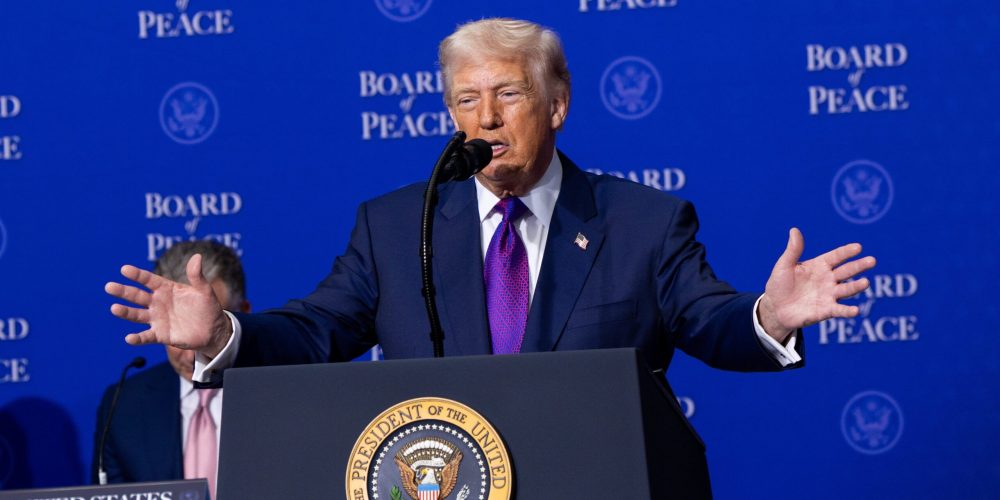
President Donald Trump issued a stern ultimatum to the Iranian regime during a high-stakes press conference at the White House. He demanded that Tehran reopen the Strait of Hormuz by Tuesday evening. Failure to meet this 8 p.m. ET deadline will result in severe military consequences. The President threatened to devastate the country’s energy facilities and bridges if they do not comply.
During the briefing, the President addressed the ethical implications of his current military strategy. He suggested that Iranian civilians would actually welcome American strikes on their national infrastructure. He argued that the population is willing to suffer the loss of basic services to achieve freedom. These claims were made without providing any corroborating intelligence or evidence.
The administration’s stance has sparked intense debate among legal scholars and international observers. Many experts warn that targeting civilian power grids and transportation hubs violates the Geneva Convention. They argue that such actions clearly constitute war crimes under international law. Despite these warnings, the President stated he is not concerned about these legal classifications at all.
Internal pressure is mounting within the United States military chain of command. Officers now face a difficult professional choice between following presidential orders and upholding international legal standards. Some lawmakers expressed deep concern over the potential for mass civilian casualties. They described the administration’s current trajectory as a reckless move toward unnecessary escalation.
The conflict has also impacted domestic issues, including a significant ongoing government shutdown. Tensions remain high as the President continues to request billions in additional defense spending. Meanwhile, the Supreme Court recently issued a ruling regarding the case of former advisor Steve Bannon. The court sent the matter back to appeals, potentially leading to a dismissal of his conviction.
International reaction to the ultimatum has been largely critical of the American position. European Union leaders characterized the targeting of civilian installations as illegal under modern rules of engagement. They urged both sides to consider a ceasefire proposal to prevent further regional instability. However, the White House suggested it is not currently ready for a permanent peace deal.
The situation remains volatile as both nations prepare for the approaching deadline. Intelligence reports indicate that Iranian forces still possess the capability to launch retaliatory strikes. The recent downing of an American fighter jet serves as a reminder of these persistent risks. As the Tuesday evening deadline nears, the world remains focused on the potential for a major escalation.









