

KEY POINTS
- A comprehensive scientific review suggests that modulating the gut microbiome can significantly slow cognitive decline in aging adults.
- Probiotics and prebiotics may protect the brain by reducing systemic inflammation and increasing essential microbial metabolites.
- Dietary interventions, including fiber-rich foods and fermented products, serve as a non-invasive strategy to support long-term mental clarity.
Recent scientific investigations have brought the relationship between the digestive system and the brain into sharp focus, revealing that what happens in the gut may dictate how the brain ages. A new review published in the journal Nutrition Research highlights the growing evidence for the gut-brain axis, a complex communication network that allows the microbiome to influence cognitive function. Researchers are finding that specific interventions, such as the use of probiotics and strategic dietary shifts, could serve as powerful tools in the fight against age-related mental decline.
The core of this research rests on the trillions of microbes inhabiting the human intestinal tract. These bacteria do more than just aid digestion; they produce vital compounds like short-chain fatty acids during the fermentation of dietary fiber. These substances can travel through the bloodstream or stimulate the vagus nerve, providing a direct line of communication to the brain. The review indicates that a healthy, diverse microbiome acts as a shield, potentially preventing the neuroinflammation that often precedes conditions like Alzheimer’s and other forms of dementia.
Probiotics, which are live beneficial bacteria found in supplements and fermented foods, appear to play a critical role in maintaining this balance. By introducing specific strains into the gut, individuals may be able to suppress harmful bacteria that trigger inflammatory responses. Clinical observations suggest that consistent probiotic use can improve mental flexibility and even boost levels of brain-derived neurotrophic factor, a protein essential for the survival and growth of neurons. This biological shift provides a measurable defense mechanism against the natural “wear and tear” the brain experiences over decades.
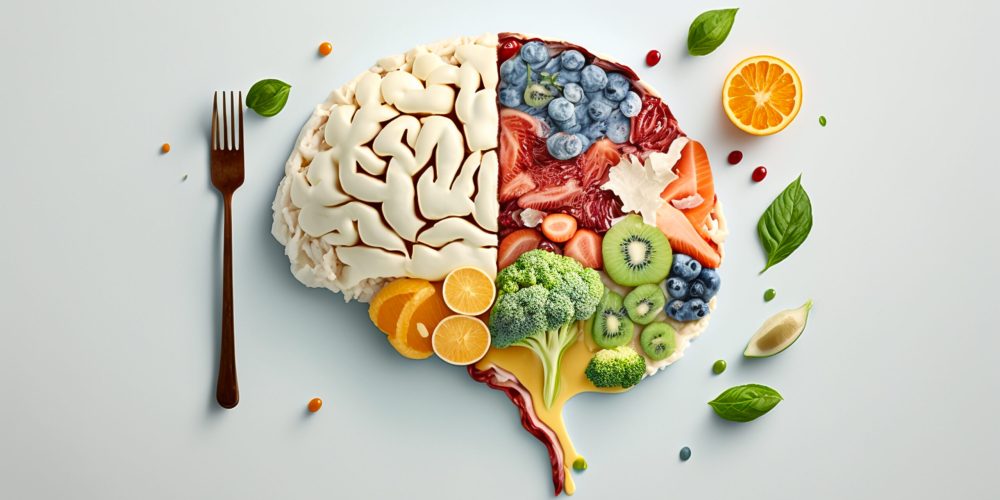
Beyond supplements, the review emphasizes the profound impact of daily nutritional choices. Diets high in diverse plant fibers and low in processed sugars provide the necessary fuel for beneficial microbes to thrive. Conversely, diets heavy in saturated fats and highly processed ingredients can lead to gut dysbiosis—an imbalance that has been linked to increased blood-brain barrier permeability. When this barrier weakens, inflammatory markers can more easily enter the brain, accelerating the loss of cognitive sharpness and memory.
The research also explores more advanced interventions, such as prebiotics and fecal microbiota transplants, though dietary changes remain the most accessible starting point for the general population. While the field is relatively young, the shift from viewing gut health as a “fringe” interest to a mainstream medical priority is significant. Experts suggest that maintaining a robust microbial environment is not just about avoiding stomach upset, but about preserving the very structure of our thoughts and memories as we grow older.
Ultimately, the findings suggest a proactive approach to aging. Instead of waiting for the symptoms of cognitive impairment to appear, individuals can use nutritional strategies to fortify their neurological health. By focusing on a “gut-first” perspective, the medical community hopes to provide a sustainable, low-risk pathway to enhance the quality of life for an aging global population. The old adage that we are what we eat is gaining new scientific weight, proving that a healthy mind truly starts with a healthy gut.









