

KEY POINTS
- Thousands of dead seabirds are washing up on shores across Western Europe.
- Scientists identify starvation caused by extreme winter storms as the primary cause.
- The crisis affects multiple species including puffins, guillemots, and razorbills.
Environmental researchers are documenting a catastrophic wildlife event across the Atlantic coastline of Europe. Thousands of dead seabirds have appeared on beaches from the Bay of Biscay to the North Sea. Local residents and conservation groups continue to find carcasses in unprecedented numbers every day. This mass mortality event has triggered an investigation by wildlife experts and government agencies.
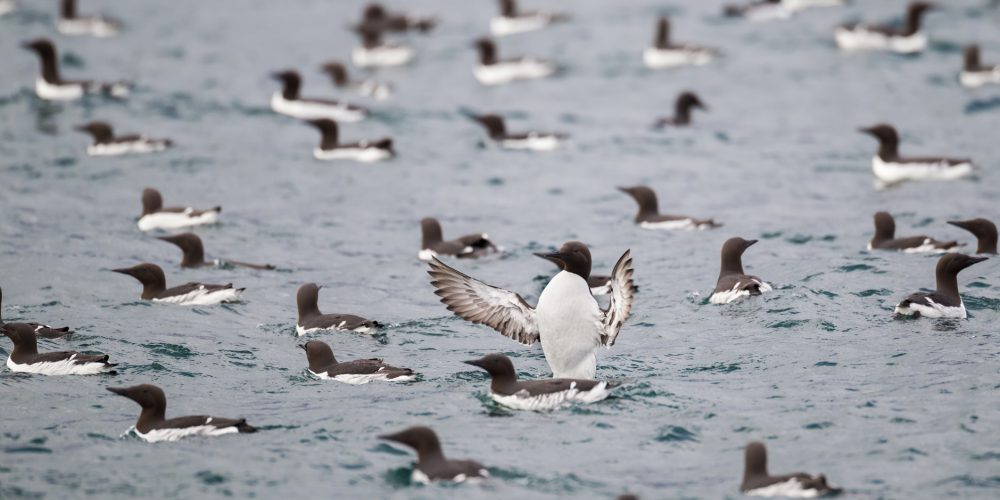
The affected species include Atlantic puffins, razorbills, and common guillemots. Many of these birds appear severely emaciated upon discovery. Experts state that the birds are dying from extreme exhaustion and lack of food. This condition is often referred to as a wreck in ornithological terms. It typically occurs when birds cannot hunt due to prolonged harsh weather.
A series of intense winter storms disrupted the birds’ ability to feed effectively. High winds and turbulent seas make it impossible for seabirds to dive for small fish. These birds require constant energy to maintain their body temperature in cold water. Without regular meals, they quickly burn through their fat reserves and perish at sea. The ocean currents then carry their bodies to the shore.
The scale of this event suggests a significant shift in marine stability. While winter wrecks happen periodically, the current frequency and volume are alarming. Scientists believe that changing climate patterns are making these storms more frequent and violent. This leaves little time for bird populations to recover between weather events.
Marine biologists are performing autopsies on recovered birds to rule out other causes. Initial tests show no evidence of highly pathogenic avian influenza in these specific clusters. The lack of stomach contents confirms that starvation remains the leading factor. This data helps researchers understand the health of the wider marine ecosystem.
The loss of adult birds is particularly damaging for long-term population stability. Many of these species take several years to reach breeding age. They also typically raise only one chick per year during the summer months. Large-scale deaths of mature birds can cause colonies to shrink rapidly over several seasons.
Coastal authorities are advising the public not to touch the dead birds. They recommend reporting sightings to national wildlife monitoring programs instead. These reports help scientists map the full extent of the environmental crisis. Efforts are now focused on protecting the remaining populations as they return to nesting sites.









