

KEY POINTS
- Meteorologists have issued a high-risk warning for volatile weather conditions stretching across a broad section of the central and eastern regions.
- Potential hazards include destructive winds, large hail, and the possibility of isolated tornadoes as a powerful front moves through.
- Local authorities are urging residents to finalize emergency plans and stay updated on rapidly changing atmospheric conditions.
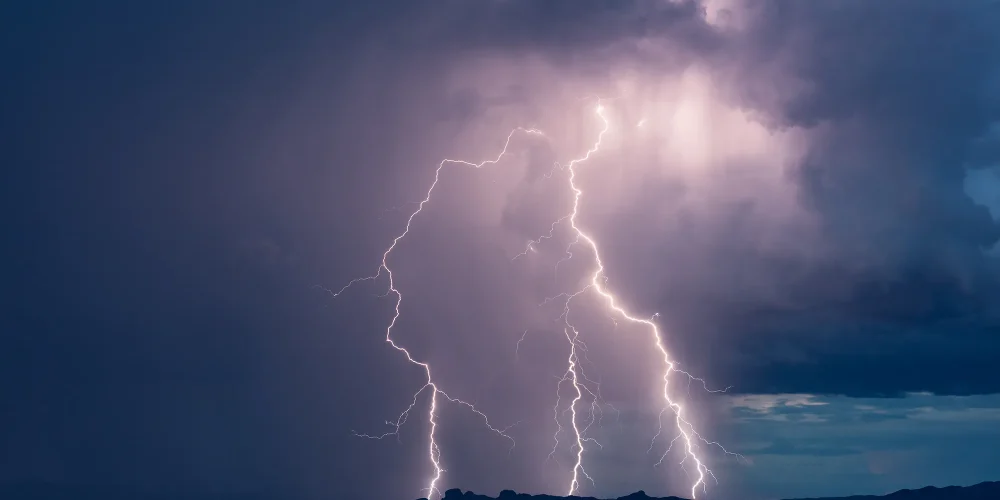
A powerful weather system is currently gathering strength across the central United States, posing a significant threat to millions of residents as it moves eastward. Forecasters have identified a high-risk zone where atmospheric conditions are primed for the development of severe thunderstorms. This massive front is expected to bring a variety of dangerous conditions, ranging from torrential downpours to high-velocity wind gusts that could cause localized property damage.
The primary concern for meteorologists is the collision of warm, moist air from the south with a colder, more stable air mass pushing in from the west. This interaction creates the instability necessary for rapid storm intensification. As the system progresses, it is expected to form a line of intense activity that will sweep through several states, potentially impacting major metropolitan areas during peak travel times.
In addition to the threat of straight-line winds, experts are monitoring the potential for significant hail. Some cells within the storm system could produce hailstones large enough to damage vehicles and crops. Furthermore, the presence of strong atmospheric rotation increases the risk of tornado development within the most organized storm cells. While the exact path of individual storms is difficult to predict, the broad area of concern remains on high alert.
Heavy rainfall is another major factor associated with this incoming front. Because the ground in many of the affected regions is already saturated from previous spring rain, the risk of flash flooding is elevated. Low-lying areas and urban centers with poor drainage are particularly vulnerable to sudden water rises. Residents are cautioned against driving through flooded roadways, as even shallow moving water can displace a vehicle.
Emergency management agencies have begun activating protocols to ensure public safety. This includes the preparation of shelters and the positioning of first responders in areas deemed most at risk. Utilities are also on standby to address potential power outages caused by downed trees and utility poles. Officials emphasize that having a reliable way to receive weather alerts, such as a weather radio or mobile app, is crucial during this event.
As the storm line moves toward the Eastern Seaboard, its intensity may fluctuate depending on the time of day. Storms often gain strength during the afternoon hours when solar heating provides additional energy to the atmosphere. However, nocturnal storms present their own set of challenges, as they are harder to spot and can catch residents off guard while they are sleeping.
Aviation and ground transportation are also expected to face disruptions. Major airport hubs in the path of the storm may experience significant delays or cancellations as carriers prioritize safety. Similarly, interstate travel could become hazardous due to reduced visibility and high crosswinds. Travelers are encouraged to check their itineraries frequently and allow for extra time to reach their destinations safely.
The duration of this severe weather event is expected to span several days as the front slowly pushes toward the Atlantic. Even after the initial line of storms passes, trailing moisture could lead to continued rain and localized flooding concerns. Forecasters will continue to provide real-time updates as the system evolves, ensuring that the public has the most current information to protect life and property.









