

KEY POINTS
- Prime Minister Keir Starmer emphasized that a long-term resolution to the Middle East conflict requires a diplomatic, negotiated settlement.
- The UK continues to reject joining offensive US-Israeli strikes, focusing instead on defensive operations to protect 300,000 British nationals.
- A growing rift has emerged between Downing Street and the White House over President Trump’s pursuit of direct regime change in Tehran.
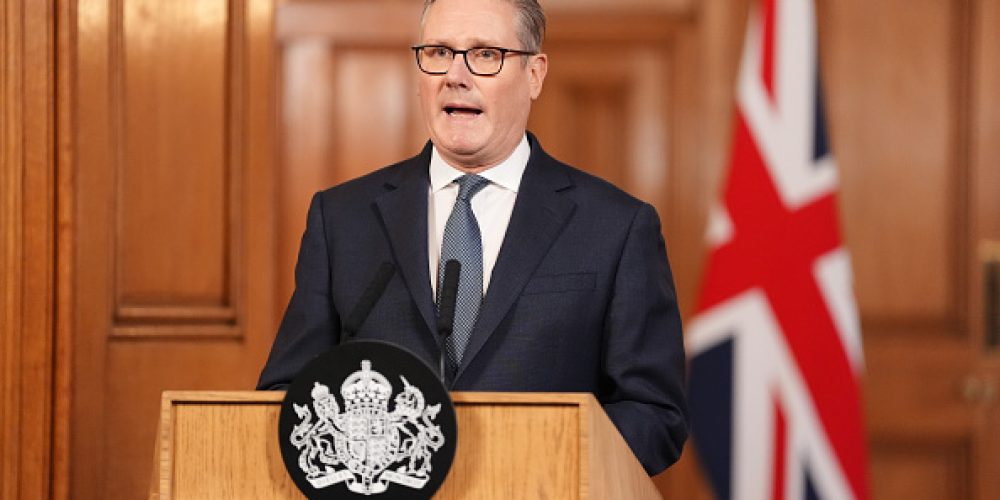
Prime Minister Keir Starmer has publicly broken with the White House, advocating for a diplomatic end to the Middle East crisis. Speaking on Thursday, the UK leader emphasized that a negotiated settlement remains the most effective way forward. He argued that long-term stability cannot be achieved through military force alone. This stance marks a significant departure from the aggressive policy currently pursued by the United States.
The Prime Minister defended his decision to keep British forces out of offensive operations against Iranian territory. While the US and Israel continue a campaign of aerial bombardment, the UK has limited its role to regional defense. Starmer stated that he would not participate in a policy of “regime change from the skies.” He believes such actions lack a clear legal framework and could lead to unpredictable consequences.
Despite the refusal to attack, the UK is strengthening its defensive assets in the Mediterranean and the Gulf. Four additional Typhoon jets and several helicopters have been deployed to protect British interests and personnel. The Royal Navy is also providing air defense support to intercept drones and missiles. Starmer noted that the primary goal of the British military is the safety of 300,000 citizens in the region.
The disagreement has created a visible strain on the “special relationship” between the two allies. President Donald Trump has reportedly been critical of the UK’s cautious approach during private and public exchanges. Starmer responded by asserting that the UK must provide “level-headed leadership” based on lessons from past conflicts. He remains committed to intelligence sharing while maintaining an independent foreign policy.
Economically, the UK is preparing for potential energy market volatility as the conflict persists. Starmer assured the public that national fuel and electricity supplies are currently secure. The government is working with international partners to stabilize oil prices and protect the domestic economy. This effort coincides with a massive logistical operation to repatriate British nationals from the war zone.
Starmer’s focus on a “day after” plan highlights his concern over a potential power vacuum in Tehran. He warned that collapsing the Iranian government without a diplomatic successor could destabilize the entire region. The UK continues to urge all parties to return to the negotiating table to prevent a wider humanitarian disaster. The Prime Minister’s approach seeks a middle ground between total war and passive observation.
As the conflict enters its second week, the divide between Western powers remains a central theme. The US continues to push for a total overhaul of the Iranian leadership structure. Meanwhile, the UK and several European partners remain wary of a prolonged ground or air war. The global community is now watching to see if Starmer’s diplomatic push can gain traction.









