

KEY POINTS
- Príncipe holds a higher concentration of endemic species per square mile than almost anywhere else on Earth, earning it the nickname “Africa’s Galápagos.”
- More than half of the island is protected within a national park, shielded from the palm oil monocultures that have impacted neighboring São Tomé.
- The island’s conservation-led economy now employs over 500 people, roughly 5% of the total population, through sustainable tourism and agroforestry initiatives.
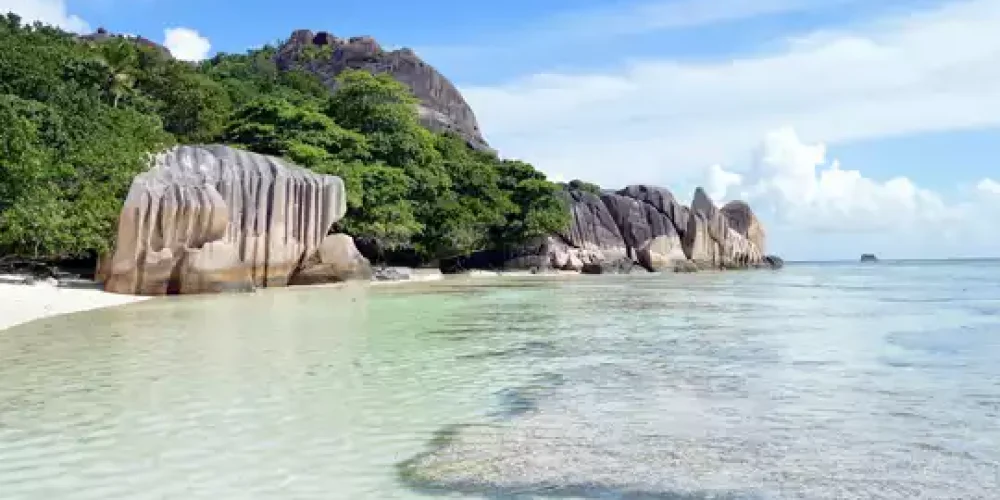
Príncipe is a place where nature still dictates the terms of existence. This tiny volcanic island, situated about 200 miles off the West African coast, is characterized by a “primeval intensity” where ancient rainforests seem to march directly into the Atlantic surf. Designated as a UNESCO Biosphere Reserve in 2012, the island remains one of the most rigorously protected environments on the planet. For travelers and scientists alike, it offers a glimpse into a biological past that has remained largely unchanged for centuries.
The survival of this “lush Eden” is largely credited to the intervention of Mark Shuttleworth, a South African conservationist and former astronaut. After witnessing the vulnerability of Earth from space, Shuttleworth began investing in Príncipe to prevent the environmental degradation seen on the sister island of São Tomé. While São Tomé saw vast tracts of ancient forest replaced by palm oil plantations, Príncipe followed a different path. Through his company, Here Be Dragons (HBD), Shuttleworth established a three-pronged approach focusing on high-end ecotourism, sustainable agriculture, and community-led conservation.
This strategy has turned nature into a tangible currency for the island’s 10,000 residents. In a move that symbolizes the national priority, the country’s currency—the dobra—features images of endemic wildlife, such as the acraea butterfly and giant tree frogs, rather than political figures. This connection between love and money is vital; as the island’s sustainability directors note, people are most motivated to protect the natural world when they can see a direct profit from its survival. Today, HBD is the island’s largest employer, providing jobs that have halted the previous trend of youth emigration.
The biological diversity of the island is staggering. In the shadows of the phonolite peaks, such as Príncipe Peak, a “nature’s pharmacy” thrives. Local guides describe the jungle as a living medical text, where plants like the mosquito leaf provide natural insect repellent and the rare micaco plant is harvested for its medicinal properties. Underwater, the scene is equally vibrant, with massive sardine balls and endemic parrotfish populating the turquoise bays. The island’s commitment to protection ensures that these ecosystems remain resilient against the global pressures of climate change and industrialization.
In the tiny capital of Santo Antonio—often cited as the smallest capital city in the world—the spirit of conservation has become a social pillar. Weekly rubbish pick-ups have evolved into community gatherings, and educational programs ensure that children maintain their innate wonder for the forest. This grassroots involvement is what separates Príncipe from other luxury destinations; the local population is not just watching the conservation happen—they are the ones driving it.
The future of Príncipe rests on the continued success of this “low-key luxury” model. By limiting the footprint of tourism to a few high-quality, sustainable lodges like Sundy Praia, the island avoids the pitfalls of mass travel. It remains a quiet paradise where the ghost of the forest—the elusive lagaia feline—can still roam undisturbed. As the world searches for ways to balance economic growth with environmental integrity, this African island stands as a testament to what is possible when a community chooses to value its heritage over short-term industrial gain.









