

KEY POINTS
- President Donald Trump stated the United States intends to influence the choice of Iran’s next governing head.
- The announcement follows an intensification of American military and diplomatic pressure on the Tehran administration.
- International observers warn that this stance signals a major shift toward a policy of direct regime change.
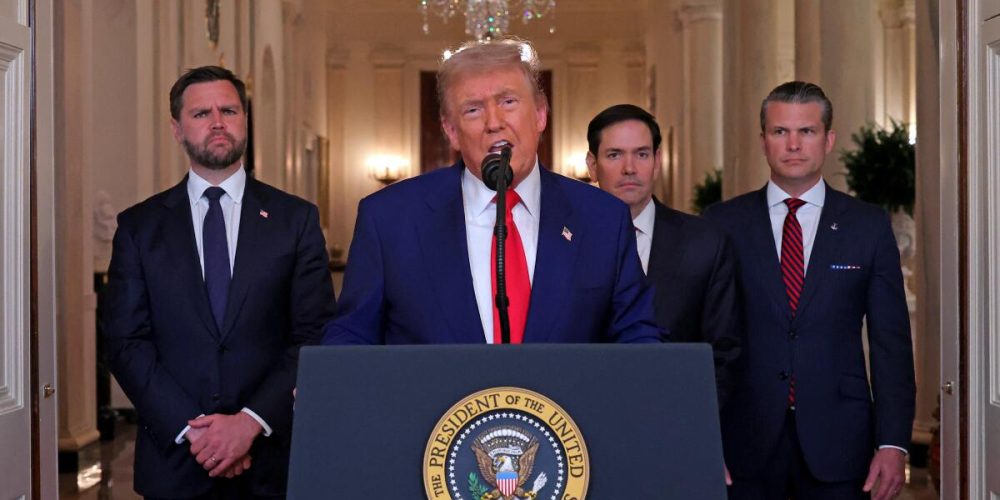
President Donald Trump told Reuters on Thursday that the United States expects to play a decisive role in determining the next leader of Iran. Speaking from the White House, the President emphasized that the current power structure in Tehran must undergo a fundamental transformation. This bold declaration comes as American forces continue a sustained campaign against Iranian military and strategic assets.
The President indicated that the United States will not accept a successor who maintains the current regime’s aggressive foreign policy. He suggested that any future leadership must be compatible with Western security interests and regional stability. This position marks the most explicit confirmation to date that the administration is seeking a total overhaul of the Iranian government.
In his interview, Trump noted that the Iranian people deserve a leadership that prioritizes their domestic needs over regional expansion. He argued that the current economic collapse and social unrest within the country highlight the failure of the existing authorities. The President believes that American involvement can help facilitate a transition to a more cooperative and peaceful administration.
The White House has not yet detailed the specific mechanisms by which it intends to influence the selection process. Officials suggest that a combination of economic leverage and support for opposition figures may be utilized. Some advisors have proposed a transition council that includes representatives from the Iranian diaspora. However, these plans remain in the early stages of development.
Global leaders have reacted with caution to the President’s comments regarding Iranian sovereignty. Several European allies have expressed concern that such a direct approach could lead to a power vacuum or civil war. They have traditionally advocated for internal reform rather than externally managed leadership changes. Critics warn that this strategy could alienate the very citizens the United States hopes to empower.
Regional adversaries of Iran, including Israel and several Gulf states, have largely welcomed the administration’s firm stance. They view the current Iranian leadership as a permanent threat to their national security and economic interests. These partners are expected to coordinate closely with Washington on any future political transition plans.
The Iranian government responded to the remarks by condemning what they described as illegal interference in their domestic affairs. Officials in Tehran stated that the choice of leadership belongs solely to the Iranian people. They characterized the President’s words as a violation of international law and a provocation to further conflict. Despite this rhetoric, the regime continues to face significant pressure from both external forces and internal dissent.
As the conflict progresses, the question of Iranian succession is likely to become a central theme of American foreign policy. The administration appears committed to a long-term strategy of restructuring the political landscape of the Middle East. Analysts believe the President’s comments will serve as a baseline for future negotiations or military objectives. The world is now watching to see how this ambitious policy will be implemented on the ground.









