

KEY POINTS
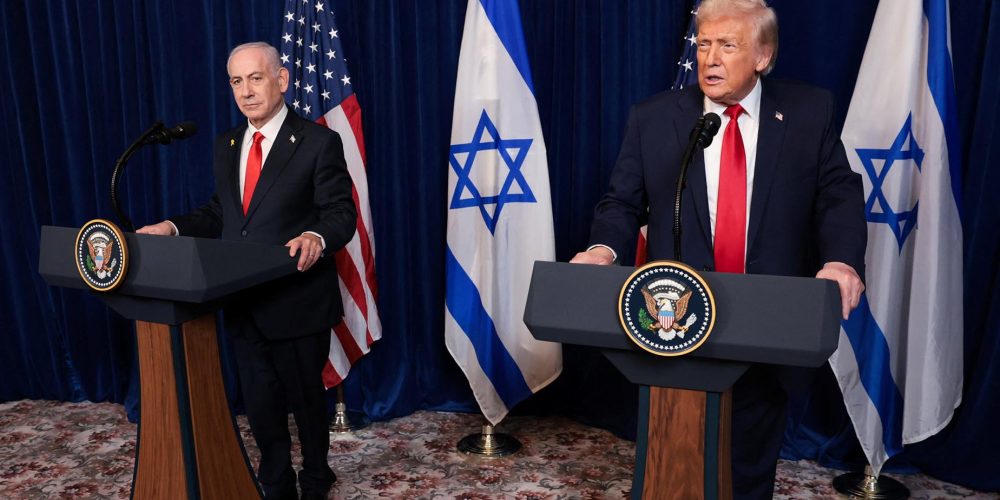
- The personal and political partnership between the American and Israeli leadership faces its most significant challenge as military operations in the Middle East expand.
- Diverging views on the duration and scope of the current offensive are creating friction within the high-level coordination teams in Washington and Jerusalem.
- Domestic political pressures in both nations are influencing the strategic decision-making process, with long-term regional stability hanging in the balance.
The intensifying military situation in the Middle East has placed a spotlight on the intricate relationship between the United States and Israel. Following several days of coordinated strikes, the initial unity displayed by the two administrations is showing signs of strain as the conflict evolves into a broader regional crisis. While the alliance remains a cornerstone of international security, the specific objectives and the intended “endgame” of the current operations have become points of active debate between top-level officials.
At the heart of the current tension is the pace of the military campaign. Statements from Washington have indicated an expectation that the high-intensity phase of the strikes will continue for several weeks. Conversely, some elements within the Israeli security establishment are pushing for a more rapid and decisive conclusion to the aerial campaign to prevent further economic damage and civilian displacement within their own borders. This difference in tactical outlook is forcing diplomats to work overtime to ensure that the two nations remain in lockstep as retaliatory threats continue to emerge from multiple fronts.
The current crisis also serves as a critical test of personal diplomacy. The leaders of both countries have historically maintained a public image of ironclad mutual support, often leveraging their relationship to achieve domestic political victories. However, as the conflict impacts global oil prices and disrupts international travel hubs, the political cost of a prolonged engagement is rising. In the United States, the administration must balance its commitment to a primary ally with the necessity of preventing a wider global economic downturn. In Israel, the government faces internal pressure to restore normalcy to a population currently living under constant air raid alerts.
Logistical coordination remains high, yet the expanding list of targets has introduced new complexities. The involvement of various regional actors and the targeting of commercial infrastructure in the Gulf have widened the scope of the mission beyond the initial parameters. Intelligence sharing between the two nations is at an all-time high, but the interpretation of that intelligence—specifically regarding the likelihood of a massive ground escalation—remains a subject of intense discussion. Military planners are currently grappling with how to maintain a credible deterrent without triggering a total regional collapse.
Furthermore, the diplomatic fallout at the United Nations and among European allies is adding another layer of difficulty. The United States has had to use its significant diplomatic weight to shield the current offensive from international censure, a task that becomes more difficult as the humanitarian impact in the region grows. Israel, meanwhile, is navigating a delicate path with its newer regional partners in the Gulf, whose territories have recently become theaters of conflict. The strength of the Abraham Accords is being tested as these nations look to both Washington and Jerusalem for reassurances of protection.
As the conflict enters its second week, the world is watching to see if this strategic partnership can withstand the immense pressure of a multi-front war. The ability of the two leaderships to synchronize their exit strategies will likely determine the geopolitical map of the Middle East for the next decade. For now, the alliance remains functional, but the “honeymoon period” of absolute policy alignment has clearly transitioned into a phase of difficult, high-stakes negotiation.









