

KEY POINTS
- France will provide specialized anti-drone technology to help secure Cypriot and allied interests.
- The deployment follows a recent drone strike targeting a British military facility on the island.
- International allies are increasing security cooperation to counter rising aerial threats in the Mediterranean.
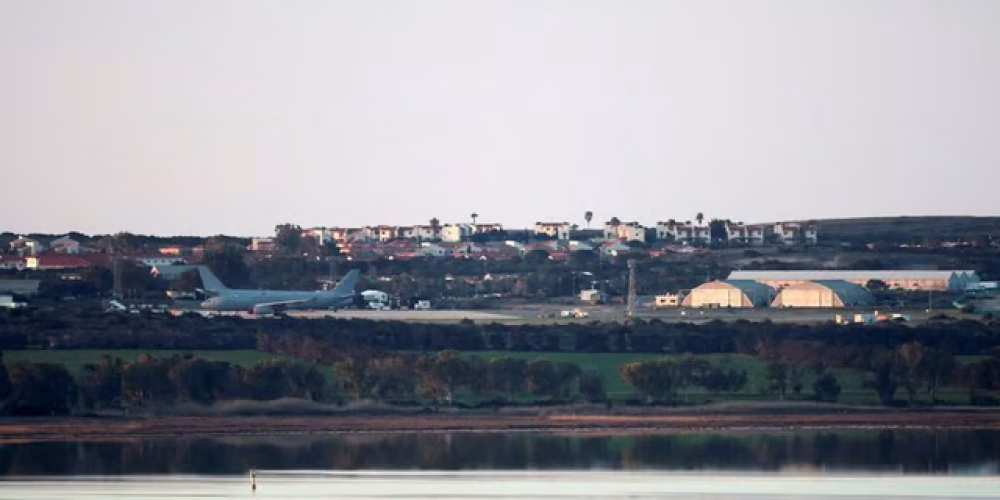
France plans to send sophisticated anti-drone defense systems to Cyprus in the coming days. This move comes after a reported attack on a British military base located on the island. The French government aims to strengthen local security and protect critical infrastructure from remote aerial threats. Regional tensions have pushed European allies to coordinate more closely on defensive measures.
The recent incident at the British facility highlighted vulnerabilities to unmanned aerial vehicles. Hostile drones can bypass traditional radar systems and target sensitive military zones. France intends to provide technology that can detect and neutralize these small aircraft effectively. This assistance reflects a broader effort to stabilize the Eastern Mediterranean region.
Military officials believe that drone technology has become a primary tool for asymmetric warfare. These devices are relatively cheap and can carry explosive payloads over long distances. France has developed several mobile systems specifically designed to jam drone signals or physically intercept them. The deployment will likely include both electronic warfare units and physical defense hardware.
Cyprus occupies a strategic position near several global conflict zones. Many international powers maintain a military presence on the island to monitor regional activity. The attack on the British base raised concerns about the safety of all personnel stationed there. French authorities view this support as a necessary step to prevent further escalations.
The French Ministry of Defense has not yet specified the exact number of units being sent. However, reports suggest the equipment will arrive quickly to address immediate security gaps. French technicians will likely help local forces integrate these systems into existing defense networks. This cooperation strengthens the military ties between Paris and Nicosia.
Other European nations are also monitoring the situation in Cyprus with high levels of caution. The use of drones against sovereign military bases represents a significant change in local threat levels. European leaders want to ensure that such incidents do not disrupt broader diplomatic or economic activities. Security at airports and ports may also see enhancements following this deployment.
Modern anti-drone systems use a combination of sensors, cameras, and radio-frequency scanners. These tools allow operators to identify a threat long before it reaches its target. Once identified, the system can disrupt the drone’s navigation or force it to land safely. France remains a leader in developing these specific types of defense technologies.
As the systems arrive, regional actors will be watching for any signs of further provocation. The presence of advanced French hardware serves as a deterrent against future unauthorized aerial incursions. Maintaining the security of Cyprus is vital for the stability of the entire Mediterranean basin. This mission underscores the growing importance of drone defense in modern global security.









