

KEY POINTS
- Approximately 20 million barrels of oil per day and significant volumes of LNG are currently stranded or forced into costly reroutes around the Cape of Good Hope.
- India is identified as one of the most vulnerable nations, importing over 85% of its oil, with nearly half typically transiting through the Strait.
- China faces a critical energy deficit, as it receives approximately 50% of its total crude imports through this single maritime corridor.
- Japan and South Korea are also at high risk, with both nations relying on the Strait for over 70% of their total oil intake.
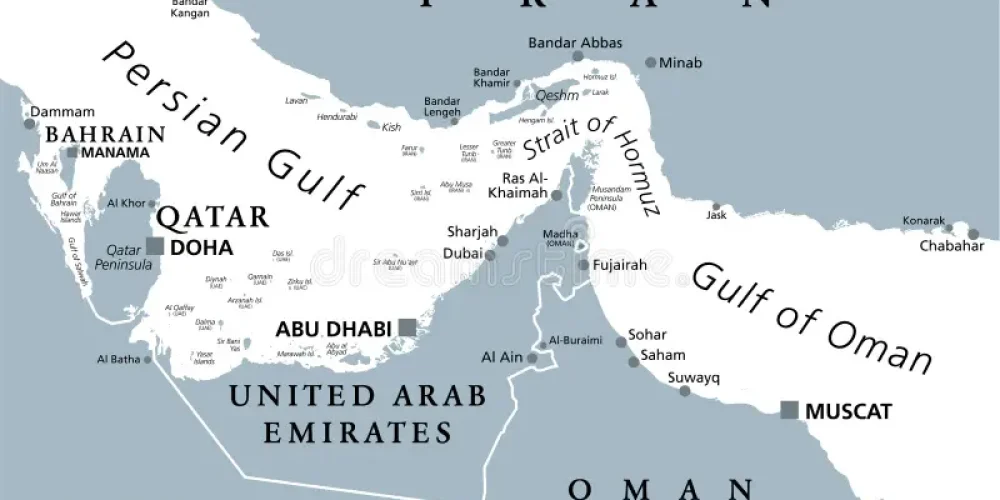
The “Strait of Hormuz crisis of 2026” has escalated into one of the most severe supply shocks in modern history. Following a series of U.S. and Israeli strikes on Iranian infrastructure, Tehran’s Revolutionary Guard (IRGC) issued warnings that have brought commercial traffic to a virtual standstill. While the waterway remains technically open under international law, the withdrawal of war-risk insurance and the physical threat of drone and missile attacks have created a functional blockade that is currently removing nearly one-fifth of global oil consumption from the market.
Asian economies are bearing the brunt of this disruption. India, in particular, has seen prominent industry leaders warn of “worst-affected” status. With the country importing the vast majority of its energy needs, any sustained closure threatens to trigger a sharp rise in domestic fuel prices and broader energy-led inflation. Economists estimate that every $1 increase in crude oil adds approximately $2 billion to India’s annual import bill, posing a direct threat to its manufacturing and transportation sectors.
China’s industrial engine is equally exposed. As the world’s second-largest economy, China depends on the Strait for half of its crude oil imports. A prolonged disruption could lead to GDP stagnation and power grid instability. While China has maintained some limited traffic using its own flagged vessels, the overall volume is insufficient to offset the loss of global tanker fleets. Similarly, Japan and South Korea—both almost entirely dependent on imported fossil fuels—are seeing their energy security “on a knife’s edge,” with limited strategic reserves to weather a multi-month blockade.
The impact on natural gas markets is shifting the crisis toward Europe and the UK. Qatar, one of the world’s largest LNG exporters, sends nearly all of its shipments through the Strait. With QatarEnergy halting production and declaring force majeure on some shipments, European gas benchmarks have surged by more than 50%. This “gas shock” is particularly threatening for nations still recovering from the 2022 energy crisis, as they now face a renewed bidding war for scarce non-Middle Eastern supplies from the U.S. and West Africa.
For the United States, the risk is largely inflationary and political. While the U.S. has reached a level of energy independence that protects it from direct physical shortages, the global nature of oil pricing means that domestic gasoline prices are still climbing toward $3 or $4 a gallon. This “Achilles heel” for the administration comes at a sensitive time as the country prepares for midterm elections.
Alternative routes offer only a partial reprieve. Pipelines in Saudi Arabia and the UAE can bypass the Strait to reach the Red Sea or the Gulf of Oman, but their combined capacity can only handle about 8 to 10 million barrels per day—less than half of what typically flows through the waterway. As insurance providers prepare to cancel all war risk coverage effective March 5, the global economy is bracing for a “historic and epochal” shift in energy costs if a diplomatic or military resolution is not reached within the week.









