

KEY POINTS
- Plant-based diets can provide all nine essential amino acids through “complete” proteins like soy and quinoa or varied vegetable sources.
- Individuals using GLP-1 medications for weight loss require higher protein intake to prevent muscle loss during rapid fat reduction.
- Consuming excessive protein beyond 1.2 grams per kilogram of body weight may strain kidney function and increase vascular inflammation risk.
Protein serves as a vital building block for the human body, facilitating hormone production, tissue repair, and immune system strength. Despite its importance, many people struggle to separate fact from fiction when planning their daily meals. Nutritionists and surgeons emphasize that while protein is necessary for survival, the source and quantity matter significantly for long-term wellness.
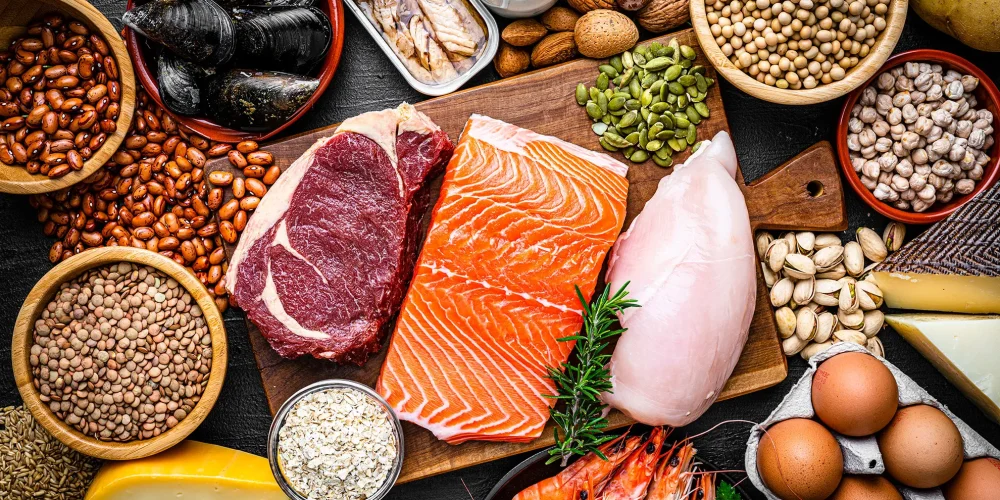
One of the most persistent myths is the belief that high-quality protein can only be found in meat and dairy. Experts explain that while animal products naturally contain all nine essential amino acids, several plant-based foods do as well. Soy, buckwheat, and chia seeds are considered complete proteins on their own. For those following a strictly vegan or vegetarian path, eating a diverse range of legumes, nuts, and grains throughout the day ensures the body receives the full spectrum of necessary nutrients.
Determining the ideal amount of protein depends on several individual factors, including age and activity levels. A general guideline for healthy adults is to aim for approximately 0.75 to 1.2 grams of protein per kilogram of body weight. For someone who is physically active, staying at the higher end of this range helps maintain muscle mass. Tracking these numbers through mobile applications can be a helpful way for beginners to ensure they are meeting their nutritional goals without overcomplicating their meal prep.
The rise of GLP-1 medications, such as those used for diabetes and weight management, has introduced new dietary considerations. These drugs often suppress appetite significantly, which can lead to an accidental drop in nutrient intake. When the body loses weight quickly, it risks burning through muscle tissue instead of just fat. To combat this, medical professionals advise patients on these medications to prioritize high-protein foods. Doing so helps preserve metabolic health and ensures that the weight lost comes primarily from fat stores.
For those who find it difficult to reach their targets through whole foods alone, protein supplements and shakes offer a convenient alternative. These products are particularly useful for athletes or individuals with high caloric needs. However, experts warn that supplements should never serve as a total replacement for whole-food sources. Natural foods provide fiber and micronutrients that powders often lack.
It is also possible to have too much of a good thing. Consuming protein far beyond the body’s requirements does not lead to extra muscle growth; instead, it can cause physical strain. Excessive intake is linked to potential kidney stress and increased calcium loss. In some cases, a diet too heavy in processed proteins can even lead to inflammation within the cardiovascular system.
Ultimately, protein needs are personal. While general guidelines exist, consulting with a registered dietitian is the most effective way to tailor a plan to specific health histories. By focusing on quality and variety rather than just high volume, individuals can support their bodies’ complex functions while avoiding the pitfalls of nutritional trends.









