

KEY POINTS
- Mikel Arteta expresses deep gratitude as Arsenal secures a prestigious spot in the Champions League final four.
- The North London club views this continental success as a vital catalyst for their domestic and international ambitions.
- Strategic tactical shifts and squad depth are credited for the club’s deepest European run in nearly two decades.
Arsenal Football Club has reached a defining moment in its modern era, securing a place in the Champions League semifinals and reigniting the club’s status among Europe’s elite. Manager Mikel Arteta has hailed the achievement as a monumental lift for the entire organization, emphasizing the emotional and professional weight of returning to this stage of the competition. For fans in the United States and across the globe, the Gunners’ resurgence represents the culmination of a multi-year project aimed at restoring the team to the pinnacle of world soccer.
What You Need to Know
The journey to the final four of Europe’s most prestigious club competition has been a long and often arduous one for the North London side. Since their last appearance in a Champions League semifinal in 2009, Arsenal has navigated a period of transition, including managerial changes and a stint away from the competition entirely. The current squad, built on a foundation of youthful energy and tactical discipline, has finally broken through the “round of 16” ceiling that plagued the club for much of the last decade.
In the context of the Premier League’s global dominance, Arsenal’s success is a testament to the league’s overall strength. While Manchester City and Liverpool have frequently flown the flag for English football in Europe, Arsenal’s inclusion in the semifinals suggests a broadening of the power base within the UK. This European campaign has run parallel to a grueling domestic title race, testing the physical and mental limits of a roster that was once criticized for its perceived lack of resilience.
For the American ownership group, Kroenke Sports & Entertainment (KSE), this milestone validates a period of significant financial investment. By backing Arteta through difficult stretches early in his tenure, the ownership has seen the club’s valuation soar alongside its on-field performance. The Champions League semifinals offer not only a shot at a historic trophy but also a massive influx of revenue through broadcasting rights and matchday earnings, further distancing the club from the stagnation of the mid-2010s.
Arteta’s Tactical Triumph and the Road Ahead
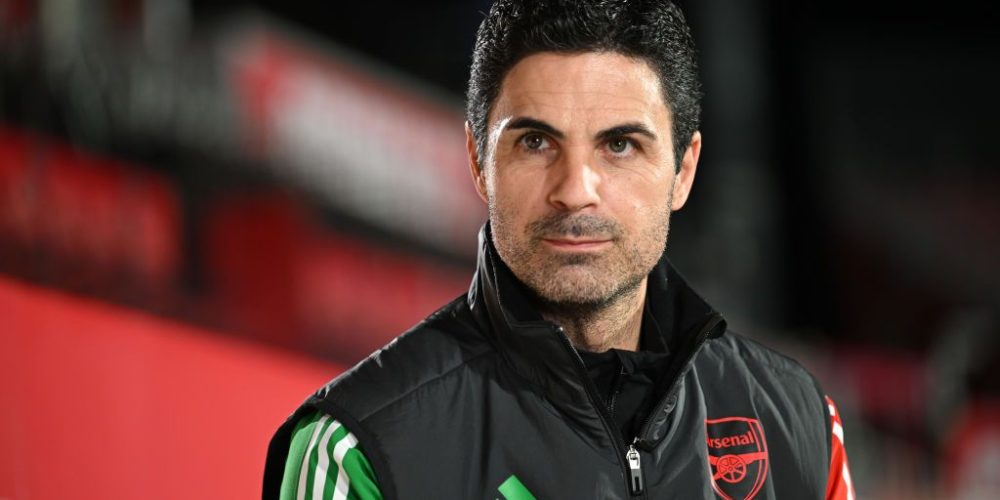
The manager’s reaction to the qualification was one of profound appreciation for his players’ commitment. Arteta noted that the achievement provides a “big boost” to the squad’s morale as they enter the final weeks of the season. This psychological edge is crucial, as the team must balance the high-intensity environment of European midweek fixtures with the relentless pressure of English top-flight football. The ability to rotate the squad effectively while maintaining a cohesive playing style has been the hallmark of Arsenal’s campaign this year.
Tactically, the Gunners have evolved into a side that can dictate tempo against the world’s best. By integrating world-class talent in the midfield and solidifying a defensive line that was once considered a liability, Arteta has created a balanced unit capable of winning ugly when necessary. This pragmatism was evident in the quarterfinal stages, where the team managed to navigate high-pressure moments without the defensive collapses that characterized previous continental exits.
The upcoming semifinal matchup presents a different kind of challenge, likely involving a tactical chess match against one of Europe’s traditional heavyweights. However, the mood within the Arsenal camp is one of quiet confidence. Players who were youngsters during the club’s previous European highs are now leading the charge, creating a bridge between the “Invincibles” era and the modern day. The belief within the dressing room is that they no longer belong in the competition just to participate, but to dominate.
As the London side prepares for the next leg of their journey, the focus remains on recovery and precision. The coaching staff has reportedly intensified their focus on sports science and data analytics to ensure the starting eleven remains fresh. With the eyes of the world on the Emirates Stadium, the pressure is immense, but the internal messaging from Arteta has been centered on enjoying the privilege of the pressure.
Why This Matters
For the American audience, Arsenal’s rise is particularly significant given the club’s deep ties to US sports culture and ownership. Soccer continues to grow at an exponential rate in the United States, and Arsenal remains one of the most supported international teams across the Atlantic. Their deep run in the Champions League provides a high-stakes narrative that captures the imagination of US fans, many of whom wake up in the early hours to follow the Gunners’ progress. This success helps solidify the Premier League’s brand as the premier entertainment product in global sports.
Beyond entertainment, the “Arsenal Model” serves as a case study for business leaders and sports executives in the US. It demonstrates the value of patience and long-term planning over the “win-now” mentality that often leads to organizational burnout. By sticking with a young manager and a specific philosophy, Arsenal has built a sustainable competitive advantage. For global readers, this story is a reminder that the hierarchy of European football is never static and that tradition can be revitalized through modern innovation and clear leadership.
NCN Analysis
Arsenal’s presence in the semifinals is not a fluke; it is the result of a calculated evolution. While they may not have the vast European experience of some of their rivals, their tactical flexibility makes them a nightmare to prepare for. We expect Arteta to lean heavily on his core leadership group to manage the emotional highs of the next round. The real test will be whether they can maintain their defensive structure when the opposition inevitably enjoys periods of sustained pressure.
Looking forward, this achievement makes Arsenal an even more attractive destination for elite global talent in the summer transfer window. Regardless of whether they lift the trophy this year, the “boost” Arteta refers to is institutional. They have reclaimed their seat at the top table, and that changes the way every other club in Europe perceives them. Watch for the Gunners to use this momentum to potentially pull off a historic “double” if they can navigate the fixture congestion effectively.
The era of Arsenal being a “nearly” team in Europe appears to be firmly in the rearview mirror.
Reported by the NCN Editorial Team









