

KEY POINTS
- The “National Fire” has scorched 25,000 acres in the Big Cypress National Preserve, prompting the temporary closure of the critical Alligator Alley highway.
- Record-breaking drought conditions now cover 100% of Florida, with nearly 70% of the state facing extreme level-4 drought severity.
- Thick smoke plumes have significantly reduced visibility on major travel routes, leading to hazardous driving warnings for the Naples and Miami regions.
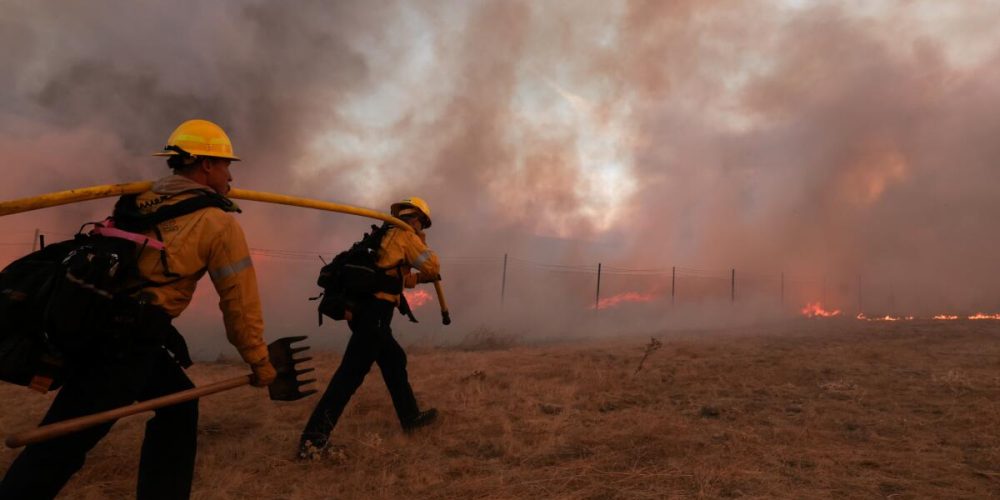
A massive wildfire in southwestern Florida has grown with such intensity that state officials were forced to shut down one of the region’s most vital transportation corridors. The blaze, designated as the National Fire, erupted within the Big Cypress National Preserve and quickly spread across the dry landscapes of the Everglades. By late February, the fire had consumed approximately 25,000 acres of vegetation. The rapid expansion of the flames sent dense, black smoke billowing across Interstate 75, commonly known as Alligator Alley, which serves as the primary link between the Gulf Coast and the Miami metropolitan area.
The highway closure occurred late Wednesday evening after visibility dropped to dangerous levels. Florida Highway Patrol troopers monitored the situation closely as smoke covered the roadway between Broward and Collier counties. While the interstate was reopened after roughly four hours, the National Weather Service in Miami continues to issue urgent alerts for travelers. Drivers using both Alligator Alley and the Tamiami Trail are being warned that smoke conditions can change in an instant, creating “white-out” conditions that make navigation nearly impossible at night.
This environmental crisis is the direct result of a punishing dry spell that has left the entire state of Florida in various stages of drought. Data from late February shows that 67% of the state is currently enduring extreme drought, a situation fueled by the 11th driest January-to-November period on record. The parched conditions have turned the usually lush Everglades into a tinderbox. Last year, several portions of the preserve dried up entirely, creating a massive accumulation of dry fuel that has allowed the current fire to explode in size within just a few days of ignition.
The scale of the National Fire is so significant that it has been captured by NOAA’s high-resolution satellites. Orbiting sensors tracked the fire’s heat signature and a sprawling smoke plume that stretched far beyond the initial burn zone. This satellite data highlights the volatility of the 2026 wildfire season, which has arrived much earlier than typical years. Since the start of January, the Florida Forest Service has already battled over 650 individual wildfires across the state, signaling a high-risk spring season ahead.
In response to the escalating danger, local governments have implemented strict burn bans in 34 counties. State officials and meteorologists warn that the risk will likely remain high until the summer rainy season begins. The current atmospheric setup lacks any significant rainfall triggers, meaning the dry vegetation will continue to serve as a high-octane fuel for any new sparks. Public health officials have also warned residents sensitive to poor air quality to remain indoors as smoke disperses into surrounding residential communities.
The National Fire serves as a stark reminder of the vulnerability of Florida’s natural ecosystems during prolonged dry cycles. For the residents of South Florida, the blaze is more than a natural disaster; it is a logistical nightmare that threatens the safety of daily commuters and international travelers alike. With the fire remaining largely uncontrolled, the focus for emergency responders has shifted toward containment and protecting major infrastructure from the encroaching flames.
As the state moves deeper into the spring, the interplay between extreme weather patterns and human safety remains a top priority. Travelers are encouraged to use official traffic apps and check for updated weather advisories before attempting to cross the state via Alligator Alley. For now, the combination of record-breaking drought and unyielding flames continues to keep Florida’s emergency services on high alert.









