

KEY POINTS
- FIFA’s head of refereeing firmly denied any official favoritism during Argentina’s narrow triumph over Egypt.
- The governing body defended the structural use of video review technology throughout the controversial fixture.
- Official match analysis concluded that all critical, game-altering decisions met strict international standards.
The governing body of global soccer has moved swiftly to quell a mounting controversy surrounding the officiating in Argentina’s recent victory over Egypt. FIFA’s refereeing chief issued a firm, public defense of the match officials, completely rejecting allegations that the South American powerhouse benefited from systemic or individual referee bias. The statement aims to restore confidence in the tournament’s integrity as fans and pundits globally continue to debate several highly contentions calls.
What You Need to Know
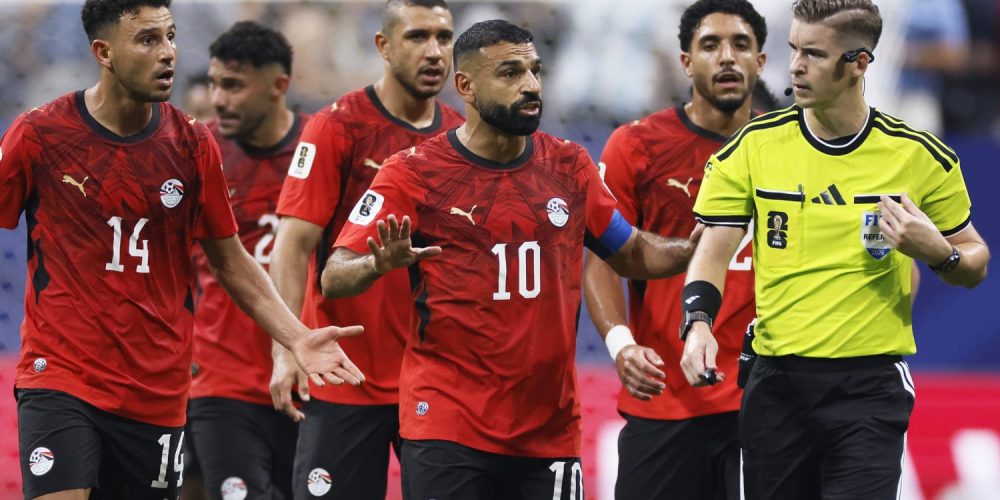
The match between Argentina and Egypt quickly turned into a pressure cooker, marked by intense physical play, tactical fouls, and several razor-thin penalty box incidents. Following Argentina’s narrow win, Egyptian players, coaching staff, and regional media voiced immense frustration over what they perceived as an uneven distribution of disciplinary fouls and crucial calls. The outcry quickly gained traction across social media platforms, putting immense pressure on FIFA to address the handling of the high-stakes fixture.
Accusations of favoritism toward traditional football powerhouses are not new in international tournaments, where smaller nations often feel margins tilt against them in critical moments. Egypt, boasting an organized and deeply passionate squad, fought valiantly against the reigning giants, making the ultimate sting of defeat even harder to swallow for their supporters. The fallout from the match threatened to overshadow the sporting achievements on the pitch, forcing governing officials to intervene.
In response, FIFA’s refereeing department conducted a comprehensive review of the match footage, examining the communication logs between the on-field official and the video assistant referee (VAR) room. The objective was to determine whether structural protocols were followed correctly and to ensure that no external or subjective biases influenced the final outcomes of the reviewed plays.
FIFA Defends Officiating Integrity Under Pressure
The central defense from FIFA relies heavily on the objective data gathered through the tournament’s advanced tracking and video monitoring systems. According to the refereeing chief, each major flashpoint during the match—including a disputed penalty claim and a critical second-half yellow card sequence—was handled precisely according to the established laws of the game. The governing body emphasized that the threshold for altering on-field decisions remains incredibly high to preserve the natural flow of the sport.
Addressing the specific claims raised by the Egyptian delegation, the chief noted that emotional intensity following a bitter tournament loss is natural, but it should not morph into unfounded attacks on official neutrality. The match officials selected for this fixture are among the most highly vetted and experienced professionals in global soccer, having undergone years of rigorous psychological and tactical training. FIFA reiterated that the nationality or prestige of competing teams plays absolutely zero role in how referees are evaluated or how game rules are enforced.
Furthermore, the administrative report highlighted that the VAR protocols functioned exactly as intended, providing clear, secondary angles to confirm the referee’s initial field view. The governing body hopes that laying out the procedural transparency will quiet the external noise, allowing the tournament to progress without a lingering cloud of skepticism hanging over subsequent rounds.
Why This Matters
For sports fans and analytical minds across the United States and the global English-speaking market, this flashpoint underscores the immense complications involved in policing modern soccer at its highest level. As the financial and cultural stakes of international tournaments skyrocket, every single whistle is magnified to an extraordinary degree, putting unprecedented pressure on human officials. The incident serves as a stark reminder that despite millions of dollars invested in video technology, the human element of sports officiating remains a source of endless debate and controversy.
For the growing American soccer audience, observing how FIFA navigates geopolitical sporting tensions provides valuable insight into the administrative complexities of the global game. As international tournaments continue to expand their commercial footprint into North America, establishing absolute faith in neutral officiating is paramount for maintaining casual viewer trust and long-term sponsorship valuation. The dispute highlights the ongoing struggle to balance technological intervention with the traditional authority of the match referee.
NCN Analysis
FIFA’s aggressive pushback against the bias claims is a necessary corporate defense mechanism, but it is unlikely to fully satisfy skeptical fans or the aggrieved Egyptian squad. By firmly shutting down the allegations, the refereeing chief is drawing a hard line to protect his staff from becoming the primary narrative of the tournament. However, the sheer volume of public outrage demonstrates that transparency in the VAR decision-making process still needs significant improvement to win over a frustrated public.
Moving forward, expect FIFA to subtly evaluate the assignments of the officiating crew involved to ensure that any lingering political or media tension does not impact future matches. For readers and analysts, the takeaway is clear: as long as subjective interpretations of physical contact exist within the rulebook, technology will never completely eliminate the human friction that makes international soccer beautifully chaotic.
The integrity of the whistle remains the most fragile asset in the sporting world.
Reported by the NCN Editorial Team









