

KEY POINTS
- National team strategists recognize the high-stakes encounter has the potential to become an instant tournament classic.
- Heavy anxiety surrounds the timing of the fixture, with camp officials lamenting that the high-profile showdown arrives too early in the tournament structure.
- Tactical preparations are intensifying as both technical units attempt to manage rising squad pressure and fan expectations.
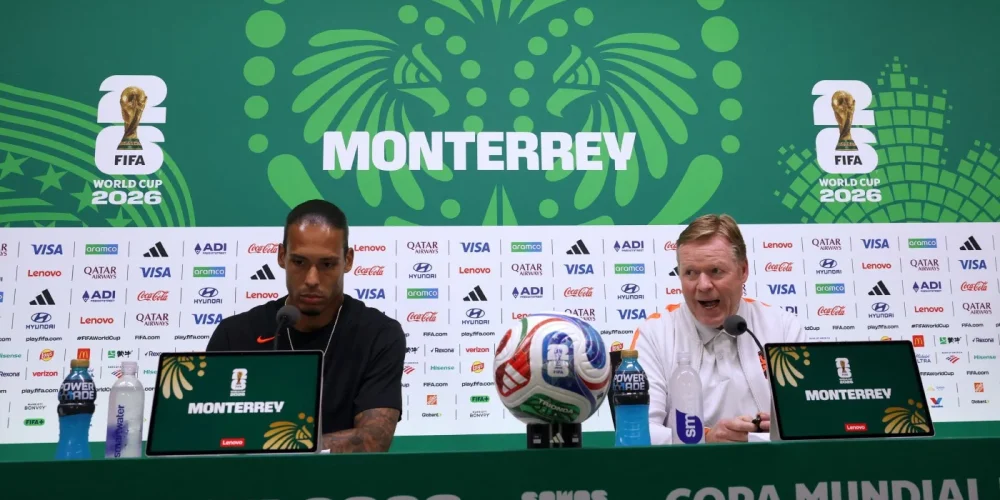
he knockout phases of the 2026 FIFA World Cup are yielding some of the most fiercely anticipated tactical battles in recent sporting history. As elite football nations navigate the elimination brackets across North America, a highly charged atmosphere has enveloped the Dutch camp ahead of their impending fixture. Technical staff and senior players from the Netherlands have openly projected that their upcoming collision with Morocco will deliver an absolute spectacle on the pitch, though they harbor lingering concerns that such a high-profile matchup is occurring prematurely in the bracket.
What You Need to Know
The tournament’s expanded knockout format has created an accelerated path to high-stakes drama, pairing global powerhouses much earlier than seen in traditional brackets. Under normal circumstances, legacy football programs are accustomed to a gradual ramping up of competitive intensity during the initial knockout rounds, often facing lower-ranked underdogs. Instead, the current tournament trajectories have forced an early-stage intersection between two of the most technically gifted and tactically distinct squads in international football.
The historical backdrop between the Netherlands and Morocco adds a complex layer of cultural and sporting narrative to the impending encounter. Both nations boast an incredibly rich footballing heritage, with deep cross-border ties resulting from shared player roots, dual-citizenship choices, and club-level relationships across European domestic leagues. This deep familiarity means that both teams possess intimate knowledge of their opponent’s structural vulnerabilities, eliminating the traditional element of tactical surprise usually seen in international tournament matchups.
Furthermore, Morocco enters the elimination contest riding a wave of multi-year momentum that has solidified their reputation as a premier force on the global stage. Having established a defensive template that systematically neutralizes elite attacking formations, the North African side presents a formidable roadblock for any title contender. For a Dutch side still fine-tuning its offensive chemistry and looking to build tactical consistency, drawing such a disciplined opponent at this specific juncture represents a massive administrative and sporting hurdle.
Anticipating a Knockout Masterclass
Within the Dutch camp, the collective mood shifts between immense sporting respect and genuine tactical caution. Senior leadership figures have publicly acknowledged that the stylistic clash will likely provide an expansive, fluid game that neutrals and global fans will thoroughly enjoy. The combination of Dutch total football philosophies and Morocco’s devastating transition speed creates a natural environment for a highly competitive, end-to-end tactical thriller.
However, the primary source of frustration stemming from the Netherlands’ technical staff relates directly to the timing of this knockout collision. Team strategists feel that a match of this caliber, featuring two squads completely capable of reaching the final weekend of the tournament, belongs in the quarterfinal or semifinal phases rather than an early bracket slot. The reality of the tournament draw dictates that one of these major international draws will be heading home far earlier than global audiences or sponsors anticipated.
On the training ground, the Dutch coaching staff has heavily focused on minimizing defensive lapses that could be exploited by Morocco’s rapid wingers. Squad sessions have emphasized rapid ball circulation and positional discipline designed to stretch a compact defensive block without exposing the backline to lethal counter-attacks. As the countdown to kickoff narrows, the physical conditioning and mental resilience of the players are being tested to their absolute limits under the heavy glare of global media scrutiny.
Why This Matters
For the American sporting audience and global broadcasting executives, this early-stage blockbuster serves as a massive proof of concept for the expanded World Cup model. While initial critics argued that adding more teams would lead to uninspiring matchups, the early collision of footballing giants creates unprecedented television viewership potential and stadium demand. This intense market interest validates the commercial strategy of placing highly competitive matches across premium North American venues during the early summer broadcasting windows.
Additionally, this high-stakes fixture carries profound cultural weight for the massive, diverse diaspora communities residing in host cities across the United States. Matches of this specific intensity act as massive cultural touchstones, drawing massive crowds to regional fan zones, commercial districts, and local hospitality establishments. The economic ripple effect of an international fixture of this magnitude extends far beyond ticket sales, illustrating how high-profile sporting dramas actively drive local consumer spending and civic engagement.
NCN Analysis
The lingering anxiety voiced by the Dutch camp is entirely justified when analyzing the raw mechanics of single-elimination tournament football. In a format where a single tactical error or refereeing decision can terminate a multi-year development cycle, drawing a peak-condition Moroccan squad this early is a worst-case scenario for a developing Dutch squad. The winner of this encounter will undoubtedly gain immense psychological momentum, but the physical toll required to survive the match could impact their long-term depth in later rounds.
Looking forward, football analysts should watch how both managers manage their squad rotations and tactical adjustments during the opening twenty minutes of play. If the Netherlands can establish early possession dominance and force Morocco out of their defensive comfort zone, they can control the tempo and mitigate the threat of transition play. Conversely, if Morocco successfully absorbs the initial wave of Dutch pressure, the frustration building within the European side could lead to the exact type of tactical openness that results in a shocking tournament exit.
The match promises to be an absolute showcase of modern elite football, capturing the exact blend of anxiety and excitement that defines the beautiful game.
Reported by the NCN Editorial Team









