

KEY POINTS
- Official weather forecasts of 90 degrees Fahrenheit are masking ground-level pavement temperatures soaring past 120 degrees due to the urban heat island effect.
- The sprawling infrastructure surrounding the primary stadium forces international visitors into dangerous, unprotected pedestrian treks across vast parking lots.
- Public health advocates and sports climate analysts are warning that vehicle-centric urban planning drastically multiplies heatstroke risks for traveling soccer enthusiasts.
The 2026 FIFA World Cup is delivering historic sporting spectacles across North America, but a silent environmental hazard is threatening the safety of thousands of international and domestic spectators. In the Dallas-Fort Worth metroplex, unsuspecting soccer fans arriving for tournament fixtures are confronting an intense, localized microclimate that significantly exceeds regional meteorological reports. As heavy summer heat waves blanket the central United States, the vast expanses of asphalt and concrete surrounding the primary match venue have effectively transformed the landscape into an unforgiving thermal corridor.
What You Need to Know
The phenomenon driving these extreme localized temperature spikes is known scientifically as the urban heat island effect. When vast rural plains or natural landscapes are replaced by dense, heat-retaining materials like dark asphalt, concrete walkways, and commercial roofing, the built environment acts like a massive battery that absorbs and stores solar radiation. During peak daylight hours, while standard atmospheric thermometers measuring air in the shade might record a manageable 90 degrees Fahrenheit, the actual thermal energy radiating from the ground can easily surge past 120 degrees, drastically intensifying physical strain on pedestrians.
For decades, the architectural evolution of the Dallas-Fort Worth metropolitan area has heavily prioritized automotive transit over pedestrian accessibility. This car-centric design philosophy has resulted in colossal, wide-open parking lots encircling major commercial hubs and sports arenas, leaving minimal room for natural shade trees, green canopies, or public cooling shelters. When global sports fans exit regional transit or rideshare drop-off zones, they are frequently forced to navigate long, exposed expanses of shimmering concrete to reach stadium entrances.
Compounding this environmental challenge is the demographic makeup of the traveling World Cup audience. Unlike local Texas residents who are deeply accustomed to severe summer weather patterns and instinctively limit their outdoor midday exposure, international visitors frequently lack acclimatization to southern humidity and intense solar radiation. Armed only with standard weather applications showing moderate ambient forecasts, many tourists set out on foot completely unaware of the intense heat radiating directly upward from the pavement beneath their feet.
Navigating the Concrete Corridor
The physical journey to the futuristic stadium has become a grueling test of endurance for fans clad in national jerseys. On match days, the relentless sun beats down on the unshaded asphalt parking grids, creating a shimmering wave of localized heat stress. Medical personnel and regional volunteers have had to scale up emergency response frameworks to monitor the thousands of pedestrians moving toward the turnstiles. Many fans have expressed surprise at the sheer distance required to travel across the parking sectors, noting that the physical environment feels significantly more hostile than the official weather reports implied.
Public safety agencies have frequently observed that traditional mitigation strategies, such as drinking standard amounts of water, are often insufficient when individuals are exposed to prolonged thermal radiation from the ground. The human body cools itself primarily through the evaporation of sweat, but when ambient humidity combines with extreme surface temperatures, natural thermoregulation is severely compromised. This dynamic places unprecedented pressure on stadium operations teams to establish pop-up hydration centers and temporary cooling tents along primary walking paths.
International fan groups, particularly those representing European or Asian nations currently playing matches in the region, are experiencing a stark cultural clash regarding transit expectations. In many global sporting hubs, stadiums are integrated directly into dense urban rail networks or surrounded by shaded parklands that facilitate comfortable foot travel. In North Texas, the vast scale of the suburban landscape forces a reliance on vehicular drops, which inadvertently strands large groups of moving spectators in massive, unshaded holding zones right outside the arena gates.
Why This Matters
The widening disconnect between official ambient weather forecasts and actual ground-level thermal realities highlights a critical vulnerability in modern sports tourism infrastructure. As metropolitan regions across the United States compete to host massive, multi-week international tournaments, municipal architects must realize that standard stadium design can no longer ignore escalating climate extremes. If future commercial developments continue to prioritize endless pavement over green infrastructure, American cities risk damaging their reputations as safe, world-class entertainment destinations capable of welcoming global audiences.
Furthermore, this regional climate challenge carries significant economic implications for the broader hospitality and tourism industries. When extreme localized heat forces consumers to abandon outdoor fan zones, community festivals, and local culinary districts, the projected economic windfall of hosting a global tournament is substantially minimized. Local small businesses rely heavily on foot traffic generated by wandering sports tourists; if the physical environment actively deters pedestrian exploration, the financial benefits of the World Cup remain strictly confined within the air-conditioned parameters of the corporate luxury suites.
NCN Analysis
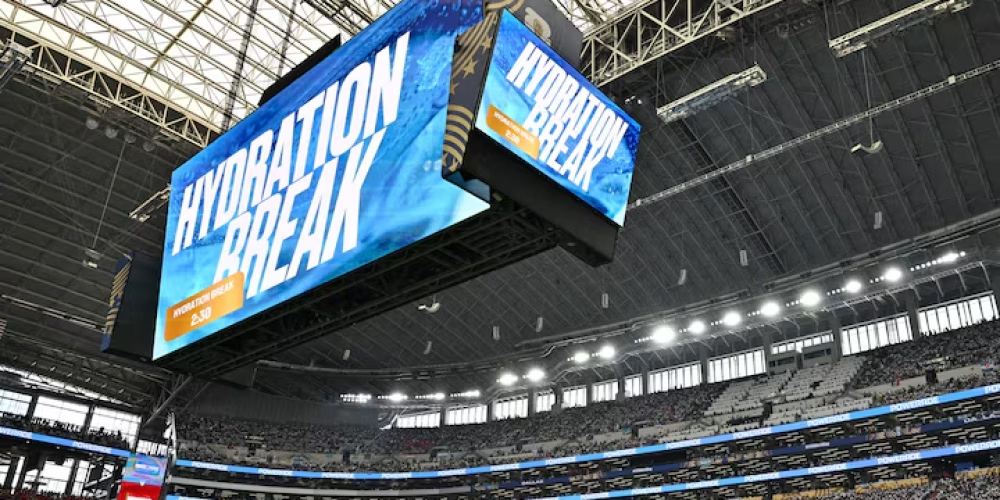
The operational challenges unfolding in Texas serve as a powerful warning for the international sports community and future tournament organizing committees. While governing bodies like FIFA have successfully implemented in-stadium climate controls and mandatory cooling breaks for elite athletes on the pitch, the external environment remains a dangerous regulatory blind spot. Safeguarding the physical well-being of hundreds of thousands of ticket holders moving outside the arena gates requires a fundamental reevaluation of how host cities manage crowd logistics during intense summer periods.
Looking forward, municipal planning commissions must actively treat urban heat mitigation as a core component of public safety infrastructure, rather than a secondary environmental initiative. This means mandating the installation of high-reflectivity pavements, expansive urban tree canopies, and permanent architectural shading structures around major entertainment districts. Until these structural transformations are implemented, sports fans traveling to vehicle-centric American metropolitan areas must learn to look past standard weather forecasts and prepare for the hidden climate realities of the concrete jungle.
Adapting to these hidden thermal hazards will ultimately determine whether major American cities can safely remain the premier destination for the world’s greatest sporting events.
Reported by the NCN Editorial Team









