

KEY POINTS
- Activist networks are organizing coordinated demonstrations outside the stadium hosting Iran’s first group stage match.
- Protesters aim to utilize the global media spotlight to spotlight systemic human rights violations occurring within the Middle Eastern nation.
- The planned demonstrations underscore the complex intersection of international sports entertainment and global political movements.
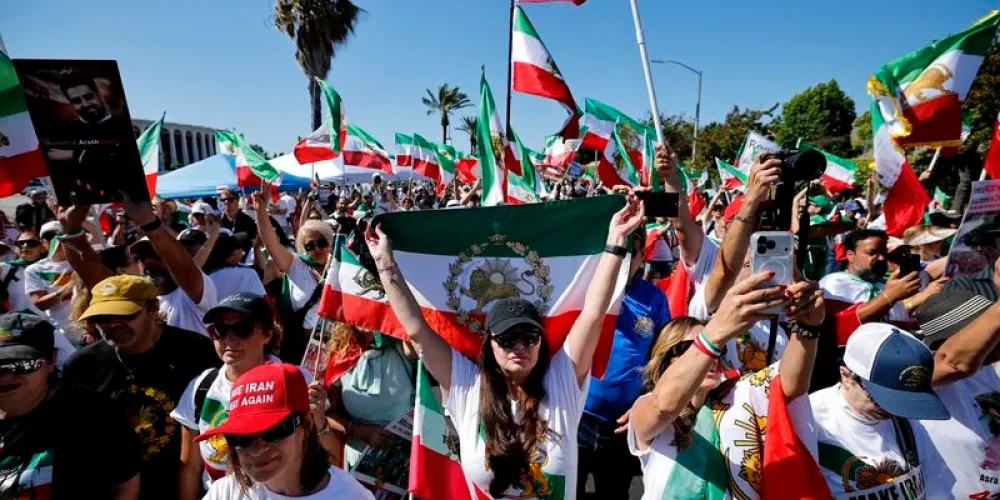
Coordinated human rights demonstrations are set to take place outside the stadium hosting the Iranian national football team’s opening match this week. Multiple Iranian-American activist organizations have confirmed plans to gather at the venue, transforming a major sporting event into a platform for political resistance. For soccer fans arriving for the highly anticipated tournament opener, the atmosphere outside the stadium gates will serve as a stark reminder of the deep-seated political tensions surrounding the team’s participation on the global stage.
What You Need to Know
The intersection of international sports and geopolitical friction has a long history, particularly regarding the Iranian national team, affectionately known as Team Melli. Over the past several tournament cycles, the team’s appearances have frequently been accompanied by civil demonstrations from diaspora communities. These movements have intensified in recent years following widespread civil unrest within Iran, driven by a domestic population demanding sweeping social and political reforms.
The Iranian-American diaspora represents a highly vocal and organized community that has consistently sought to draw Western attention to human rights abuses back home. By targeting the World Cup opening match, activists are leveraging an event that attracts tens of millions of global television viewers and thousands of international journalists. The primary objective is to ensure that the plight of political dissidents and suppressed social movements remains at the forefront of international news cycles.
Historically, the players representing Team Melli have been caught in an incredibly difficult position, facing intense pressure from both state authorities and passionate fans. During previous international tournaments, some squad members made subtle gestures of solidarity with domestic protesters, which generated significant controversy and intense scrutiny from government officials in Tehran. Managing the psychological weight of these external factors remains a recurring challenge for the team’s coaching and support staff.
Sports and Political Activism Converge Under the Global Spotlight
Organizers of the upcoming demonstrations have indicated that the protests will be strictly peaceful, focusing on visual messaging and coordinated chants outside the main security perimeter of the venue. Activists plan to distribute informational pamphlets, display massive banners highlighting domestic struggles, and wear symbolic apparel to ensure their message is visible to arriving fans and broadcasting crews. Security personnel at the stadium have been briefed on the planned gatherings to ensure public safety while respecting the demonstrators’ rights to free expression.
The timing of the protest is strategically aligned with the peak arrival window for international spectators, maximizing the visibility of the movement. Media coordinates indicate that multiple major news networks have already assigned production teams to cover the gatherings outside the turnstiles before the kickoff of the opening match. This high level of media interest guarantees that the political narrative will share significant airtime with standard pre-game athletic analysis.
Within the stadium, the atmosphere is expected to be highly charged, with a significant portion of the crowd consisting of diaspora members traveling from various parts of North America. During previous qualification matches, friction occasionally surfaced between different factions of fans holding opposing views on the current political regime. Stadium management teams have implemented comprehensive crowd-control measures to mitigate any potential conflicts inside the seating bowls, aiming to keep the focus primarily on the athletic competition once the whistle blows.
The coaching staff for the Iranian national team has consistently tried to shield the players from the unfolding political drama, emphasizing the importance of focusing entirely on their tactical preparations. Despite these efforts, the reality of the situation remains an inescapable backdrop as the squad completes its final training sessions ahead of taking the pitch for their crucial tournament opener.
Why This Matters
For casual viewers and sports fans residing in the United States, this situation highlights how modern athletic events are increasingly inseparable from broader global human rights conversations. The domestic soccer landscape has shifted dramatically, with major tournaments serving as mirrors for real-world social and political friction. American audiences are witnessing a unique scenario where the soccer pitch becomes a stage for international diplomacy and civil expression.
Furthermore, the presence of large-scale political demonstrations at high-profile sporting events challenges traditional tournament hosting frameworks. Municipal authorities, local law enforcement agencies, and commercial sponsors must navigate the delicate balance of preserving security while accommodating constitutional rights to peaceful assembly. The outcomes of these structural challenges will likely influence operational protocols for future massive entertainment and athletic gatherings across North American cities.
NCN Analysis
The planned protests ahead of the opening match ensure that Iran’s campaign will be one of the most heavily scrutinized narratives of the entire tournament. From an athletic standpoint, the immense psychological weight carried by the players could either act as a powerful unifying force or become a significant distraction on the pitch. How the veteran leadership group within the squad handles this unique pressure during the opening ninety minutes will dictate their competitive trajectory.
Looking ahead, international observers should watch how global governing bodies respond if players choose to display symbolic gestures during the national anthems or post-match interviews. While official regulations generally prohibit explicit political statements during competition, the sheer scale of the current movement makes strict enforcement incredibly complex. The intersection of sports culture and human rights advocacy will continue to evolve, setting important precedents for the relationship between global athletes and political expression.
The world watching the tournament opener will witness a powerful display of how the passion for sport can be utilized to amplify the voice of global citizenship.
Reported by the NCN Editorial Team









