KEY POINTS
- The FCC will vote April 30 on a proposal to ban all Chinese laboratories from certifying electronic devices for the U.S. market, expanding a prior rule that only targeted government-owned labs.
- Approximately 75% of electronics bound for American consumers are currently tested in China, making the potential disruption to certification pipelines significant for manufacturers and consumers alike.
- The proposal is part of a sweeping series of FCC actions against Chinese technology, including recent bans on Chinese drones, consumer routers, and telecom equipment imports.
The FCC Is About to Shut Chinese Labs Out of U.S. Electronics Certification
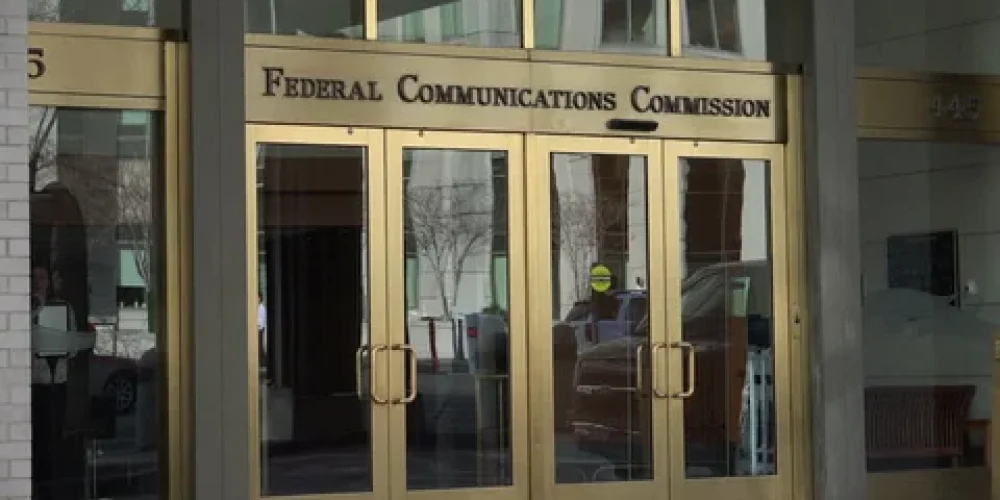
The Federal Communications Commission announced Wednesday it will vote this month on a sweeping proposal to block every Chinese laboratory from certifying electronic devices — from smartphones to baby monitors — for sale in the United States. The April 30 vote would initiate a formal rulemaking process, with public comment preceding any final prohibition. If finalized, the move would represent the most expansive action yet in Washington’s escalating technology standoff with Beijing.
What You Need to Know
Every electronic device that emits radio frequencies — a category that covers virtually every consumer gadget on the market — must be certified before it can be legally sold in the United States. That certification process involves independent testing labs that assess whether a device complies with FCC standards for emissions, interference, and safety. The FCC requires that only labs recognized by the agency can participate in this authorization process, and until now eligibility criteria focused on technical competence and impartiality rather than national security considerations.
The scale of China’s role in this system is striking. Roughly three-quarters of all electronics destined for the American market are currently tested in Chinese labs. That dominance has persisted even as Washington has spent years expressing alarm about Beijing’s reach into American technology infrastructure. The FCC’s proposal is a direct attempt to sever that dependency at the certification stage — before devices ever reach a store shelf.
These testing facilities have access to electronic device specifications, circuit designs, software code, and operational parameters during the certification process Compliance Testing — a level of technical intimacy that U.S. officials argue creates unacceptable intelligence and espionage risks. The concern is not merely theoretical: several of the labs currently authorized by the FCC have documented ties to Chinese state-owned enterprises, the People’s Liberation Army, and Beijing’s military-civil fusion apparatus.
FCC’s Chinese Lab Ban: A Widening Crackdown on Tech Security
Last year, the FCC moved to bar testing by labs owned or controlled by the Chinese government, resulting in 23 facilities being removed from its authorized list. That action, while significant, left the bulk of China’s testing industry intact. Private Chinese labs with indirect government links continued processing thousands of certification applications for U.S.-bound products. Wednesday’s announcement signals the FCC has concluded that partial measures are insufficient.
FCC Chairman Brendan Carr has been the driving force behind the expanded push. Carr has argued that the FCC’s equipment authorization process now includes national security checks, but that no rules on the books required the test labs conducting those reviews to themselves be trustworthy actors Compliance Testing — a gap the new proposal is designed to close. The proposal draws on security determinations already made by other parts of the federal government, including the Defense Department’s list of Chinese military companies and the Commerce Department’s Entity List.
Before the full ban takes effect, the FCC plans to separately vote on a streamlined approval process for devices tested in U.S. labs or in labs from countries that do not pose national security risks. That parallel track is intended to ease the transition for manufacturers who will need to reroute their certification pipelines away from China. The Chinese embassy in Washington had not commented publicly as of Wednesday.
The proposal is part of a broader series of FCC actions targeting Chinese technology this year. The agency banned imports of all new Chinese drone models in December, followed last month by a ban on new Chinese-made consumer routers. On Friday, the FCC also proposed barring imports of Chinese equipment from companies already on its national security “covered list” — including older models that had previously received authorization before a 2022 order blocked new approvals.
What This Means for Americans
For everyday American consumers, the immediate impact may not be visible at the checkout counter — but the downstream effects could be substantial. If manufacturers cannot quickly shift their testing operations to approved labs outside China, product launches could face delays and certification backlogs. Chinese-controlled labs currently manage an estimated $28 billion annual market in electronics certification services for U.S.-bound products Compliance Testing, and that capacity cannot be replicated overnight. Consumers shopping for smartphones, laptops, smart home devices, or wireless accessories could eventually see longer wait times for new product releases or upward price pressure as testing costs rise.
For American businesses — particularly tech companies that rely on Chinese manufacturing — the compliance challenge is immediate and complex. Companies will need to audit their supply chains, identify which labs are currently handling their device certifications, and establish new testing relationships with approved facilities. Firms that have built lean, cost-efficient certification pipelines through China will face real restructuring costs. At the same time, domestic testing labs stand to benefit significantly, and the FCC’s streamlined approval track for non-adversary labs suggests the agency is aware it needs to build alternative infrastructure, not just tear down the old one.
NCN Analysis
The FCC’s move is the clearest sign yet that Washington intends to treat electronics certification — not just manufacturing or sales — as a national security frontier. For years, policymakers focused on which companies made devices and who owned the networks carrying their data. The emerging consensus is that the testing and authorization phase presents an equally serious vulnerability: a foreign adversary with access to a device’s technical blueprints during certification has, in effect, a blueprint of America’s consumer technology ecosystem.
What to watch next: whether the April 30 vote advances the proposal as written, how the public comment period shapes the final rule, and whether allied nations move to harmonize their own certification standards with Washington’s new approach. The EU, UK, and others have been slower to restrict Chinese lab involvement — if the FCC’s ban proves effective without disrupting supply chains too severely, expect pressure to build on regulators in Brussels and London to follow suit. The battle over who gets to certify America’s electronics is just getting started.
The FCC’s April 30 vote marks a potential turning point in how the U.S. approaches technology supply chain security, with implications that stretch far beyond the lab and into every connected device in American homes.