KEY POINTS
- The United Nations cautioned that the widening Middle East war is depleting resources for global relief efforts.
- Rising transportation costs and blocked shipping lanes are delaying essential supplies to vulnerable populations.
- Officials fear a total collapse of aid networks if hostilities continue to spread across the region.
The United Nations issued a dire warning on Wednesday regarding the stability of international relief operations. Senior officials stated that the escalating conflict in the Middle East now threatens humanitarian aid on a global scale. As the war spreads, it creates a massive drain on the financial and logistical resources needed for crises elsewhere. The organization expressed deep concern that the world’s most vulnerable people will suffer as attention and funding shift toward the regional violence.
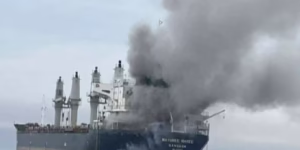
The disruption of major maritime trade routes has significantly hampered the delivery of food and medicine. Ships carrying life-saving supplies must now take longer, more expensive paths to avoid combat zones in the Red Sea and Arabian Sea. These delays increase costs and reduce the overall volume of aid that agencies can provide. UN leadership noted that several high-priority programs in Africa and Asia are already facing severe budget shortfalls due to these complications.
Beyond logistics, the intense focus on the Middle East has led to a decrease in voluntary contributions from donor nations. Many governments are redirecting their humanitarian budgets toward emergency response in the immediate war zone. This shift leaves long-standing aid missions without the necessary capital to function. The UN warned that neglecting these other regions could lead to preventable famines and disease outbreaks within months.
The safety of aid workers has also become a major obstacle for international organizations. Ongoing airstrikes and ground combat make it nearly impossible to reach communities trapped in the crossfire. Dozens of relief missions have been suspended or canceled because of the extreme physical risks involved. The UN called for all combatants to respect international law and allow for the safe passage of humanitarian personnel.
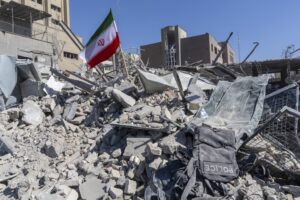
Technical experts pointed out that the destruction of local infrastructure further complicates the distribution of resources. Ports, bridges, and roads essential for moving aid have sustained heavy damage during recent bombardments. Repairing these facilities is currently impossible while active fighting continues. This breakdown in local logistics creates a bottleneck that prevents supplies from reaching those in desperate need.
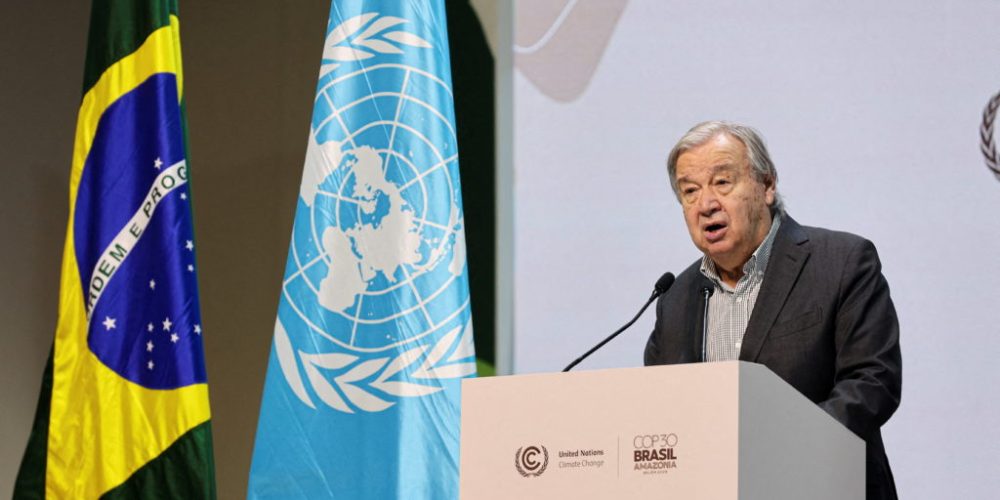
The Secretary-General urged world leaders to maintain their commitments to global stability. He emphasized that the international community must find a way to manage the current crisis without abandoning other humanitarian priorities. Failure to do so could result in a series of cascading disasters that extend far beyond the Middle East. The UN is seeking urgent emergency funding to stabilize its operations and protect its existing supply chains.
Member states are currently discussing the creation of protected corridors for aid shipments. However, reaching a consensus on the location and security of these routes remains a challenge. The diplomatic impasse continues to leave millions of people without access to basic necessities. Humanitarian agencies are preparing for a difficult year as they navigate these unprecedented obstacles.
The report concludes that the humanitarian system is reaching its breaking point. Without an immediate de-escalation of the conflict, the consequences for global security will be profound. The UN remains committed to its mission but admits that the current situation is unsustainable. Further appeals for international cooperation and financial support are expected in the coming days.