KEY POINTS
- Global powers Russia and China are refusing to intervene directly in the current Middle East escalation.
- Iranian leadership continues to launch military strikes despite lacking significant support from its traditional partners.
- International analysts suggest that Tehran’s strategic isolation has reached a critical turning point in the conflict.
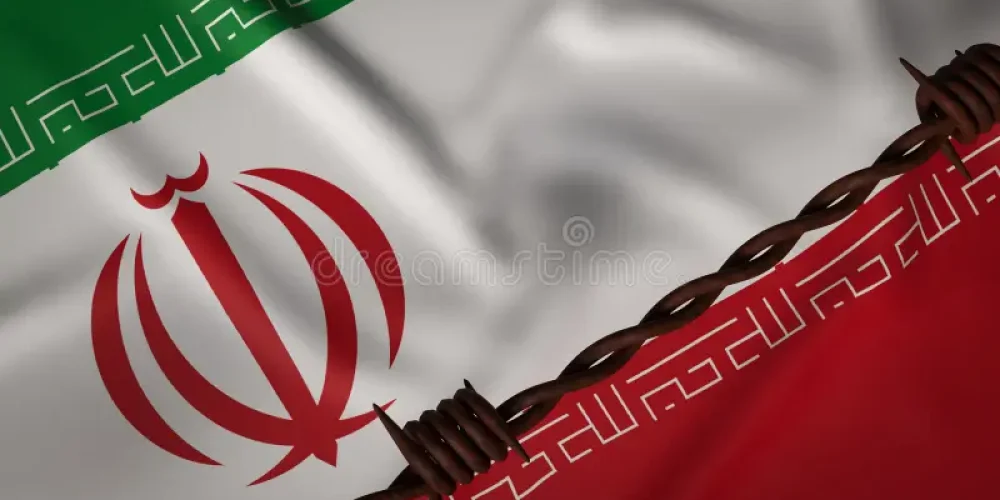
The Iranian government finds itself in an increasingly vulnerable position on the world stage this week. Recent military actions have triggered a massive response from Western forces and regional adversaries. Tehran continues to strike at various targets despite the heavy pressure. However, the most significant development is the silence from its most powerful friends.
Russia and China have historically served as the primary diplomatic and economic shields for the Islamic Republic. Both nations have often blocked international sanctions or provided critical military technology to Tehran. In the current crisis, these two superpowers are choosing to remain on the sidelines. They have avoided making any commitments to provide direct military assistance to the embattled regime.
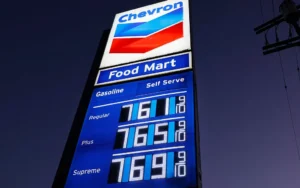
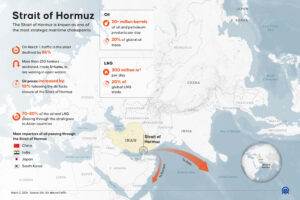
Chinese officials have limited their involvement to calls for general regional stability. Beijing relies heavily on the Middle East for its vast energy requirements. A prolonged war could devastate the global oil market and harm Chinese economic growth. Consequently, China is prioritizing its own financial health over the survival of the Iranian administration.
Russia is also currently preoccupied with its own ongoing military operations in Eastern Europe. The Kremlin lacks the resources or the desire to open a second front in the Middle East. While Moscow maintains a presence in Syria, it has not moved to defend Iranian assets. This lack of support leaves Iran without the high-tech air defense coverage it previously expected.
Internal Iranian politics are also reflecting the strain of this unprecedented geopolitical isolation. Some factions within the government are reportedly questioning the current aggressive military strategy. They worry that fighting alone against a superior coalition will lead to national ruin. These internal divisions could weaken the regime’s grip on power during the coming weeks.
Economic conditions inside Iran continue to deteriorate rapidly as the conflict expands. The national currency has plummeted in value, making basic goods unaffordable for many citizens. Without help from Beijing or Moscow, the government cannot easily bypass the strict international trade embargoes. This economic pressure is creating a new wave of domestic instability for the ruling elite.
Neighboring countries are also shifting their postures to reflect the changing balance of power. Several regional states that once feared Iranian influence are now coordinating more closely with Western allies. They view the current isolation of Tehran as an opportunity to permanently reduce its regional reach. This shift leaves Iran with very few reliable partners in its own backyard.
The international community is watching to see how the Iranian leadership will react to this abandonment. Some experts believe the isolation will eventually force the regime to the negotiating table. Others fear that a cornered government might take even more desperate and unpredictable military actions. For now, the world remains on high alert as the cycle of violence continues without an end.