KEY POINTS
- US allies in Asia fear a Middle East war will divert military attention from the Indo-Pacific.
- Leaders in Japan and Taiwan worry that depleted American munitions could weaken their own security.
- Analysts suggest China may exploit the distraction to increase its regional maritime and territorial pressure.
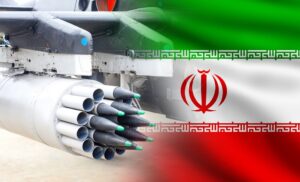
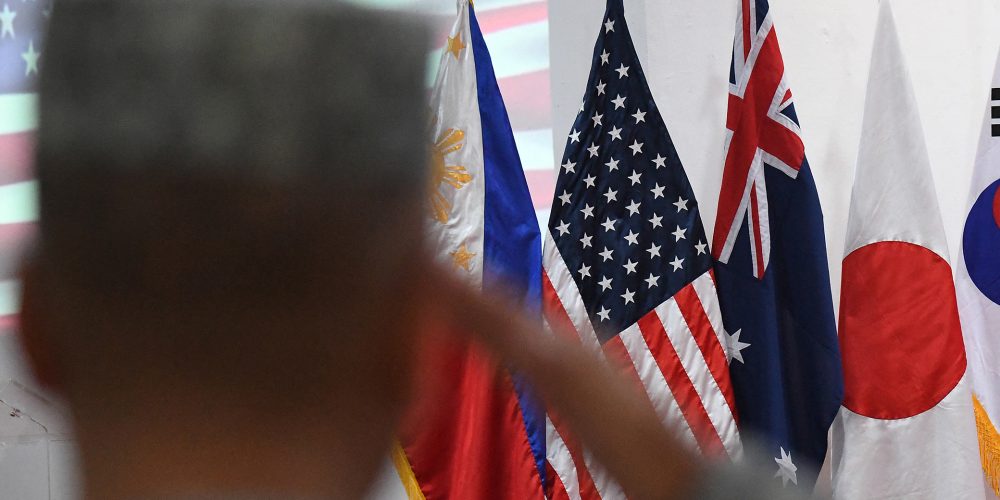
Government officials and military planners across Asia are voicing serious concerns regarding the current conflict in Iran. These nations fear that a sustained war in the Middle East will exhaust American military resources. Specifically, allies like Japan and Taiwan worry about the availability of critical defense hardware and munitions. They believe the United States cannot effectively manage two major security crises at the same time.
The Trump administration has consistently emphasized the importance of the Indo-Pacific region in its global strategy. However, the sudden escalation of hostilities with Iran has forced a shift in immediate military priorities. Logistics experts point out that the US has limited stockpiles of long-range missiles and advanced air defenses. If these supplies go to the Middle East, Asian partners may face a dangerous shortage.
Tokyo and Taipei are closely monitoring the deployment of American naval assets and carrier strike groups. Many of these high-value ships are now moving toward the Gulf to protect international shipping lanes. This movement leaves a visible vacuum in the South China Sea and the Taiwan Strait. Allies worry this temporary absence invites aggressive maneuvers from the Chinese People’s Liberation Army.
Diplomatic sources suggest that Beijing is carefully observing how the United States balances these competing demands. Some analysts argue that China could use this distraction to accelerate its own regional territorial claims. By increasing pressure on its neighbors now, China may test the limits of American security commitments. This possibility creates an atmosphere of deep uncertainty for democratic nations throughout East Asia.
The economic impact of a wider war also weighs heavily on the minds of Asian leaders. Most countries in the region rely on stable energy flows through the Middle East for their industrial survival. A major disruption in oil and gas exports would trigger a severe economic downturn across Asia. This vulnerability adds a layer of financial fear to the existing military and security anxieties.
Proponents of the “America First” policy argue that the US must prioritize its immediate national interests. However, Asian partners contend that a weakened presence in their region undermines global stability for everyone. They are calling for clearer assurances that the US will maintain its current defense posture in Asia. Without these guarantees, some nations may feel compelled to seek alternative security arrangements or increase spending.
The current situation highlights the inherent risks of a global superpower managing multiple flashpoints simultaneously. While the Middle East demands urgent attention, the long-term competition with China remains the primary strategic challenge. Allies fear that a short-term focus on Iran will result in a permanent loss of influence in Asia. They continue to urge Washington to maintain a balanced approach despite the pressure.
As the conflict progresses, the pressure on the US defense industrial base will likely become a central issue. Rebuilding depleted stockpiles takes significant time and investment that cannot be bypassed during an active war. Asian allies remain hopeful for a swift resolution to the Iran crisis to restore focus to their region. For now, they must navigate an increasingly complex and dangerous geopolitical landscape.