KEY POINTS
- Formula One is launching its most significant regulatory overhaul in decades for the 2026 season.
- The Drag Reduction System (DRS) will be replaced by active aerodynamics and a new manual boost mode.
- Power units will move to a 50/50 split between electric and internal combustion energy.
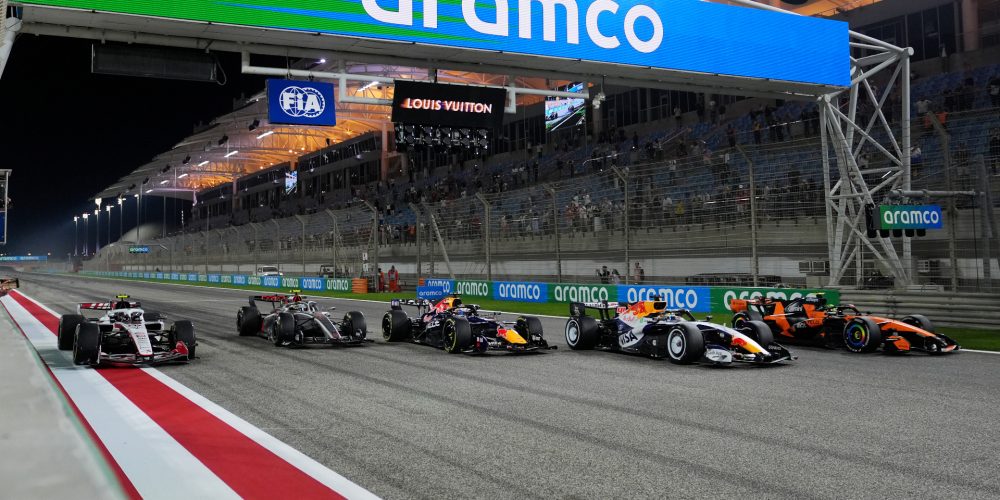
The 2026 Formula One season marks the beginning of a transformative era for global motor racing. Comprehensive changes to both engine and chassis regulations aim to create closer competition and improve sustainability. These updates represent the largest combined technical reset in the history of the sport. Fans can expect cars that are visibly smaller, lighter, and more agile than the previous generation.
One of the most drastic shifts involves the removal of the long-standing Drag Reduction System. In its place, Formula One is introducing active aerodynamics across both the front and rear wings. Drivers will now have the ability to switch between high-downforce and low-drag modes on every lap. This system is designed to provide better grip during cornering while maximizing top speeds on straights.
To promote wheel-to-wheel racing, the sport is introducing a new driver-operated overtake mode. This manual override provides an extra electrical boost when a car is within one second of a rival. Unlike the old system, this power surge is managed directly by the driver rather than through static zones. This change puts more strategic responsibility into the hands of the individuals behind the wheel.
The 2026 power units will feature an even split between electric power and internal combustion energy. Engineers have removed the complex heat energy recovery system to simplify the technology for new manufacturers. The kinetic energy recovery system will now produce nearly triple the electrical output of previous years. Furthermore, all cars will run on 100 percent advanced sustainable fuels to reduce the sport’s carbon footprint.
Physical dimensions for the new cars have been reduced to encourage better racing on tight street circuits. The wheelbase is 200 millimeters shorter, and the overall width has been trimmed by 100 millimeters. These adjustments, combined with narrower tires, result in a minimum weight reduction of approximately 30 kilograms. This “nimble car” concept is intended to make the machines more responsive and easier to handle in traffic.
The manufacturer landscape is also expanding as part of this new technological chapter. Red Bull will debut its own power unit in partnership with Ford, ending its long reliance on external suppliers. Audi joins the grid as a full works team, while Honda moves into an exclusive partnership with Aston Martin. These entries signal a growing interest from major automotive brands in Formula One’s new direction.
Safety remains a primary focus of the 2026 regulations despite the emphasis on weight saving. The FIA has introduced more rigorous crash tests and a strengthened roll hoop structure for better protection. New safety lights on the side of the cars will also indicate the status of the electrical systems. These features ensure that marshals and drivers remain safe when dealing with high-voltage hybrid components.
As the season fires up in Melbourne, the competitive order remains highly unpredictable. Defending champion Lando Norris will look to protect his title against a field navigating entirely new machinery. The combination of active control and energy management will likely define the championship battle. This new era promises a more tactical and environmentally conscious future for the pinnacle of motorsport.