KEY POINTS
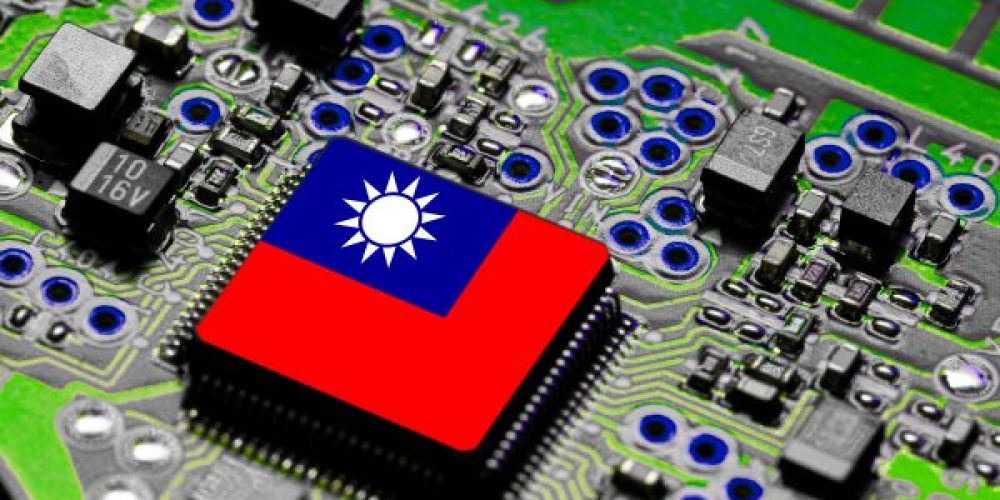
- Taiwan’s Vice Premier Cheng Li-chiun stated that moving 40% of the island’s chip manufacturing to the U.S. is “impossible” due to the complex domestic ecosystem.
- The pushback comes after U.S. Commerce Secretary Howard Lutnick called for a massive shift in production to protect against supply chain risks near China.
- While Taiwan will expand its U.S. presence, the government insists that its primary manufacturing hubs and advanced science parks will remain rooted at home.
Taiwan’s government has issued a firm refusal regarding American requests to relocate a massive portion of its semiconductor manufacturing. Vice Premier Cheng Li-chiun addressed the proposal during a television interview on Sunday, calling the 40 percent shift “impossible.” She emphasized that the island’s tech ecosystem cannot be simply uprooted.
This response follows recent statements by U.S. Commerce Secretary Howard Lutnick. Lutnick argued that having the majority of global chip production located just 80 miles from China is “illogical.” The American administration has set a goal to secure a 40 percent market share in leading-edge manufacturing.
Cheng clarified that Taiwan’s semiconductor industry has been built over decades through highly integrated clusters. These science parks and production facilities rely on a specialized domestic supply chain that is unique to the island. Moving such a large percentage would dismantle the efficiency and innovation driving the global tech market.
Despite the refusal to relocate existing hubs, Taiwan is willing to increase its foreign investments. The island recently reached a deal with Washington to lower export tariffs to 15 percent. Part of this agreement includes a pledge for Taiwanese firms to invest at least $250 billion in the United States.
However, Cheng maintained that any international expansion must be based on remaining “firmly rooted” in Taiwan. She noted that domestic capacity is expected to grow alongside foreign projects rather than being replaced by them. The government intends to keep advanced research and the bulk of manufacturing within its borders.
The U.S. administration has previously hinted at significant consequences if production does not shift. Secretary Lutnick recently suggested that tariffs on Taiwanese goods could rise as high as 100 percent. Despite these pressures, Taiwanese officials argue that their “silicon shield” is vital for national security and global stability.
Taiwan is open to sharing its expertise in building industry clusters to help the U.S. develop its own environment. However, the government remains confident that its domestic capacity will far exceed its investments in any other country. The dialogue highlights the ongoing tension between U.S. national security goals and Taiwan’s economic interests.