

Key Points
- Everyman’s chief executive resigned shortly after the company cut revenue and earnings forecasts.
- Increased competition has reduced the cinema chain’s premium advantage.
- Private equity ownership could influence a potential strategic reset or buyout.
The chief executive of UK cinema operator Everyman Media Group has stepped down abruptly, only weeks after the company warned that its financial performance had fallen short of expectations. The surprise leadership change has raised fresh questions about the future direction of the upmarket cinema chain, which operates dozens of venues across the country.
Everyman confirmed that Alex Scrimgeour left his role with immediate effect. The board appointed non-executive director Farah Golant as interim chief executive while the company searches for a permanent replacement. The announcement followed a difficult trading update earlier in December that rattled investors and triggered a sharp sell-off in the company’s shares.
Less than three weeks before Scrimgeour’s departure, Everyman lowered its outlook for the year, citing weaker-than-expected trading during a crucial period. The update cut projected revenue and earnings, wiping roughly one-fifth off the company’s market value in a single day. That setback intensified scrutiny on management and the group’s ability to stand out in a competitive cinema market.
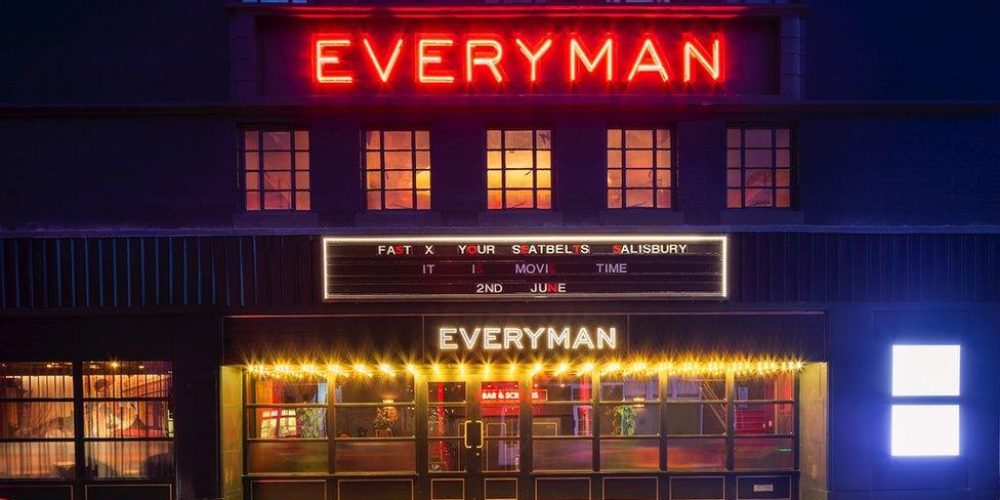
Everyman operates 49 cinemas across the UK and has built its brand around luxury seating, in-seat food service, and premium menus. The company positioned itself as a more refined alternative to traditional multiplexes, aiming to attract audiences willing to pay more for comfort and experience rather than ticket price alone.
Scrimgeour joined Everyman in early 2021 after leading restaurant group Côte Brasserie for several years. His tenure began during an especially turbulent period for hospitality and entertainment businesses, with the cinema industry still recovering from pandemic shutdowns and shifting consumer habits.
In its recent trading statement, Everyman said late-year performance did not meet expectations. The company now forecasts annual revenue of £114.5 million and underlying earnings of at least £16.8 million. Both figures represent a notable downgrade from earlier guidance issued to investors.
Despite the disappointing numbers, the company’s chair credited Scrimgeour for helping guide the business through the post-pandemic recovery. During his time in charge, revenues more than doubled as cinemas reopened and audiences gradually returned to theatres.
Market analysts, however, offered a less generous assessment. Some pointed out that Everyman’s share price fell sharply during Scrimgeour’s leadership, reflecting broader investor concerns about growth, margins, and competitive pressure. Analysts noted that rivals have increasingly copied Everyman’s premium features, eroding its once-distinct market position.
Major cinema chains such as Vue and Odeon have rolled out reclining seats, upgraded food options, and expanded in-house bars. These changes have narrowed the gap between mass-market cinemas and Everyman’s luxury offering, making differentiation harder to maintain.
Industry observers also suggested that private equity interest could shape the company’s next chapter. Blue Coast Private Equity, which owns nearly a third of Everyman, may consider taking the business private to pursue a turnaround away from public market scrutiny.
For now, investors and customers will watch closely as interim leadership takes charge. The company faces the challenge of restoring confidence, improving performance, and redefining its premium appeal in a market that has become far more crowded.









