

KEY POINTS
- A partial federal government shutdown began on Saturday, January 31, after lawmakers failed to meet a critical funding deadline.
- TSA officers and air traffic controllers are classified as essential staff and must work without pay during the funding lapse.
- Travel experts warn of potential security lane closures and flight schedule disruptions if the standoff continues into next week.
The United States federal government entered a partial shutdown early Saturday morning after Congress missed a midnight deadline to fund several key agencies. This funding gap primarily impacts the Department of Homeland Security and the Department of Transportation. While most travelers will not see an immediate halt to aviation services, the lapse creates significant operational challenges for the nation’s transit hubs.
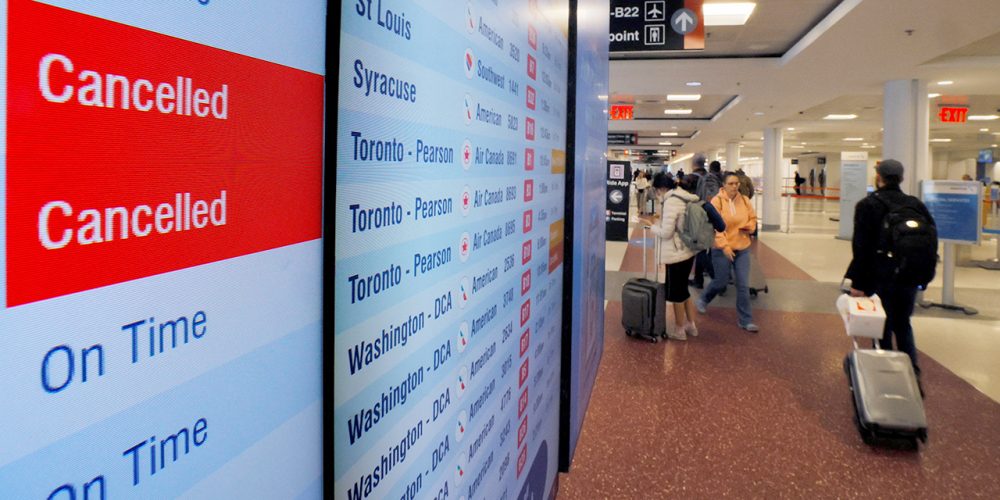
Airports remain open and flights continue to depart as scheduled across the country. However, the employees responsible for safety and security are now working without a guaranteed paycheck. This includes thousands of Transportation Security Administration officers and Federal Aviation Administration air traffic controllers. These workers will receive retroactive pay once a funding deal is reached, but the lack of immediate wages often leads to staffing shortages.
Historically, prolonged shutdowns have caused an increase in unscheduled absences among federal airport staff. During similar events in the past, TSA agents reported higher call-out rates due to financial hardship. Such shortages can force the closure of specific security checkpoints or lead to significantly longer wait times for passengers. Travelers should plan to arrive at terminals much earlier than usual to account for these potential bottlenecks.
Air traffic control also faces strain during these periods of political gridlock. While the system remains safe, a reduction in available controllers can lead to managed traffic slowdowns. This often results in rippling delays that affect major hubs and connecting flights. Airlines are closely monitoring the situation and may offer flexible rebooking options if the shutdown extends beyond a few days.
Other travel-related services may experience more direct interruptions during the funding lapse. While the Department of State typically continues to process passports using fee-based revenue, some regional offices located in federal buildings could close. Additionally, the Department of Homeland Security has suspended new applications for certain trusted traveler programs like Global Entry. Existing TSA PreCheck members are generally unaffected, though enrollment centers may see reduced hours.
National leaders have expressed hope that this shutdown will be brief. The Senate has already signaled support for a temporary extension, but the House of Representatives must still vote on the measure. Until a bill reaches the president’s desk, the aviation industry remains in a state of high alert. Passengers are encouraged to download airline apps for real-time updates and check their flight status frequently before leaving for the airport.









