KEY POINTS
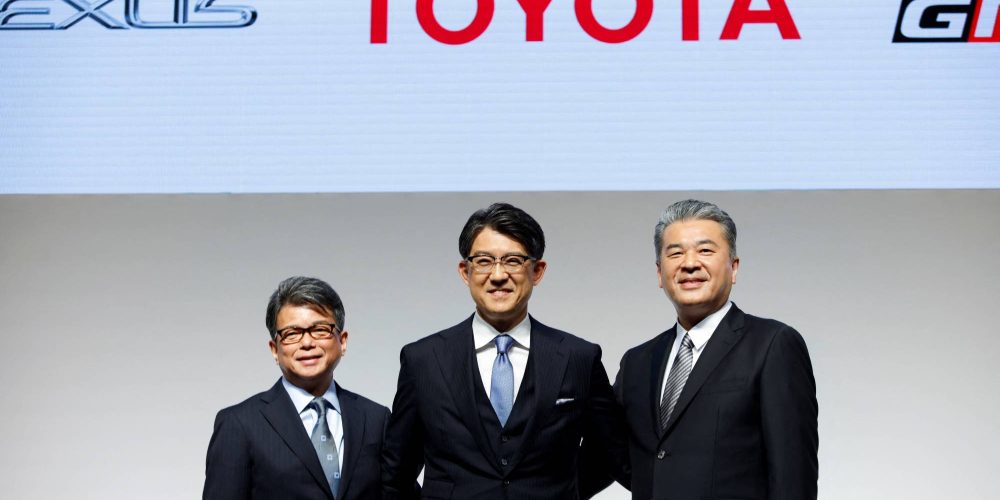
- Kenta Kon, the current CFO, will succeed Koji Sato as Toyota’s CEO and President on April 1.
- Outgoing CEO Koji Sato will transition to the newly created role of Chief Industry Officer and Vice Chairman.
- The leadership shift aims to accelerate decision-making and enhance the company’s internal management.
Toyota Motor Corporation has announced a major leadership reshuffle that will see its finance chief take the top job. Kenta Kon, the company’s current Chief Financial Officer, will become the next President and CEO starting April 1. This change comes after only three years of leadership under the current head, Koji Sato.
The move surprised many industry analysts given Toyota’s recent financial success and record-breaking sales. During Sato’s tenure, the company’s stock price significantly outperformed the broader Japanese market. However, the automaker continues to face intense pressure from fast-moving rivals, particularly electric vehicle manufacturers in China.
Kenta Kon is a long-time veteran who joined the world’s largest automaker back in 1991. He is known for his strict cost-management strategies and his deep ties to the founding Toyoda family. Kon previously served as a secretary to Chairman Akio Toyoda for nearly a decade.
Outgoing CEO Koji Sato will not be leaving the company entirely. Instead, he will assume the newly established position of Chief Industry Officer. In this role, Sato will focus on broader industry collaboration and strengthening international competitiveness. He will also serve as the company’s Vice Chairman.
The restructuring is designed to split leadership responsibilities to better handle current industry disruptions. Kon will focus on internal company management and improving the earnings structure. Meanwhile, Sato will handle external relations and the transition toward a mobility-focused future.
Toyota stated that this change is intended to accelerate management decision-making across the board. The company wants a structure that can respond more quickly to a rapidly changing global environment. This includes navigating complex trade tariffs and the ongoing shift to sustainable energy.
The announcement coincided with Toyota’s third-quarter earnings report, which showed strong performance. The automaker raised its full-year operating profit forecast by nearly 12%. A weaker Japanese yen and effective cost-cutting measures contributed to this optimistic outlook.
Kon is also viewed as a key figure in the planned buyout of subsidiary Toyota Industries. Some minority shareholders have criticized that deal for a lack of transparency. His appointment may signal a push for tighter integration within the broader Toyota group.
While Toyota has been criticized for its slow transition to battery electric vehicles, its hybrid strategy has paid off. The company remains the global leader in sales, benefiting from high demand for gasoline-electric models. Kon will be tasked with maintaining this momentum while closing the software gap with competitors.
Investors responded positively to the news of the leadership change and strong earnings. Toyota’s shares in Tokyo rose by 2% following the announcement. The company’s future strategy will likely continue to emphasize a diverse range of power sources rather than focusing solely on electric cars.