

Key Points:
- Twenty-five years after its initial exposé, the industrial food system has grown more profitable yet more hazardous.
- Concentrated livestock farming poses significant global health risks, including the potential for devastating viral pandemics.
- The modern diet remains dominated by ultra-processed foods that drive global health crises and environmental degradation.
A quarter century ago, investigative journalist Eric Schlosser exposed the hidden machinery of the industrial food complex. His seminal work revealed the unsettling practices behind global meat and dairy production. Today, a new assessment suggests that the influence and dangers of these corporate giants have only intensified.
The industrialization of food has transformed the global landscape since the turn of the millennium. Mass-produced meat and milk now dominate diets across every continent. While corporate profits have reached record highs, the associated risks to public health continue to grow. Our modern food system remains a powerful and often destructive force.
One of the most pressing concerns involves the rapid spread of diseases within factory farms. Highly crowded conditions provide a perfect breeding ground for viral outbreaks. Bird flu serves as a terrifying example of how industrial farming can threaten global safety. These environmental pressures create a constant risk for new and more dangerous pathogens.
The environmental impact of mass-market food production also remains a critical issue for the planet. Large-scale livestock operations consume vast amounts of water and contribute significantly to carbon emissions. The relentless drive for cheaper calories has often come at the expense of ecological stability. We are currently living with the long-term consequences of these choices.
Working conditions within the meatpacking industry have faced renewed scrutiny over the last decade. Many employees still work in high-speed, dangerous environments for low wages. The system relies heavily on vulnerable labor to keep prices artificially low for consumers. These structural problems persist despite decades of public outcry and calls for reform.
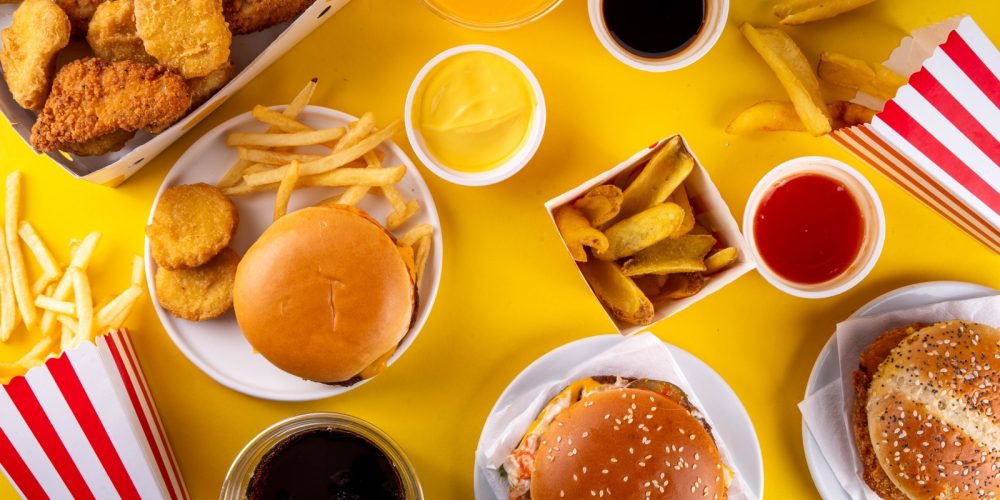
The global obesity crisis also shares deep roots with the rise of the fast food nation. Ultra-processed meals are now cheaper and more accessible than fresh, nutritious ingredients. This shift has led to a surge in chronic health conditions like diabetes and heart disease. The economic burden of these illnesses falls heavily on national healthcare systems.
Technological advancements in food science have allowed corporations to manipulate flavors and textures with precision. These innovations make mass-produced food highly addictive and difficult for consumers to resist. The industry uses sophisticated marketing to target younger generations and build lifelong brand loyalty. This psychological influence shapes the eating habits of billions.
Efforts to regulate the industry often face massive pushback from powerful corporate lobbyists. These groups work tirelessly to weaken safety standards and prevent transparency in the supply chain. The sheer scale of these businesses makes them difficult for individual governments to control effectively. This imbalance of power remains a significant hurdle for advocates of food justice.
Despite these challenges, some consumers are beginning to demand more ethical and sustainable alternatives. The rise of plant-based proteins and local farming initiatives offers a glimmer of hope. However, these movements still represent only a small fraction of the total food market. The industrial giant remains firmly in control of the global menu.
We must confront the reality that our convenience comes at a very high price. Reforming the system requires a total rethink of how we value nutrition and environment. The legacy of the fast food nation is not just about what we eat. It is about the kind of world we are willing to build.









