KEY POINTS
- Exceptional rainfall from Storm Chandra has inundated nature reserves, destroying vital wintering and nesting habitats.
- Conservationists warn that scavengers like crows are the only species benefiting from the mass loss of small mammals.
- Experts emphasize that restoring wetlands and reintroducing beavers are critical for long-term flood resilience and ecosystem protection.
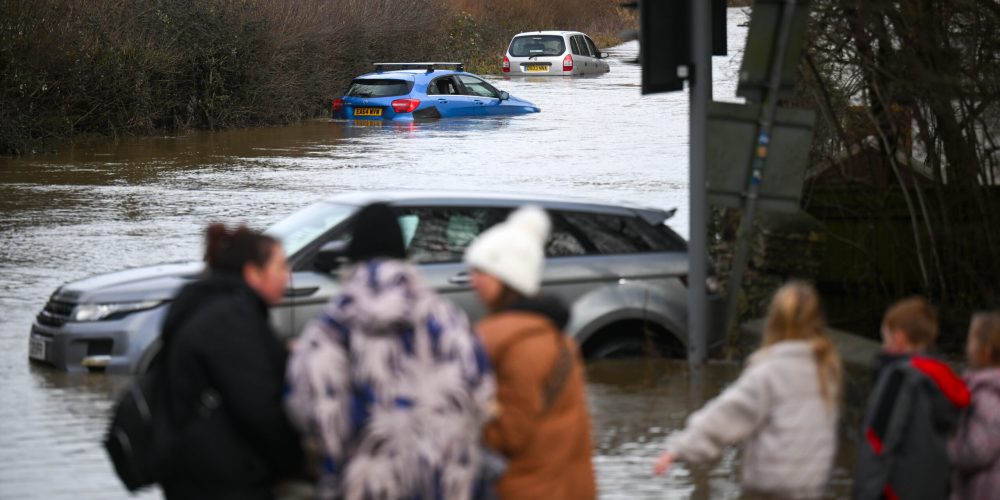
Storm Chandra has left a trail of environmental destruction across the United Kingdom following record-breaking January rainfall. Conservationists are now raising the alarm over the “apocalyptic” impact on local ecosystems and vulnerable species. In many regions, the deluge has completely submerged nature reserves, turning once-thriving habitats into vast lakes. The Devon Wildlife Trust reports that the scale of the flooding is catastrophic for land-based animals.
The rising waters have taken a heavy toll on small mammals like dormice and hedgehogs. These creatures are often unable to escape fast-moving floodwaters while in hibernation or seeking winter shelter. As the waters recede, experts expect a grim scene of carrion across the landscape. Scavenger species, such as crows and ravens, are currently the only animals finding a silver lining in the disaster.
Insect populations also face severe setbacks that could ripple through the entire food chain. Eggs and larvae belonging to various butterfly and bee species have likely been washed away by the torrents. This loss poses a direct threat to birds like blue tits, which rely on caterpillars to feed their chicks in spring. The destruction of wildflowers further complicates the recovery for pollinators and the animals that depend on them.
River systems have been pushed to their limits, with the River Otter in Devon hitting record levels. While the flooding is devastating in the short term, environmentalists point to nature as a potential solution. They argue that the UK has lost 90 percent of its wetlands over the last century. Restoring these natural sponges could help absorb future surges and prevent such widespread wildlife loss.
Beavers are also being highlighted as essential “ecosystem engineers” in the fight against climate-driven weather. Their dams help slow the flow of water and create resilient pond networks. However, experts note that beavers alone cannot fix the problem during extreme events like Storm Chandra. A broader strategy involving tree planting and improved soil health is necessary to protect both humans and wildlife.
As the UK faces more frequent and intense storms, the robustness of its natural world remains under threat. The long-term consequences of these “danger to life” floods are still being calculated by field researchers. For now, the focus remains on surveying the damage and finding ways to build a more resilient landscape. Protecting the remaining wildlife requires a fundamental shift in how the nation manages its water and land.