Key Points:
- Traveling by train to the French Alps reduces a traveler’s carbon footprint by over 95% compared to flying.
- High-altitude resorts like Les Arcs prioritize sustainability by limiting artificial snow production and utilizing hydroelectric power.
- Families can minimize waste and costs by using specialized rental services for high-performance ski clothing and equipment.
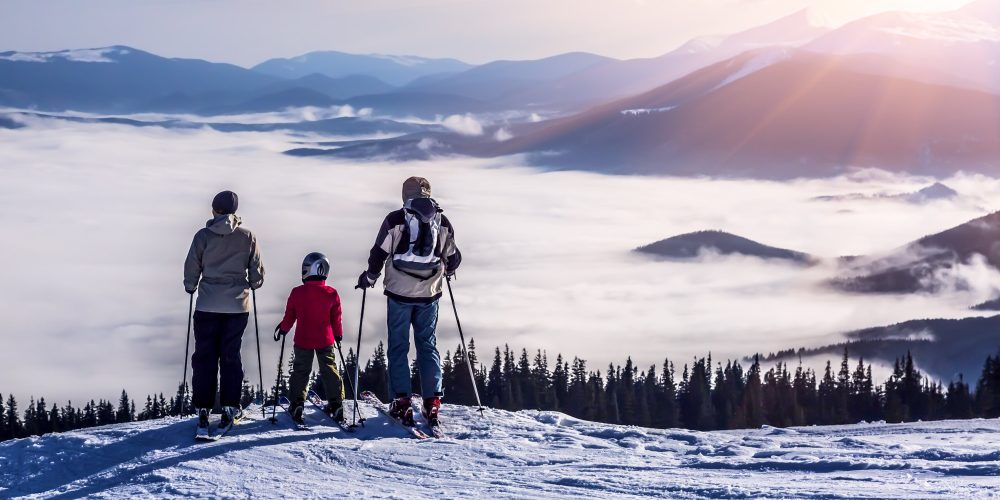
Sustainable travel is becoming a priority for families who love the mountains but fear the environmental cost of traditional skiing. A recent report highlights Les Arcs in the French Alps as a leading destination for eco-conscious winter sports. By making specific choices regarding transport, kit, and location, families can enjoy the snow without leaving a heavy carbon footprint.
The journey begins with the decision to swap planes for trains. Taking the Eurostar Snow train from London to the Alps is the single most effective way to go green. Research shows that a train journey emits only about 4.7kg of CO2 per person. In contrast, flying the same route produces a staggering 110kg of emissions. Rail travel also offers more space for families to relax and enjoy the changing landscape.
Choosing a high-altitude resort is another critical factor for sustainability. As climate change affects the snow line, lower resorts increasingly rely on energy-intensive artificial snow. Les Arcs sits at a high elevation, which naturally requires less intervention to maintain skiable runs. The resort holds the Flocon Vert certification, a prestigious mark given to destinations with excellent resource management and social responsibility.
Infrastructure at Les Arcs also reflects a commitment to the planet. The resort produces 10% of its own energy using meltwater hydroelectricity. Furthermore, the mountain operators have set strict limits on water usage for snow-making. Once those limits are reached, production stops, ensuring that local ecosystems remain protected. This transparent approach encourages visitors to be more mindful of their environmental impact.
Clothing and equipment represent a hidden source of waste in the ski industry. Many families buy expensive gear that they only wear once a year. Modern rental services like Ecoski solve this problem by offering high-quality, sanitized skiwear for hire. This circular economy model reduces textile waste and saves families significant amounts of money. Renting hardware at the resort also simplifies travel logistics.
Beyond skiing, sustainable resorts offer activities that connect visitors with nature. Guided snowshoeing tours allow families to explore local forests and track wildlife like deer and foxes. These slower adventures foster a deeper appreciation for the mountain environment. They provide a peaceful alternative to the high-speed thrill of the slopes.
The transition to green skiing is essential for the future of the sport. As traditional resorts face closure due to rising temperatures, ethical tourism provides a path forward. Families who choose these sustainable methods prove that adventure and conservation can go hand in hand. The French Alps remain a beautiful destination for those willing to travel thoughtfully.