Key Points:
- Afternoon tea and high tea are distinct British traditions with different origins, timing, and social roles.
- Afternoon tea developed as a social ritual for the upper classes, while high tea served as a working-class meal.
- Modern hotels and tourism have blurred the definitions, creating widespread global confusion.
Many travelers visiting Britain assume afternoon tea and high tea describe the same tradition. In reality, they represent very different social customs. The confusion often leads visitors to mislabel experiences, especially in hotels and cafés. Understanding the distinction reveals deeper insights into British class history, daily routines, and how traditions evolve through tourism.
Afternoon tea emerged in early nineteenth-century Britain among the upper classes. It filled the long gap between lunch and late dinner. Wealthy households gathered mid-afternoon for tea, light sandwiches, cakes, and pastries. The ritual emphasized leisure, conversation, and elegance rather than nourishment or practicality.
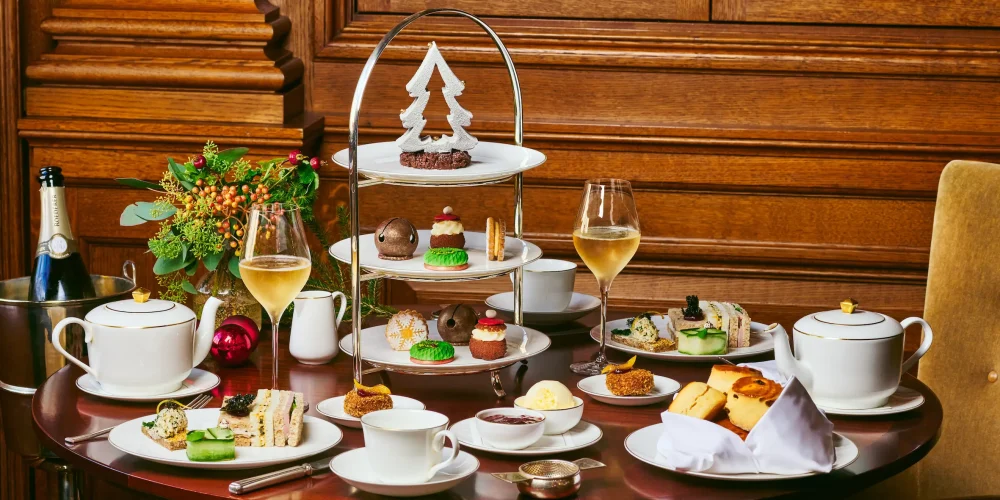
The tradition quickly became a fashionable social event. Hosts showcased fine china, tiered stands, and carefully prepared finger foods. Etiquette mattered, from how tea was poured to how cups were held. Afternoon tea became a symbol of refinement and status, particularly among aristocratic women and their social circles.
High tea developed very differently. It originated among Britain’s working families during the Industrial Revolution. Laborers returned home in the early evening after long shifts. They needed a hearty meal rather than a delicate snack. High tea included strong tea alongside hot dishes like meat, eggs, bread, and vegetables.
Despite the name, high tea was not a grand or luxurious affair. The term referred to the high dining table used for the evening meal, not social rank. This meal provided fuel and comfort after physical work. It served practical needs rather than social performance or display.
Over time, language confusion grew. Many people assumed high tea sounded more formal than afternoon tea. This misunderstanding spread internationally, especially through travel marketing. Some hotels now label afternoon tea experiences as high tea, reinforcing the misconception for global audiences unfamiliar with British history.
Modern Britain still recognizes the difference, though everyday usage varies. Traditional households may refer to dinner as tea, particularly in northern regions. Meanwhile, afternoon tea survives as a celebratory or tourist experience rather than a daily habit for most residents. Context often determines how the word tea gets used.
Tourism plays a major role in reshaping the tradition. Luxury hotels and tearooms market afternoon tea as a cultural highlight. Visitors expect elaborate displays, champagne upgrades, and themed menus. These modern interpretations prioritize experience over historical accuracy, blending old customs with contemporary hospitality trends.
Cultural exports have also influenced global perceptions. Films, television, and social media often romanticize afternoon tea while ignoring high tea entirely. This selective portrayal reinforces the idea that British tea culture centers on elegance, overlooking its working-class roots and practical origins.
Understanding the difference helps travelers appreciate Britain’s social history. Afternoon tea reflects leisure, privilege, and ceremony. High tea reflects labor, family life, and sustenance. Both traditions hold cultural value, but they represent contrasting aspects of British society shaped by class and industrial change.
As British food culture continues to evolve, tea traditions adapt with it. Restaurants experiment with modern menus and global flavors. Yet the historical meanings remain important. Knowing whether you are enjoying afternoon tea or high tea adds depth to the experience beyond the teacup itself.