Key Takeaways:
- New York has recorded its highest-ever flu-related hospitalizations, signaling an unusually severe season.
- Health officials report increased strain on hospitals, especially among older adults and young children.
- Experts urge vaccination and early treatment to reduce severe illness and system pressure.
New York health officials have reported a record-breaking rise in flu-related hospitalizations, marking one of the most severe influenza seasons in recent memory. Data released by New York State Department of Health shows thousands of residents requiring hospital care, raising alarms about healthcare capacity and public preparedness.
The sharp increase reflects a flu season that arrived early and spread rapidly. Doctors across the state describe higher-than-normal patient volumes, with emergency rooms seeing steady inflows of people experiencing serious respiratory symptoms. Officials say this season has already surpassed previous peaks, even before winter reached its coldest weeks.
Hospitals report that older adults account for a large share of admissions. Young children and individuals with chronic conditions also face elevated risks. Physicians note that many hospitalized patients did not receive a flu vaccine, reinforcing long-standing concerns about low vaccination uptake despite public health campaigns.
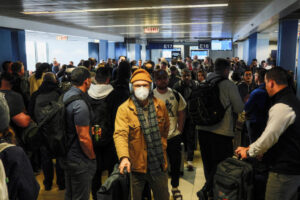
Health experts point to multiple factors fueling the surge. Reduced immunity following several milder flu seasons may have left populations more vulnerable. Increased indoor gatherings and seasonal travel also accelerated transmission. In some cases, delayed care allowed symptoms to worsen, leading to complications that required hospitalization.
The strain on healthcare facilities has grown more pronounced as flu cases overlap with other respiratory illnesses. Hospitals continue managing COVID-19 and RSV patients, creating staffing challenges. Administrators say bed availability remains tight, forcing some facilities to delay non-urgent procedures to prioritize acute respiratory cases.
Public health leaders stress that vaccination remains the most effective tool for preventing severe flu outcomes. They emphasize that it is not too late to get vaccinated, as flu activity often continues for several months. Antiviral medications also play a key role when taken early, reducing illness severity and recovery time.
Officials urge residents to recognize warning signs that require medical attention. Difficulty breathing, persistent fever, chest pain, and dehydration signal potentially serious illness. Prompt treatment can prevent complications, especially for people in high-risk categories, including seniors, pregnant individuals, and those with weakened immune systems.
Schools and workplaces also feel the impact, with higher absenteeism reported statewide. Some districts increased health communications to parents, encouraging sick students to stay home. Employers have reminded workers about sick leave policies to reduce workplace transmission during peak flu weeks.
Health authorities continue monitoring trends closely. They say hospitalization numbers could rise further before stabilizing. Ongoing surveillance helps guide hospital staffing, supply distribution, and public messaging. Officials remain focused on minimizing preventable illness through vaccination, hygiene practices, and timely care.
As the flu season unfolds, experts encourage vigilance without panic. Simple measures like handwashing, mask use during illness, and staying home when sick can reduce spread. Public cooperation, they say, remains essential to easing pressure on hospitals and protecting vulnerable communities.