

Key Points:
- Apple’s live translation feature for AirPods helps travelers understand Japanese and other languages in real time.
- The technology works best in quiet settings but struggles amid background noise or fast speech.
- Real-time translation relies on Apple Intelligence and requires compatible devices and settings.
Apple’s latest AirPods translation feature is reshaping how people communicate on the road, especially in places like Japan where language barriers can challenge visitors. A New York Times travel writer tested the real-time translation in Tokyo and found the technology often translated conversations accurately, drastically improving interactions with locals.
This live translation tool works by linking compatible AirPods models, such as AirPods Pro 2, Pro 3, or AirPods 4 with Active Noise Cancellation, to an iPhone running iOS 26 and Apple Intelligence. The system uses Apple’s Translate app to listen to speech, then instantly render it into the user’s preferred language. Travel companions can speak naturally while the wearer hears the translation directly in their earbuds.
Travelers exploring Tokyo’s cultural sites found that quiet settings delivered the smoothest translations. During a Buddhist temple visit with traditional chanting and ceremony, the feature helped the writer grasp key messages and share them with a guide. Visitors at parks, museums, and small bars also experienced near real-time translation that felt natural and nearly seamless, making interactions more engaging and less awkward.
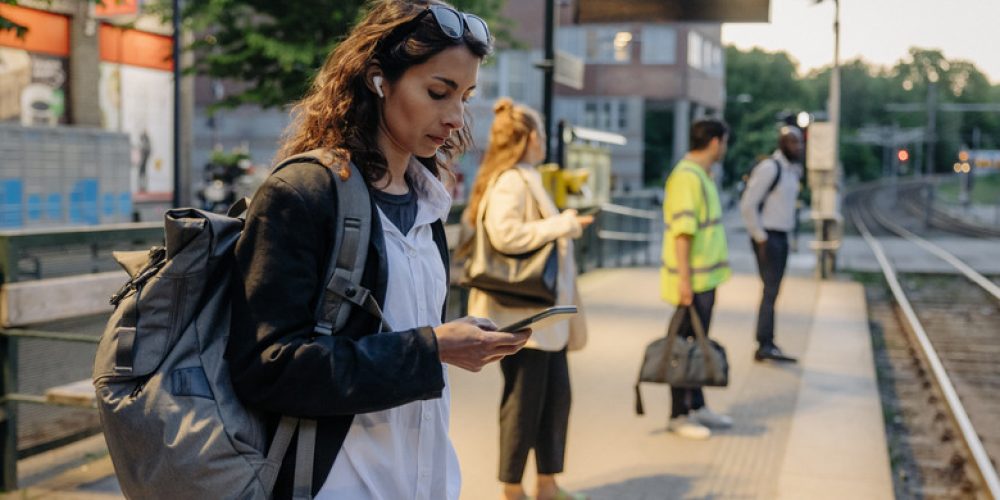
Yet challenges remain. In loud spaces like busy train stations or crowded eateries, the AirPods occasionally struggled to separate speech from ambient noise, leading to errors or delayed translations. Responding also requires effort: often the traveler would speak into the iPhone so the Translate app could display or replay the converted text back to the other person. These extra steps can slow down dynamic conversations and reduce the feature’s smoothness.
Setup requires care. Users must enable Apple Intelligence on their iPhone, have the Translate app installed, and download language files before using the feature. Live translation is most accurate when language packs match the conversation’s languages, otherwise the system may misinterpret phrases. Apple’s support documentation guides travelers through activation steps and suggests moving the iPhone closer to speakers in noisy environments to improve performance.
This technology could alter how tourists experience foreign countries. For many, it eliminates the need for phrasebooks or third-party apps. Listening to local conversations and understanding cultural nuances becomes more accessible, enhancing travel immersion. In contexts such as sushi-making classes or market tours, the translation feature helped bridge gaps that typically require learning basic language skills or hiring interpreters.
Nonetheless, the system is not perfect. Background sounds and fast exchanges remain hurdles. Travelers should temper expectations and prepare backups like speaking slowly, using quiet areas, or reverting to traditional translation apps when needed. As Apple continues to expand language support and improve accuracy, live translation could become indispensable for global travelers seeking authentic connections abroad.









