Key Points:
- Misophonia makes everyday sounds feel threatening, especially during noisy holiday gatherings.
- Research suggests nearly one in five people in the UK experience symptoms of misophonia.
- Psychologists say coping strategies can help reduce distress during festive celebrations.
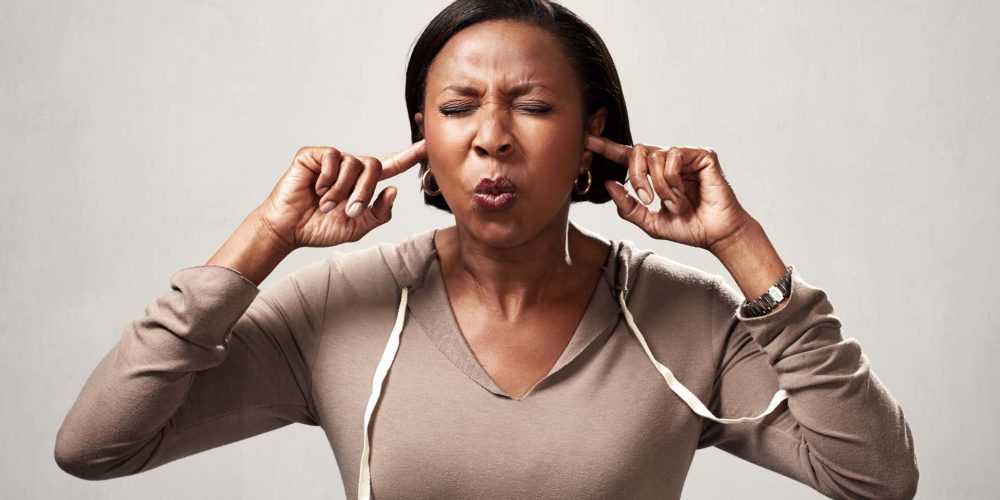
For many people, Christmas brings joy, family gatherings, and shared meals. For others, it brings stress, anxiety, and emotional overload. People living with misophonia say festive sounds can turn celebrations into deeply uncomfortable experiences. Everyday noises like chewing, slurping, or sniffing can trigger intense physical and emotional reactions that feel impossible to control.
Lottie, a 23-year-old who has lived with misophonia since her teens, says Christmas dinners are particularly challenging. Sounds that others barely notice cause her body to tense instantly. She describes feeling panicked, unsafe, and desperate to escape. Earplugs have become essential for her to cope with family gatherings during the holidays.
Misophonia is a condition marked by reduced tolerance to specific sounds, especially those made by other people. These often include eating noises, breathing, throat sounds, or repetitive movements. Although the condition remains poorly understood, recent research suggests it affects a significant portion of the population. Studies indicate nearly one in five people in the UK may experience symptoms.
The festive season amplifies these challenges. Christmas meals, present wrapping, and crowded rooms create a constant stream of triggering sounds. For those affected, this can lead to dread rather than excitement. Many people report feeling anxious days before events, knowing they must endure unavoidable noise in close social settings.
Jenna, a 21-year-old student, says her misophonia becomes more severe around people she loves. Family meals are emotionally important, yet physically draining. She explains that her reactions can include sudden anger, tears, or an overwhelming urge to flee. These responses often feel embarrassing and are easily misunderstood by others.
Both women stress that misophonia reactions are not deliberate or dramatic. The emotional responses feel automatic and uncontrollable. Many sufferers worry about upsetting family members or appearing rude. This internal conflict often leads to isolation, with some choosing to avoid social events altogether to protect their mental wellbeing.
Clinical psychologists say misophonia is linked to how the brain interprets sound as a threat. While the noise itself is harmless, the brain responds as if danger is present. Over time, this reaction strengthens, making specific sounds increasingly distressing. Experts note that understanding this response can help reduce self-blame.
Psychologist Dr Jane Gregory suggests several coping techniques that may ease distress. One approach involves mentally reframing the sound, such as imagining chewing noises as running water. Another method encourages turning irritation into playful mimicry, shifting control back to the listener. Creating compassionate stories about the noise source can also soften emotional reactions.
Experts emphasize that misophonia does not have a quick fix, but support and awareness can make a difference. Open conversations with family members, practical adjustments, and self-compassion can help people navigate the festive season more comfortably. As awareness grows, sufferers hope greater understanding will reduce stigma around this invisible condition.