Key Points:
- Europe will launch five major new cross-border train services in 2026, including high-speed and sleeper routes.
- Governments and operators promote rail as a lower-emission alternative to short-haul flights.
- Improved infrastructure, modern trains, and easier ticketing drive renewed demand for rail travel.
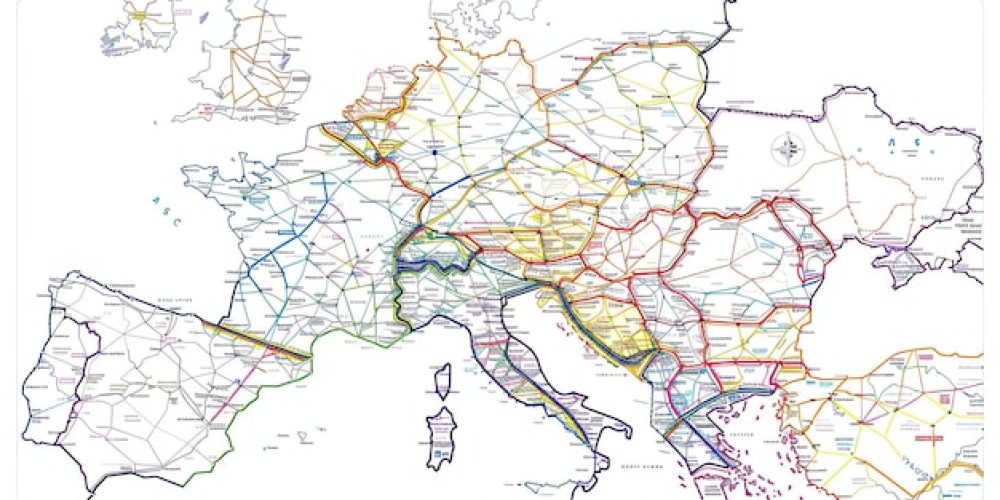
Europe’s long-distance rail travel is entering a new phase in 2026, as several new train services prepare to connect major cities across borders. Rail operators and governments see these routes as a cleaner, more comfortable alternative to short-haul flights. The upcoming launches reflect growing demand for sustainable travel and renewed investment in modern rail infrastructure.
The new services aim to improve links between Western, Central, and Southern Europe. They include both high-speed and overnight sleeper trains designed for long journeys. Operators plan routes that reduce travel times while offering competitive prices. Many routes will directly connect cities that currently lack efficient rail options, especially across national borders.
One of the key developments involves expanded night train services. Sleeper trains are regaining popularity among travelers who prefer overnight journeys to save time and accommodation costs. Modern cabins, private compartments, and improved onboard amenities now attract both tourists and business travelers. Rail companies believe these upgrades will make overnight rail a mainstream choice again.
High-speed daytime services also form a major part of the 2026 rollout. Several new trains will cut hours from popular routes linking capital cities and regional hubs. Faster connections aim to compete directly with air travel for trips under six hours. Improved punctuality and frequent departures remain central selling points.
Environmental concerns play a strong role in the rail expansion. European transport policies continue to prioritize lower-emission travel options. Trains produce significantly fewer emissions than planes on comparable routes. Governments see rail investment as essential to meeting climate targets while supporting economic growth and tourism across regions.
Passenger demand has helped drive this momentum. Rail travel across Europe has rebounded strongly since pandemic disruptions. Travelers increasingly choose trains for comfort, scenic routes, and reduced airport stress. Booking data suggests strong interest in cross-border rail journeys, especially where flights remain expensive or limited.
Infrastructure upgrades support these new routes. Countries have invested heavily in electrified tracks, modern signaling systems, and upgraded stations. These improvements allow trains to run faster and more reliably across borders. Coordination between national rail networks has also improved, easing past challenges around scheduling and ticketing.
Ticket integration remains a focus for operators launching new routes. Many services plan simplified booking systems that allow passengers to purchase international tickets through a single platform. Easier ticketing removes one of the biggest barriers to cross-border rail travel and encourages more travelers to choose trains over flights.
Tourism authorities welcome the rail expansion. New routes will open direct access to destinations that previously required multiple transfers or flights. This connectivity supports regional tourism and spreads visitor traffic beyond overcrowded hubs. Smaller cities expect economic benefits from improved accessibility.
Despite optimism, challenges remain. Rail operators face rising costs, competition from budget airlines, and complex cross-border regulations. However, industry leaders remain confident that passenger demand and public support will sustain long-term growth. The 2026 launches represent another step in Europe’s broader rail renaissance.