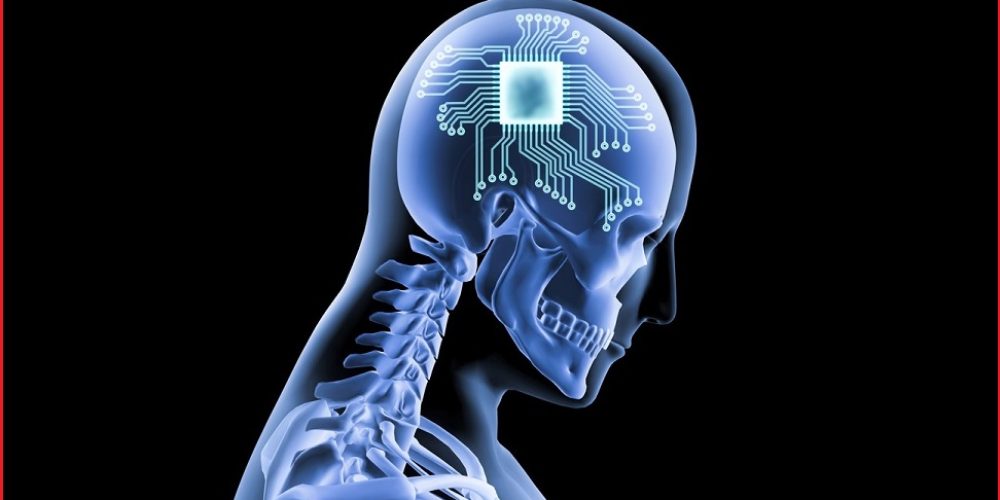
A groundbreaking brain-computer interface (BCI) trial in China has enabled a man who has been paralysed for eight years to control external devices solely with his thoughts just days after surgery. The 28-year-old underwent an implant procedure tied to the nation’s first fully implanted, wireless BCI system. Within five days he could operate a wheelchair, browse the internet, play video games, and manage smart home technology using only his mind.
The trial at Huashan Hospital in Shanghai represents a major leap in neurotechnology. Traditional BCIs often rely on external wiring or bulky hardware, but the new system is fully self-contained. Tiny electrodes are implanted in the brain, while the controller, battery, processor, and antenna are tucked beneath the skin in the chest. A wireless charging dock, similar to a smartphone charger, provides power without external wires.
This advance could have profound implications for people with spinal cord injuries or other mobility-limiting conditions. BCIs work by translating brain signals into commands that machines can interpret. In this case, the system deciphers neural activity linked to intention and converts it into actions on digital and physical devices. Within weeks of the procedure, the patient was able to navigate digital interfaces and control home systems, marking a dramatic shift in capability.
Experts say the design of this implant sets it apart. The device uses 64 electrodes, each no wider than one percent of a human hair, which makes it one of the smallest and least invasive options yet. The shift to a fully implanted, wireless setup reduces infection risk and increases convenience compared with earlier, wired BCIs. Wireless power also means patients do not need to rely on tethered charging systems to recharge the implant.
Professor Mao Ying, president of Huashan Hospital, highlighted the practical benefits of the system. Patients can interact with technology and assistive devices without requiring physical movement, giving them autonomy that was previously unimaginable for many with severe paralysis. Although this is an early trial, the results suggest the technology has strong potential for broader clinical use.
This breakthrough arrives amid a global surge in BCI research. International efforts, including work by companies such as Elon Musk’s Neuralink, are exploring ways to help paralysed individuals interact with computers and prosthetics using brain activity. Neuralink’s devices have enabled trial participants to control robotic arms and other systems in early studies.
While the Chinese trial is notable for its speed of functionality, broader adoption of such technology will depend on long-term safety, durability, and regulatory approval. Many experts caution that while BCIs promise radical improvements in quality of life, they remain in early stages of clinical research. Decoding complex brain signals accurately and consistently over time remains a significant scientific and engineering challenge.
Ethical considerations also come into play. As BCIs move from niche research to real-world applications, questions about privacy, data security, and equitable access become more pressing. Ensuring that neural data remains protected and that patients retain control over their interfaces will be key priorities as the technology develops.
Still, the rapid progress seen in this trial offers hope. For people living with paralysis, the ability to interact with the world through thought alone could revolutionize care and independence. If future trials replicate these results, BCIs may soon transition from experimental tools to life-enhancing technologies for millions worldwide.