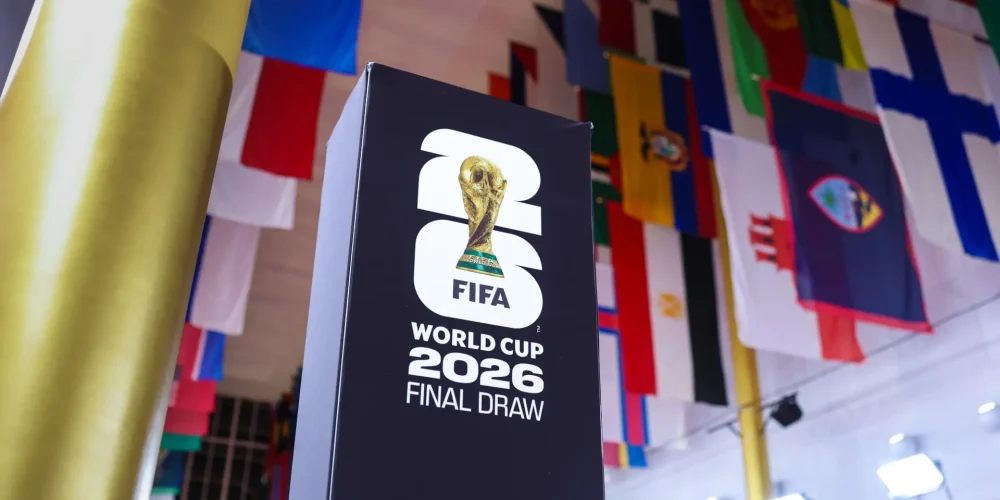
Football fans across the globe are keenly analyzing the groups for the 2026 FIFA World Cup, following the official draw ceremony. This event marks the true beginning of the largest tournament in history. Set to be hosted across the United States, Canada, and Mexico, the competition has undergone significant structural changes. The draw procedures, announced recently, outline how 48 nations will be placed into their opening groups.
FIFA officially abandoned the concept of 16 three-team groups. They instead opted for 12 groups of four teams, designated A through L. This move addresses competitive integrity concerns surrounding the three-team format. The new structure guarantees that all teams play three group matches, maintaining a familiar rhythm for the preliminary round.
The expanded field fundamentally changes the path to the trophy. The knockout stage will now feature 32 teams. The top two sides from each of the 12 groups automatically advance. Critically, the eight best third-placed teams will also proceed to the Round of 32. This introduction of a pre-Round of 16 stage significantly increases the total number of matches, boosting excitement and duration.
Forty-eight qualified and playoff-bound nations were divided into four pots of 12. Placement hinged on the latest FIFA Men’s World Ranking. Pot 1 holds the most weight. It features the nine highest-ranked teams, alongside the three host nations: the United States, Canada, and Mexico. Being a host automatically secured their top seed status. For logistical purposes, the co-hosts were already assigned to specific group positions. Mexico anchors Group A, Canada leads Group B, and the USA headlines Group D.
Draw constraints apply to ensure competitive balance early in the tournament. No group may contain two teams from the same continental confederation, with one major exception. Due to the high number of European qualifiers (16 slots), UEFA is permitted to have two teams in a single group. This constraint prevents geographic clusters in the early stages.
Furthermore, FIFA meticulously structured the bracket to protect the tournament’s biggest stars. The four highest-ranked teams—Spain, Argentina, France, and England—were strategically separated. If these powerhouses all secure first place in their respective groups, they cannot face each other until the semifinals or final. This seeding protection aims to guarantee maximum star power deep into the competition.
While 42 teams have already secured their spots, six places in the tournament remain undecided. These six slots—four from the UEFA playoffs and two from the Inter-Confederation playoffs—were included in the draw as placeholders in Pot 4. The final teams earning these spots will not be confirmed until the playoffs conclude in March 2026. The draw, while complicated, has successfully set the stage for a memorable and expanded World Cup tournament across North America. Fans now eagerly await the match schedule, detailing venues and kick-off times across the 16 host cities.